


Sweet Start: Ladoos
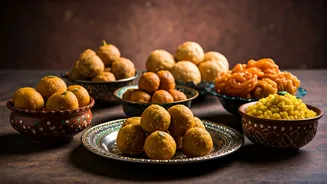
No Makar Sankranti celebration is complete without ladoos. These sweet treats, often made with sesame seeds (til) and jaggery (gur), are a staple. The sesame seeds are believed
to bring warmth to the body during the winter months, while jaggery offers a boost of energy. Different regions have their own versions; for example, til ladoos and gond ke ladoos are very popular. Their round shape signifies wholeness, and eating them is a way of wishing loved ones happiness and prosperity for the new year. Preparing and sharing ladoos is a common practice during the festival, symbolizing the sweetness and joy of Makar Sankranti.
Tilgul's Significance
Tilgul ladoos are the most popular variety, primarily made with sesame seeds and jaggery. This combination is highly symbolic, with sesame representing the warmth of the sun and jaggery symbolizing sweetness and prosperity. The phrase 'tilgul ghya, aani god bola,' which translates to 'accept the sesame seeds and speak sweetly,' perfectly captures the spirit of the festival. It encourages people to let go of any bitterness and start anew. The tradition of exchanging tilgul ladoos among family and friends underscores the importance of fostering good relationships and spreading goodwill. The consumption of these ladoos marks a time of forgiveness and moving forward with positive intentions.
Khichdi's Comfort
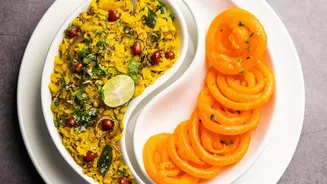
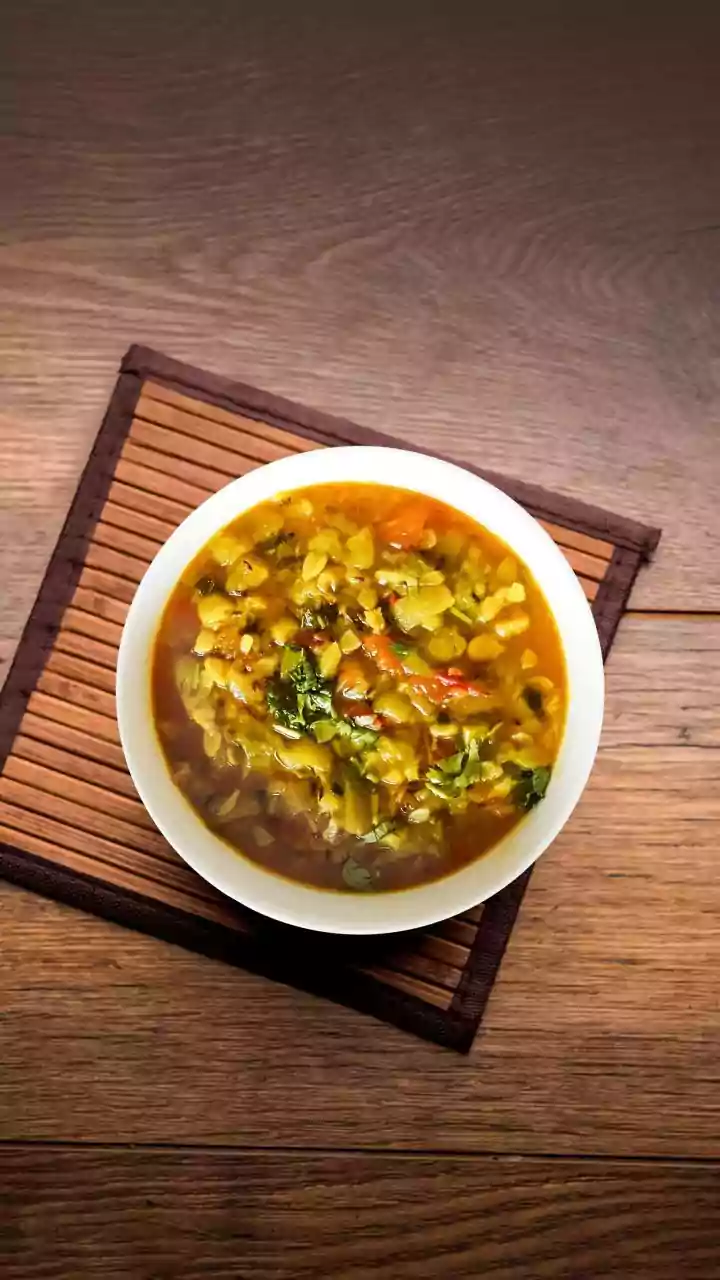
Khichdi is a staple dish during Makar Sankranti, particularly in northern India. This comforting blend of rice and lentils is often cooked with vegetables and spices, offering a nourishing meal. It symbolizes the harvest season and the abundance of grains. Regional variations abound, with some recipes including specific vegetables like cauliflower and peas for added flavor and texture. In some regions, Khichdi is offered to the deity, representing gratitude for the harvest. This simple yet satisfying dish is a cornerstone of the Makar Sankranti feast, bringing warmth and sustenance during the colder weather. Its preparation often involves a family activity, fostering togetherness.
Gujarati Undhiyu
Undhiyu is a traditional Gujarati mixed vegetable dish, prepared using seasonal vegetables. The dish is cooked upside down (hence the name), in earthen pots underground, giving it a unique smoky flavor. It includes a variety of vegetables such as eggplant, potatoes, beans, and green garlic. Undhiyu is a labor-intensive dish, representing the festive spirit of togetherness and community. This dish is usually served with puris (deep-fried bread) and jalebis (sweet, crispy spirals), making it a truly festive meal. The slow cooking process allows the flavors to meld, resulting in a rich and flavorful experience that defines the Makar Sankranti celebration in Gujarat.
Puran Poli Feast
Puran Poli is a sweet flatbread, popular in Maharashtra and other parts of India. It's made with a filling of cooked chana dal (split chickpeas), jaggery, and spices, with a dough made from wheat flour. The golden-brown flatbread, often smeared with ghee (clarified butter), is a celebratory dish. Families come together to prepare and enjoy this delightful treat. The sweet filling is often flavored with cardamom and nutmeg, offering a comforting aroma and taste. Puran Poli is not just a food item; it embodies the spirit of sharing and the joy of togetherness, making it an essential part of the Makar Sankranti menu.
Pongal's Abundance
Pongal is a sweet rice dish that is particularly important in South India, especially in Tamil Nadu, during the festival. It's cooked with rice, lentils, milk, jaggery, and often cashews and raisins. The cooking of Pongal is a festive event, where families gather to cook it in a new pot, allowing the milk to boil over, symbolizing prosperity and abundance. This boiling over is considered a good omen for the year ahead. The first offering of Pongal is traditionally made to the sun god, expressing gratitude for a successful harvest. There are variations to this dish, with savory Pongal also being very popular, with spices and vegetables.
Sweet Chikki Varieties
Chikki is a popular sweet made from jaggery and various nuts like peanuts, sesame seeds, and cashews. It is a crunchy and delicious treat, perfect for the winter season. The use of jaggery and nuts provides warmth and energy, making it an ideal snack during Makar Sankranti. There are many regional variations of chikki, depending on the nuts and seeds available in the area. Chikki is easy to carry, making it a favorite during kite flying sessions, an integral part of the festival. This treat symbolizes the joy of sharing and the festive spirit, enhancing the celebratory mood.
Gajak's Crunchiness
Gajak is a brittle sweet made from sesame seeds or peanuts, combined with jaggery. It is similar to chikki, but has a different texture and preparation. Gajak is known for its crispy and crunchy texture. The sesame seeds and jaggery provide warmth and energy to the body during the winter. Gajak is a popular snack during Makar Sankranti in Northern India, especially in states like Rajasthan and Uttar Pradesh. It's a simple yet satisfying treat, perfect for enjoying while spending time outdoors or during festive gatherings. Its distinctive crunch makes it a delight for all age groups.
Dahi Chura Delight
Dahi Chura is a traditional dish made with flattened rice (chura) and yogurt (dahi), and often seasoned with sugar or jaggery. This simple combination is a staple in states like Bihar and Uttar Pradesh during Makar Sankranti. It's a light and refreshing dish that balances the richness of other festive foods. The yogurt aids in digestion, which is beneficial after indulging in sweets and other heavy meals. Dahi Chura provides a welcome contrast to the other sweet and savory dishes, making it an essential part of the festive spread. It is often garnished with nuts and fruits.
Kheer's Creaminess
Kheer, a creamy rice pudding, is a beloved dessert enjoyed across India during various festivals, including Makar Sankranti. It is typically made with rice, milk, sugar, and flavored with cardamom, nuts, and sometimes saffron. The slow cooking process allows the flavors to meld, creating a rich and indulgent dessert. Kheer is a symbol of prosperity and is often served at the end of a meal to bless the occasion. In different regions, the recipe may vary, but the essence remains the same: a creamy, sweet treat that brings people together. Kheer embodies the spirit of sharing and the sweetness of the celebrations, making it a perfect end to the Makar Sankranti feast.