





A New Era Dawns
On February 20, 2026, India made a landmark declaration in global technology by formally acceding to Pax Silica, an ambitious US-led consortium focused
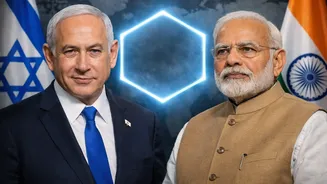
on securing the entire spectrum of the silicon supply chain. This agreement, formalized at the India AI Impact Summit by Ministers Ashwini Vaishnaw and US envoy Sergio Gor, culminates years of dedicated semiconductor development and signals a profound reorientation of India's role in international technological politics. The name 'Pax Silica' itself, blending the Latin for peace with the fundamental element of silicon, underscores the alliance's core objective: to establish stability in the AI-driven world through control over silicon. Launched in December 2025, the coalition was a direct consequence of global disruptions experienced during the COVID-19 pandemic, China's strategic export limitations on crucial materials like gallium and rare earths, and a growing awareness of how technological dependence constitutes a significant national security risk. The founding members represent a formidable assembly of technological prowess. Nations such as the United States, Australia, Japan, South Korea, the United Kingdom, Singapore, Greece, Israel, the Netherlands, Qatar, and the UAE were among the initial signatories. This diverse group brings unique strengths, from Australia's abundant critical minerals and the Netherlands' indispensable advanced lithography tools (ASML), vital for cutting-edge chip production, to South Korea and Japan's expertise in chip fabrication. India's inclusion as the twelfth member introduces crucial elements of scale, a vast pool of skilled talent, and a massive consumer base of 1.4 billion people, whose digital activities generate the data essential for powering artificial intelligence.
Four Pillars of Strength
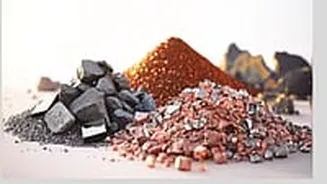
Pax Silica's operational framework is built upon four interconnected pillars designed to create a resilient and diversified global silicon ecosystem. The foundational pillar addresses the critical stages of mining and refining. Presently, China dominates the global refining of essential materials like rare earths, gallium, and germanium – components integral to everything from semiconductors and electric vehicles to advanced defense systems, controlling approximately 90 percent of the world's supply. Pax Silica actively promotes the establishment of joint ventures for mineral extraction and processing outside of China. In line with this, India is actively pursuing mineral acquisition opportunities in Argentina and Chile through its entities KABIL and NCMM, with a clear objective to achieve a minimum of 50 percent sourcing from non-Chinese sources by the year 2030. The second pillar focuses intently on semiconductor fabrication. This involves leveraging cutting-edge lithography equipment from the Netherlands, ultra-pure chemical supplies from Japan, and jointly funded fabrication plants strategically located across allied nations. Furthermore, this pillar emphasizes harmonized export controls to prevent sensitive technologies from falling into the hands of adversaries. For India, this pillar is transformative, granting access to crucial ASML equipment and sophisticated fabrication processes from South Korea, thereby bolstering ongoing projects at Tata's Gujarat facility and Micron's planned packaging plant in Sanand, supported by the significant $10 billion India Semiconductor Mission. The third pillar is dedicated to compute infrastructure, recognizing that the intensive demands of artificial intelligence training necessitate vast amounts of electricity and secure, trusted data center architecture. India is contributing significantly through its IndiaAI Mission, offering sovereign GPU clusters exceeding 34,000 units, complemented by its extensive engineering workforce and the unparalleled datasets derived from over a billion internet users. Finally, the fourth pillar encompasses AI deployment and advanced manufacturing, including the development of frontier AI models, robotics, ethical AI governance frameworks, and collaborative research and development initiatives. India's progress in developing indigenous large language models directly feeds into this pillar, underscoring its aspiration to become a proactive producer of AI capabilities rather than a passive consumer.
Strategic Impact and Hurdles
India's integration into Pax Silica carries profound strategic implications, particularly in reducing its substantial dependency on imported semiconductors, which currently stands at approximately 95 percent. This membership is expected to attract significant foreign direct investment into India's burgeoning fabrication clusters, while simultaneously positioning the nation as a key hub for rare earth processing. The ambitious target of achieving $100 billion in semiconductor output by 2030, previously an isolated national aspiration, now benefits from the collective strength and support of the allied nations within Pax Silica. However, the path forward is not without considerable challenges. China, determined to maintain its current dominance, is unlikely to cede its position easily. Beijing's substantial state subsidies, exceeding $150 billion allocated to domestic industry champions, and its ongoing investments in indigenous lithography technologies, coupled with strategic mining acquisitions across Africa and Latin America, present a formidable competitive landscape. Moreover, Pax Silica currently lacks robust, binding enforcement mechanisms for its members. On the domestic front, India faces the daunting task of scaling its rare earth refining capacity from its current zero percent global share. This endeavor will require substantial capital infusion, extensive development of power infrastructure, and navigating complex environmental approval processes, all of which will require significant time and resources to implement effectively. Despite these obstacles, India has undeniably asserted its presence in the burgeoning silicon age. The signing ceremony marks merely the commencement of a long and intricate journey. The construction of factories, the establishment of refined mineral processing capabilities, the widespread deployment of GPUs, and the shaping of industry standards are all critical next steps. Pax Silica offers India a prestigious seat at the global technology negotiation table. The decisions and actions India takes from this position will undoubtedly shape its technological trajectory for the coming generation.