
USA's National Parks
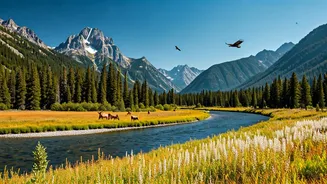
The United States boasts a network of national parks that are globally recognized, with Yellowstone being a prime example. Established in 1872, Yellowstone is the
world’s first national park and is celebrated for its geysers, hot springs, and diverse wildlife. In addition to Yellowstone, the US also has other iconic parks, including the Grand Canyon, Yosemite, and Acadia, each showcasing unique geological formations, varying ecosystems, and an array of recreational activities. These parks offer a range of activities, from hiking and camping to wildlife viewing, attracting millions of visitors yearly and are crucial in conservation efforts. Each park provides opportunities to learn about and appreciate nature and preserve the natural heritage for the future.
Canada's Natural Sanctuaries
Canada features a variety of national parks that highlight its varied landscapes, from the Rocky Mountains to the Atlantic coast. Banff National Park, established in 1885, stands out for its turquoise lakes, mountain vistas, and extensive trails. Jasper National Park is another prominent Canadian park, home to glaciers, wildlife, and stunning waterfalls. These parks provide a sanctuary for both diverse plant and animal life, showcasing Canada's dedication to preserving its natural resources. The emphasis on conservation and sustainable tourism makes Canada's national parks ideal for nature lovers, offering a wealth of outdoor experiences while promoting environmental stewardship.
Australia's Wilderness Areas
Australia is known for its incredible national parks, displaying a wide range of ecosystems, from tropical rainforests to arid deserts. Kakadu National Park in the Northern Territory is famous for its cultural significance, featuring ancient Aboriginal rock art and wetlands that are home to a variety of bird species. The Great Barrier Reef Marine Park, one of the world's largest protected areas, offers an underwater experience with diverse marine life. These parks underscore Australia's commitment to protect its natural resources. Australia's commitment to conservation ensures that its unique biodiversity thrives, inviting visitors to witness and appreciate its natural wonders through responsible tourism.
China's Scenic Parks
China’s national parks offer spectacular landscapes that blend natural beauty with cultural heritage. Zhangjiajie National Forest Park, with its towering sandstone pillars, provides a unique visual experience. Jiuzhaigou Valley, famous for its colorful lakes and waterfalls, is another must-visit. These parks display China's commitment to preserving its natural and cultural heritage. They present visitors with a combination of stunning scenery and insight into the country’s history, promoting environmental awareness and supporting sustainable tourism.
Brazil's Amazonian Reserves
Brazil’s national parks are crucial for protecting the Amazon rainforest and its rich biodiversity. The Amazon National Park, located in the heart of the Amazon, is one of the largest rainforest reserves in the world, home to countless species of plants and animals. Iguazu National Park, shared with Argentina, is known for its magnificent waterfalls and lush rainforests. These parks are vital for the preservation of ecosystems, contributing to global efforts to combat climate change. They provide opportunities for education, research, and responsible eco-tourism, allowing visitors to connect with the Amazon’s beauty while aiding in conservation initiatives.
Tanzania's Wildlife Havens
Tanzania is celebrated for its world-class national parks, particularly those in the Serengeti and Ngorongoro. The Serengeti National Park is famous for the Great Migration, where millions of wildebeest and other animals cross the plains, creating a thrilling spectacle. The Ngorongoro Conservation Area is another highlight, featuring a large volcanic crater with a high concentration of wildlife. These parks play a critical role in conserving African wildlife. They support crucial ecosystems and offer remarkable safari experiences. The parks demonstrate Tanzania's dedication to protecting its natural heritage and preserving the wildlife for future generations.
South Africa's Diverse Parks
South Africa’s national parks offer various landscapes, from coastal regions to mountainous terrains and savannahs. Kruger National Park, one of the largest game reserves in Africa, provides exceptional wildlife viewing. Table Mountain National Park, centered around Cape Town's iconic mountain, offers stunning vistas and diverse flora. These parks highlight the country's dedication to protecting its natural heritage, emphasizing the crucial need to preserve wildlife. The parks provide a balance of conservation efforts and recreational activities, ensuring visitors can experience South Africa's natural beauty responsibly.
Costa Rica's Tropical Treasures
Costa Rica is a leader in environmental conservation, with many national parks protecting its rainforests, volcanoes, and coastlines. Manuel Antonio National Park showcases stunning beaches and diverse wildlife, making it a popular destination. Monteverde Cloud Forest Reserve, renowned for its cloud forests and biodiversity, offers a unique natural experience. These parks are fundamental to preserving Costa Rica’s natural heritage and are central to the country’s eco-tourism strategy. Costa Rica's commitment to conservation and sustainable tourism makes its national parks an excellent example of environmental stewardship and conservation.
New Zealand's Natural Wonders
New Zealand is known for its breathtaking national parks, from rugged mountains to pristine coastlines. Fiordland National Park, known for its deep fjords and lush rainforests, provides unparalleled natural beauty. Tongariro National Park, with its volcanic landscapes and cultural importance, is another standout. These parks underscore New Zealand’s dedication to safeguarding its unique ecosystems. They offer visitors the chance to engage with the environment through hiking, sightseeing, and adventure activities, encouraging an appreciation for nature and fostering a culture of conservation.
India's Diverse Sanctuaries
India boasts a rich array of national parks, encompassing diverse ecosystems ranging from the Himalayas to the tropical rainforests. Jim Corbett National Park, one of the oldest, is famous for tiger conservation. Kaziranga National Park in Assam is notable for its one-horned rhinos. These parks are vital for protecting India's natural resources and biodiversity. India's efforts to balance conservation with eco-tourism show a strong commitment to preserving its natural wonders, ensuring both the protection of wildlife and sustainable tourism for future generations.