




Momos: Delightful Dumplings
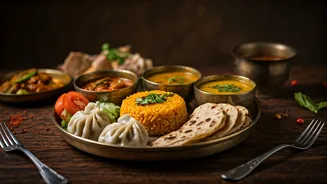
Momos, perhaps the most iconic Nepali dish, are steamed or fried dumplings filled with various savory ingredients. These delightful pockets of flavor typically
contain minced meat (usually chicken, pork, or buffalo), vegetables, and aromatic spices. The dough is thin and delicate, perfectly encasing the flavorful filling. They are often served with a spicy tomato-based chutney, adding a fiery kick that complements the dumplings' savory taste. The popularity of momos stems from their versatility; they can be found everywhere, from street food stalls to upscale restaurants, and their customizable fillings and preparation methods make them universally appealing. They're a staple food, enjoyed by people of all ages and backgrounds, and serve as a culinary ambassador for Nepal.
Dal Bhat: Hearty Staple
Dal Bhat is more than just a dish; it's a way of life in Nepal. It comprises lentil soup (dal), steamed rice (bhat), and a vegetable curry. Often accompanied by a pickle (achar) and sometimes a meat or fish dish, Dal Bhat is a complete and balanced meal, providing essential nutrients. The lentils are cooked to a creamy consistency, typically seasoned with cumin, turmeric, and garlic. The vegetable curry varies seasonally, featuring local produce like potatoes, spinach, or cauliflower. This meal is incredibly filling and is eaten twice a day by many Nepalese people. Dal Bhat's significance goes beyond mere sustenance; it's a symbol of Nepalese hospitality, often offered to guests. Its simplicity and wholesome ingredients have made it a cornerstone of Nepalese cuisine for generations.
Thukpa: Noodle Soup
Thukpa, a hearty noodle soup, is a beloved dish in the mountainous regions of Nepal, particularly during the colder months. It features thick, hand-pulled noodles in a flavorful broth, often made with meat (yak, chicken, or mutton) and vegetables. The broth is typically seasoned with spices like ginger, garlic, and chili, adding warmth and depth to the flavor. Different variations of Thukpa exist, with the ingredients and broth styles varying by region and personal preference. Some versions might include boiled eggs, while others might add dumplings or dried meat. Its warming and nutritious qualities make it the perfect comfort food after a day of hiking or navigating the mountain terrain. It provides essential energy and is a testament to the resourcefulness of Nepalese cuisine.
Sel Roti: Sweet Delight
Sel Roti is a unique Nepali sweet treat, resembling a slightly crispy, circular doughnut. Made from a batter of rice flour, sugar, and various spices, it’s deep-fried to a golden brown color. The texture is a delightful combination of soft inside and slightly crunchy exterior. Sel Roti is often prepared during festivals and celebrations, making it a symbol of joy and festivity. Its sweet taste and satisfying texture make it a popular snack or dessert. The preparation is considered an art, as achieving the perfect ring shape requires practice and skill. It's often enjoyed with tea or savory dishes, offering a balance of flavors and textures in a meal. The tradition of making Sel Roti is passed down through generations, making it an integral part of Nepali culture.
Gundruk: Fermented Greens
Gundruk is a fermented leafy green vegetable, a staple food in Nepal, particularly in the mountainous regions. Traditionally, it is made from the leaves of mustard, radish, or cauliflower plants. These leaves are sun-dried, then crushed and fermented in an airtight container for a few weeks. The fermentation process gives Gundruk a unique, tangy flavor. It is often used in soups and stews, adding a distinct sour note and a boost of probiotics. Its preparation method reflects a resourceful use of local produce, making it an example of sustainable and traditional cooking practices. Gundruk is a nutritious food, packed with vitamins and minerals, and is particularly valued during the winter months. It also has a distinctive flavor profile that is quite addictive.
Chatamari: Nepali Pizza
Chatamari is often called the 'Nepali pizza' because of its similarities to the Italian dish. It is a thin rice flour crepe, topped with various ingredients like minced meat, vegetables, and spices. The base is cooked until crispy, and the toppings are usually cooked beforehand or added before serving. Chatamari offers a fusion of flavors and textures, with the crispy base complementing the savory toppings. It is a popular street food and can be easily customized to suit individual preferences. The dish showcases the creativity of Nepali cooks, who adapt culinary traditions to create innovative and delicious dishes. Chatamari offers a convenient and tasty meal option, perfect for any occasion.
Yomari: Festive Sweet
Yomari is a sweet dumpling, primarily associated with the Newari community of Nepal. It is made from rice flour dough and filled with a sweet mixture of molasses, sesame seeds, and nuts. The dumpling is steamed and has a distinctive triangular shape. Yomari is traditionally prepared during the Yomari Punhi festival, a celebration of the rice harvest. This dish symbolizes prosperity and good fortune. The preparation of Yomari is often a family affair, with each member contributing to the process. The sweetness and chewy texture make Yomari a delightful treat, deeply rooted in cultural traditions. It is a symbol of community, togetherness, and the enduring connection to ancient culinary practices.
Wo: Savory Pancakes
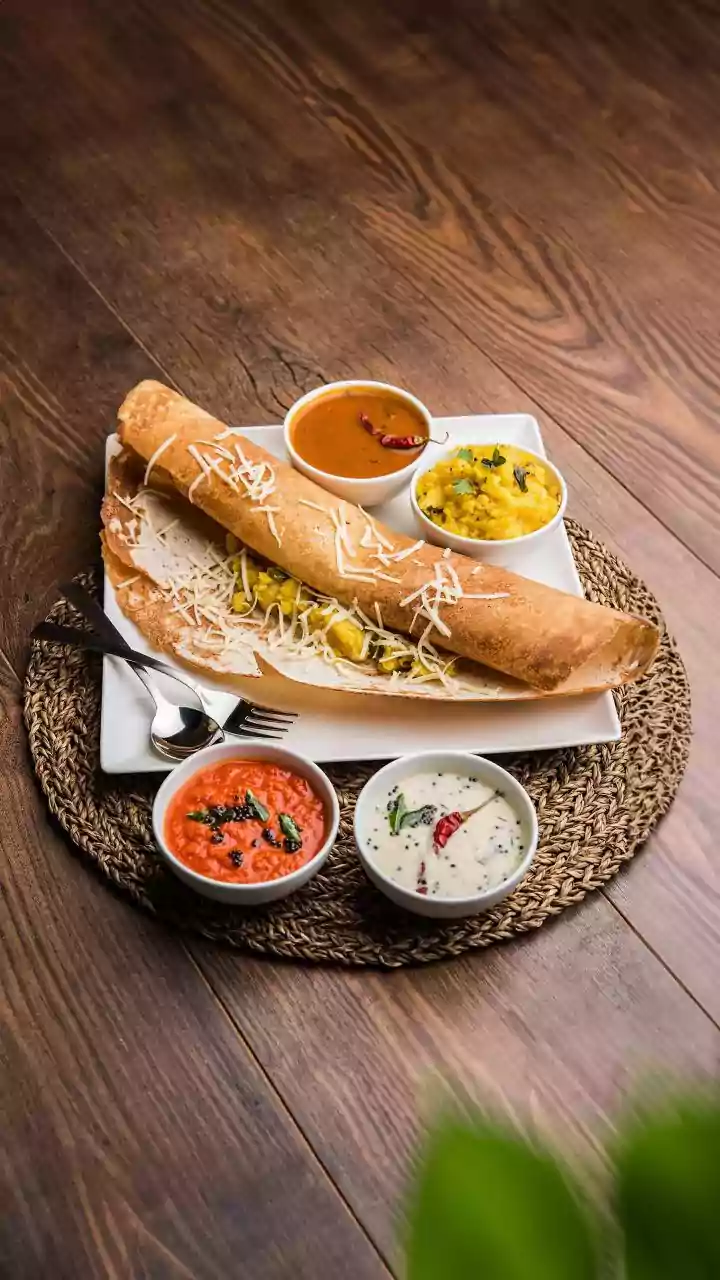
Wo, also known as Bara, are savory pancakes made from a fermented lentil batter, a staple in Newari cuisine. These pancakes are often served plain or topped with egg, meat, or vegetables. The fermentation process gives Wo a slightly tangy flavor and a soft, spongy texture. They are typically cooked on a griddle until golden brown and crispy around the edges. Wo are a versatile dish, enjoyed as a snack, side dish, or even a main course. The simple ingredients combine to create a delicious and satisfying culinary experience. It is a testament to the ingenuity and culinary skills of the Newari people. Its versatility, combined with its unique flavor, has made it a favorite among both locals and visitors.
Kothey: Fried Momos
Kothey are a variation of momos, but instead of being steamed, they are pan-fried or deep-fried. This cooking method gives the dumplings a crispy exterior and a slightly different texture than traditional momos. The filling is similar to that of steamed momos, usually a mix of minced meat, vegetables, and spices. The frying process enhances the flavors of both the filling and the dough. Kothey are a popular street food option, appreciated for their contrasting textures and bold flavors. The act of frying adds a delicious crunch and is a favorite among those who enjoy a more intense flavor. These dumplings are a testament to the adaptability of Nepali cuisine and the way it embraces diverse cooking methods.
Pani Puri: Street Snack
Pani Puri, a popular street food in Nepal, consists of small, crispy, hollow puri (fried bread balls) filled with flavored water (pani), tamarind chutney, chili, chaat masala, and a mixture of mashed potatoes or chickpeas. The flavor combination is a symphony of sweet, spicy, tangy, and savory, offering a burst of sensations with each bite. Eating pani puri is an experience; the eater often has to consume it quickly to avoid the puri becoming soggy. It is a common snack, enjoyed by people of all ages. Pani Puri's widespread availability and addictive flavors make it a must-try for anyone exploring Nepali street food. It’s a delightful embodiment of Nepali culinary innovation and a fun way to enjoy a burst of flavor.