






The Visionary's Genesis
While many associate remote work with the recent global pandemic, its conceptual foundations were laid over five decades ago by Jack Nilles, a former NASA
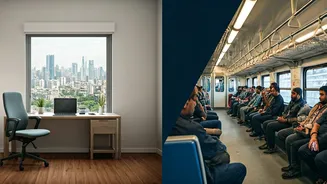
consultant. His innovative thinking emerged from a poignant question posed by an urban planner: given humanity's ability to reach the moon, why couldn't technology be leveraged to alleviate the pervasive issue of traffic congestion? This seemingly simple inquiry sparked a profound realization in Nilles, leading him to envision a future where physical presence at an office was no longer a necessity for productivity. He recognized the existing technological capabilities and saw an opportunity to apply them to solve a pressing societal problem, going beyond mere complaint and developing a tangible solution. This marked the birth of his influential "telecommunications-transportation tradeoff" theory, which aimed to reduce commutes and foster environmental benefits, a vision that now aligns seamlessly with contemporary global efforts to curb carbon emissions and alleviate urban strain.
Early Trials and Tribulations
In 1973, Nilles embarked on a pioneering pilot study with a national insurance company, a bold move considering the technological limitations of the era. At a time when high-speed internet and personal computers were nonexistent, he ingeniously established "local centers." These decentralized hubs were equipped with "minicomputers," allowing employees to work remotely. The outcomes of this experiment were remarkably positive, showcasing significant improvements within months. Employee turnover plummeted to zero, and productivity saw a notable increase of approximately 15%. The company also stood to gain substantial financial advantages, with estimated annual savings ranging from $3 to $4 million. Despite these compelling results, Nilles encountered unexpected opposition. Both corporate leadership and labor unions expressed skepticism. Businesses harbored concerns about their ability to supervise a dispersed workforce they couldn't physically monitor, while unions feared the logistical challenges of organizing employees spread across different locations. This resistance highlighted a significant psychological barrier that Nilles would continue to address throughout his career.
Modern Echoes and Future Glimpses
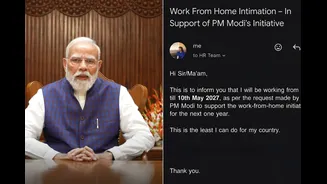
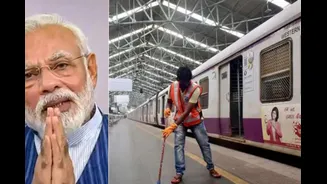
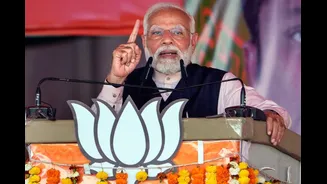
The enduring relevance of Nilles' work is evident in current global trends, including Prime Minister Narendra Modi's recent endorsement of remote work as a strategic tool for economic resilience. Modi's emphasis on remote work as an "economic multiplier" that can conserve foreign exchange by reducing fuel imports and stimulate local economies directly mirrors Nilles' original arguments. Nilles consistently advocated that the true value proposition for businesses lay beyond mere cost savings. He pointed out that teleworkers often demonstrate increased productivity, a broader talent pool becomes accessible for recruitment, and overall operational expenses decrease. He identified the primary obstacle not as a technical deficiency, but as a psychological one – the inherent managerial reluctance to manage individuals they cannot directly observe. This universal resistance, he noted, remained a constant challenge. Nilles himself views the COVID-19 pandemic as a pivotal "magic event" that compelled widespread adoption of remote work, proving the robustness of 2020's technological infrastructure to support a global shift. However, he cautions against a full "Return to Office" mandates, citing his research which consistently indicated that even a single day of remote work per week could enhance productivity by 10% to 20%.