



Kapoor's Cautionary Tale
Celebrated chef Sanjeev Kapoor has recently voiced concerns regarding poha, a popular breakfast staple in India, suggesting it's far from a healthy choice.
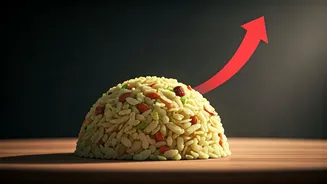
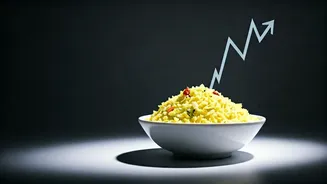
He boldly stated that poha leads to substantial spikes in blood sugar levels, even going as far as to claim that if rice is considered unhealthy, then poha is considerably worse. During an interview on ANI's podcast, Kapoor illustrated his point with a gesture indicating a sharp upward trend, emphasizing the rapid rise in glucose levels after consuming poha. This strong assertion has naturally led many to question the validity of such a definitive statement about a dish so widely consumed and often perceived as a comforting morning meal.
Expert Perspectives on Poha
Dr. Vijay Negalur, Head of Diabetology at KIMS Hospitals, Thane, offers a more nuanced view, labeling Chef Kapoor's statement as an 'oversimplification'. He acknowledges that poha, derived from flattened rice, is indeed a refined carbohydrate and can elevate blood sugar. However, he stresses that the degree of this impact is not solely determined by the ingredient itself. Factors such as the quantity consumed, the method of preparation, and crucially, what other foods are paired with it, play a significant role. Dr. Negalur clarifies that while a large, unadulterated serving of poha might indeed cause a rapid rise in glucose, this effect is manageable. He also points out that comparing it as 'worse' than rice doesn't capture the complete dietary picture, implying that a balanced perspective is needed.
The Science Behind Digestion
The reason behind poha's potential to cause a quicker blood sugar rise lies in its composition and processing. Poha is relatively low in fiber and protein, two key nutrients that play a vital role in slowing down the absorption of glucose into the bloodstream. Due to the flattening process it undergoes, poha becomes more easily digestible, leading to a faster breakdown and subsequently a more rapid increase in blood sugar levels. This characteristic is common among various refined grain-based foods. It's important to note, as Dr. Negalur emphasizes, that the individual response to poha can vary considerably, influenced by personal metabolism and the overall composition of the meal consumed alongside it.
Mindful Consumption Strategies
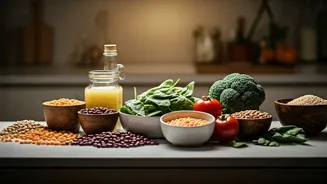
The good news for poha enthusiasts, particularly those managing diabetes, is that complete avoidance isn't necessarily the answer. Dr. Negalur advocates for 'thoughtful' consumption rather than outright elimination. The cornerstone of this approach is portion control; consuming a moderate amount of poha significantly mitigates its impact. Furthermore, eating poha in isolation can exacerbate blood sugar spikes. Therefore, pairing it with protein sources like peanuts, sprouts, or yogurt, and incorporating a variety of fiber-rich vegetables such as peas, carrots, or bell peppers, can create a more balanced meal. Adding healthy fats or other proteins further aids in slowing down digestion, leading to a gentler rise in blood glucose levels. Simple habits like mindful eating and avoiding sugary beverages alongside the meal also contribute positively.
Focusing on Habits, Not Labels
Ultimately, the discussion around poha highlights a broader principle in nutrition: focusing on overall dietary patterns rather than categorizing individual foods as strictly 'good' or 'bad' is a more practical and sustainable approach. Dr. Negalur suggests that balanced meals, an awareness of portion sizes, and consistency in healthy eating habits hold far greater importance for long-term health and stable blood sugar management. Occasional fluctuations in glucose levels are generally less concerning than consistent, unhealthy eating patterns. The ultimate goal should be to cultivate a sustainable way of eating that keeps blood sugar levels steady without imposing overly restrictive dietary limitations, allowing for enjoyment of various foods in moderation.