






Orientation and Planning
The initial step in designing a climate-responsive home involves careful planning and consideration of the building's orientation. Proper orientation is
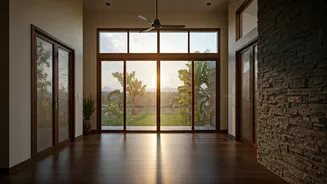
crucial, as it determines how the house interacts with the sun throughout the year. For instance, in India, it's generally beneficial to orient the longer side of the building towards the north-south axis. This strategy reduces direct sunlight exposure during the hottest parts of the day, thus minimizing heat gain in summer. Additionally, the positioning of windows and doors plays a vital role. Strategic placement can facilitate natural ventilation, allowing cooler air to enter and hot air to escape, further contributing to a comfortable indoor climate. This approach is not only cost-effective but also enhances the overall sustainability of the home by reducing the reliance on artificial cooling and heating systems. Proper orientation, therefore, lays the foundation for a thermally efficient and comfortable living space, especially in regions with extreme temperatures.
Insulation Matters Greatly
Insulation is a cornerstone of any strategy aimed at maintaining a comfortable indoor temperature. Effective insulation works by creating a barrier that prevents heat from transferring into your home during summer and prevents heat from escaping during winter. Several materials can be used for insulation, including fiberglass, cellulose, and even sustainable options like recycled cotton or sheep's wool. The choice of material should consider factors such as cost, environmental impact, and effectiveness. Insulation should be applied to the roof, walls, and floors to provide comprehensive protection. Roof insulation is particularly critical in India, where the sun's direct heat can significantly raise indoor temperatures. Similarly, insulating exterior walls will reduce heat penetration from the outside. Proper insulation not only improves thermal comfort but also reduces the load on cooling and heating systems, leading to lower energy bills and a smaller carbon footprint. This makes insulation a worthwhile investment for any homeowner aiming to build an energy-efficient and comfortable home.
Ventilation Is Key
Implementing a natural ventilation system can significantly reduce the need for air conditioning, especially in regions with moderate climates. Cross-ventilation, achieved by positioning windows and doors to allow airflow through the entire house, is a simple yet powerful technique. When windows are open on opposite sides of a room or house, the wind can pass through, creating a cooling effect. Another effective ventilation strategy is the use of strategically placed vents and chimneys. These features allow hot air to rise and escape, drawing in cooler air from lower levels. The use of ceiling fans can also enhance ventilation by circulating air and creating a cooling breeze. In regions with high humidity, ventilation can also help to prevent mold and mildew growth. Designing a home with these ventilation principles in mind is not only cost-effective but also improves indoor air quality and comfort. For best results, homeowners can consider the use of operable windows, which allow them to control the amount of airflow based on weather conditions.
Shading is Important
Protecting your home from direct sunlight is another crucial element in managing indoor temperatures. Using shading devices can significantly reduce heat gain. These devices can include overhangs, awnings, and strategically placed trees. Overhangs, particularly on south-facing windows, can block the high summer sun while allowing the lower winter sun to warm the house. Awnings provide a similar function, adding an aesthetic appeal to your home. Planting deciduous trees around the house can also provide shade during the summer months, with their leaves falling off in winter to allow sunlight through. Another consideration is the use of window films or tinted glass, which can reduce the amount of solar heat entering the home. These shading strategies not only cool the house but also protect furniture and other interior elements from fading due to sun exposure. The use of these methods can significantly reduce reliance on artificial cooling and heating, contributing to both energy savings and increased comfort.
Consider Building Materials
Choosing the right building materials can have a significant impact on your home's thermal performance. Materials with high thermal mass, such as concrete and brick, absorb heat during the day and release it slowly at night, helping to regulate indoor temperatures. For hot climates, light-colored materials that reflect sunlight are preferable over darker ones. When selecting materials, consider their insulation properties, as well as their ability to withstand the local climate conditions. For example, using double-glazed windows can reduce heat transfer. Moreover, the type of roof material matters; materials like terracotta tiles or a green roof can offer better insulation. By carefully considering the properties of different building materials, homeowners can create a home that naturally stays cooler in the summer and warmer in the winter. This contributes to improved energy efficiency and enhanced comfort throughout the year. This approach also makes your home more sustainable and reduces your environmental footprint.