



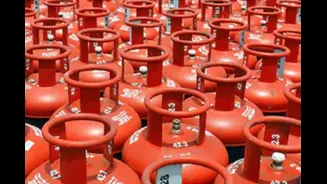
LPG Crisis Hits Railways
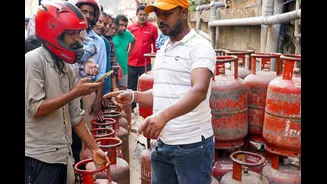
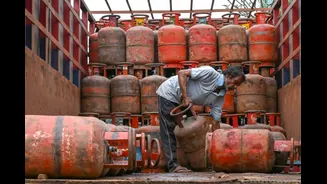
The widespread scarcity of Liquefied Petroleum Gas (LPG) in India, exacerbated by ongoing geopolitical tensions in the Middle East, is now significantly
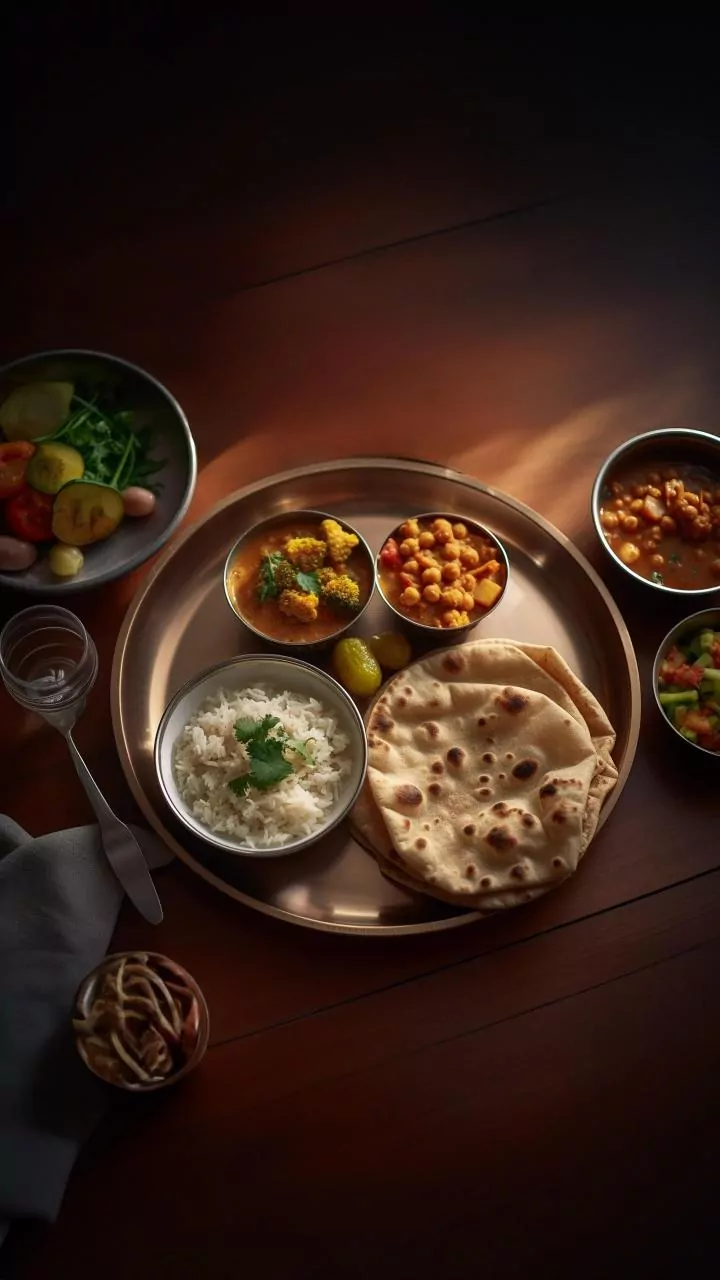
impacting the operations of the Indian Railway Catering and Tourism Corporation (IRCTC). This shortage, which has already forced many hotels, restaurants, and smaller food establishments to curtail their offerings or seek alternative energy sources, is now extending to the vital food services provided on trains. In response to dwindling LPG supplies, the IRCTC is contemplating a temporary halt to the preparation and serving of cooked meals aboard trains. For passengers who have already reserved meals along with their train tickets, this potential suspension means that refunds will likely be processed. Should this situation persist, individuals undertaking extended train journeys might find it necessary to pack their own food provisions.
Adapting to Alternatives
In the face of mounting LPG supply challenges, the IRCTC has issued directives to its food service licensees, urging them to pivot towards alternative cooking technologies at various railway food points. This includes encouraging the adoption of appliances such as microwave ovens and electric induction cooktops wherever feasible. Furthermore, vendors have been instructed to activate pre-established contingency plans designed to maintain the continuity of food services for passengers with minimal disruption. These instructions specifically target food plazas, refreshment rooms, and Jan Aahar outlets situated across the nation's railway stations, a direct consequence of reported cutbacks in Liquefied Natural Gas (LNG) distribution. Railway authorities have indicated that the LPG deficit is already adversely affecting the IRCTC's central kitchens, which are responsible for preparing meals before they are dispatched to trains. While pantry cars primarily serve as distribution and reheating hubs and typically do not store large quantities of LPG cylinders, the disruption in LPG availability for the base kitchens has begun to decelerate the preparation process for meals intended for long-distance travel.
Scale of Operations
The magnitude of the IRCTC's daily food service operation is substantial, with approximately 17 lakh meals being provided across India each day through its extensive network of base kitchens and onboard catering services. The western region of the country accounts for roughly 20 percent of these meals, rendering it particularly susceptible to the repercussions of a prolonged shortage. A senior official within the railway administration has characterized the current situation as serious and anticipates a potential escalation in the coming days. This scarcity emerges amidst the ongoing crisis in West Asia, prompting the government to re-evaluate the priority order for distributing domestically produced natural gas. LPG has now been elevated to the same high priority level as Compressed Natural Gas (CNG) and piped cooking gas. Consequently, establishments that procure commercial LPG at market rates, including many hotels and restaurants, are experiencing an increasingly acute supply shortfall.
Global Energy Routes
As global tensions between the United States and Iran cast a shadow over the crucial oil transit point, the Strait of Hormuz, a limited number of major pipelines in the Gulf region currently offer alternative overland routes for crude oil transportation. One such critical artery is Saudi Arabia's East-West pipeline, extending approximately 746 miles from the country's oil-rich eastern provinces to the Red Sea port of Yanbu. Another significant alternative is the UAE's Habshan-Fujairah pipeline, which transports crude oil originating from Abu Dhabi to Fujairah, located on the Gulf of Oman, thereby bypassing the Strait of Hormuz altogether. Normally, the Strait of Hormuz plays a pivotal role in global energy, facilitating the passage of nearly 20 percent of the world's oil and gas. Any impediment to this vital shipping lane invariably exerts immediate pressure on international energy markets, raising concerns not merely about potential price increases but also about the extent of those hikes and their duration.