
Divergent Signals Emerge
Recent events have highlighted a complex interplay of diplomatic efforts and heightened tensions between Iran and the United States. While Iranian officials,
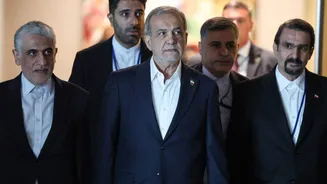
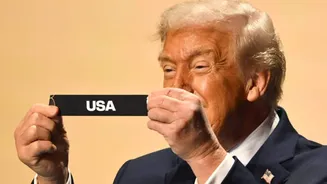
like President Masoud Pezeshkian, expressed their desire for peace and a lack of interest in war, a concurrent US military deployment near Iranian shores stoked fears of potential conflict. This juxtaposition showcases the delicate balance the two nations are navigating. President Pezeshkian’s statement to Egyptian President Abdel Fattah al-Sisi emphasized the mutual harm that would arise from any military conflict, underscoring Iran's stance. This contrasts with actions such as Trump's posting of a video that appeared to show heavy police presence in Tehran, accompanied by a caption suggesting panic within Iranian forces. This contrast in messaging created a challenging environment as both nations communicated through words and actions.
Military Build-up Concerns
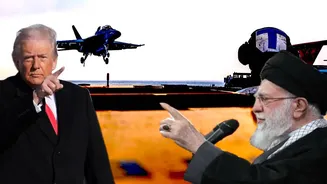
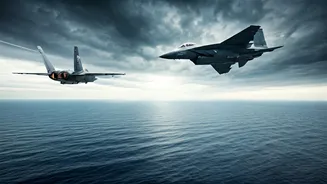
The US military's strategic deployment of a naval battle group, led by the USS Abraham Lincoln, off the coast of Iran exacerbated the already existing tensions. This move was a clear show of force, prompting concerns about a potential direct confrontation. The Iranian response included warnings of retaliatory missile strikes against US bases, ships, and allies, including Israel, should the country be attacked. This exchange heightened the sense of instability and increased the risks of miscalculation or accidental escalation. Iran's Foreign Minister Seyed Abbas Araghchi criticized the US military activities near the Strait of Hormuz, a crucial global energy corridor. Araghchi accused the US military of attempting to dictate how Iran conducts drills in its own territorial waters, arguing that external forces in the Persian Gulf historically have promoted escalation rather than de-escalation.
Negotiations In Sight?
Despite the military posturing and inflammatory rhetoric, there were also indications of potential diplomatic progress. Ali Larijani, head of Iran's Supreme National Security Council, suggested that structural arrangements for negotiations were moving forward. This came amidst reports of talks in Moscow between Larijani and Russian President Vladimir Putin. Trump predicted that Iran would ultimately seek a deal, particularly on its nuclear and missile programs, to avoid American military action. This willingness to engage in dialogue, even while the two countries maintained confrontational actions, suggested a hope for a peaceful resolution. Iran stated it was open to nuclear talks, provided its missile and defense capabilities were not on the agenda. This openness to discussion could pave the way for de-escalation.
Bandar Abbas Incident
Adding to the complex situation, an explosion occurred at a residential building in Bandar Abbas, a southern port city in Iran. Initially, this incident generated speculation about possible links to the broader regional tensions. However, Iranian authorities quickly dismissed these concerns, stating that the blast was caused by a gas leak and was not connected to any attack or sabotage. This swift response served to alleviate some of the immediate anxieties and helped in calming the public. State-run media played a crucial role by ruling out any connection to the heightened regional tensions. The event led to one fatality: a four-year-old girl and 14 individuals were hospitalized. The incident underscored the fragile state of affairs.
Contrasting Perspectives Examined
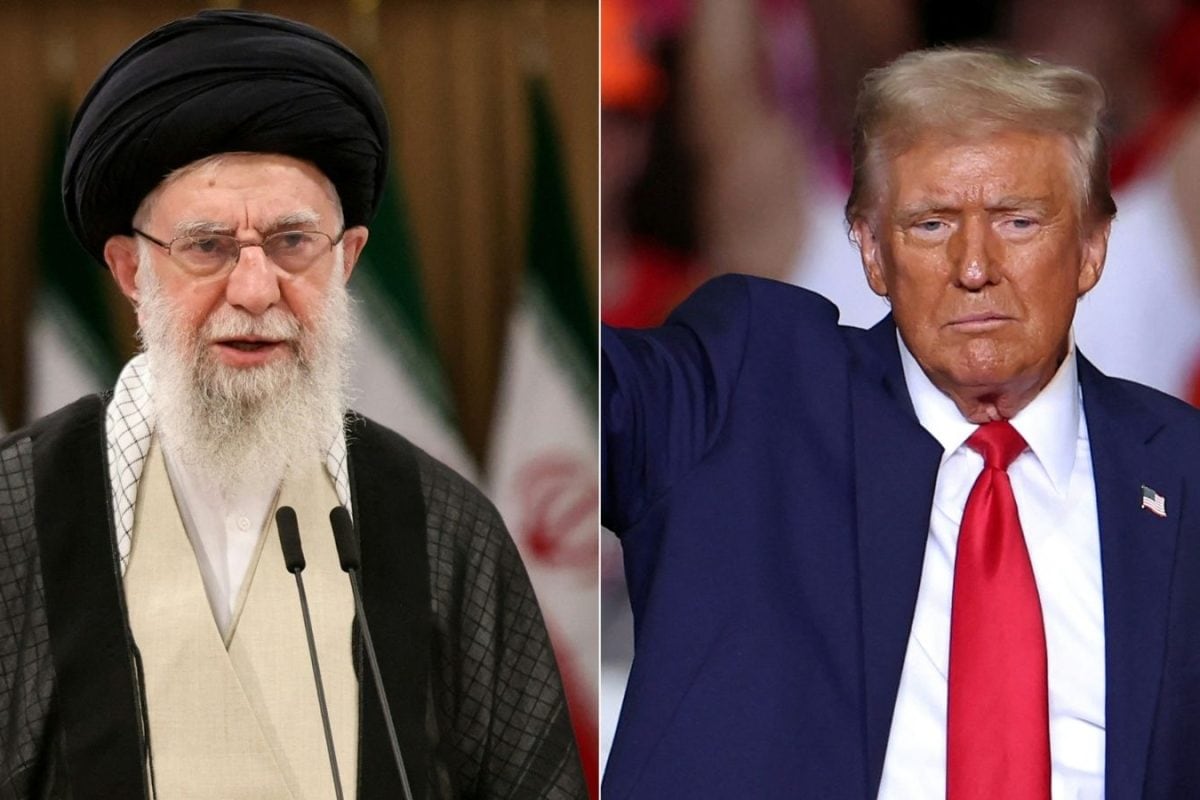
The differing perspectives of both Iran and the United States are critical to understanding the present dynamic. While Trump has expressed his belief that Iran prefers negotiations over conflict, the actions of the US government have often suggested a readiness for a more confrontational approach. Iranian officials, on the other hand, have repeatedly signaled their desire for peace and a preference for resolving issues through dialogue. The conflicting signals highlight the complexities of the situation and the challenge in accurately interpreting the intent of each side. The conflicting narratives highlight the intricate challenge in accurately assessing the intentions of each involved party. The situation underscored the importance of careful communication and diplomacy to prevent misinterpretations and escalation.