








Thigh Size & Health
The popularity of the phrase 'thick thighs save lives' has brought attention to the potential health benefits of having larger thighs. This idea stems
from research suggesting that the amount of muscle and fat distribution in the thighs can be related to overall health and longevity. It's important to recognize that this is not just about aesthetics, but rather the way fat is stored and its impact on the body's metabolism and risk of certain diseases. The size of your thighs might, in some ways, be an indicator of health, especially in how your body handles insulin resistance and metabolic processes. Larger thighs can reflect a healthier distribution of fat and more muscle mass, which could benefit overall health. However, this topic is more nuanced, and health depends on many elements, not just the circumference of one's thighs.
Muscle Mass Matters
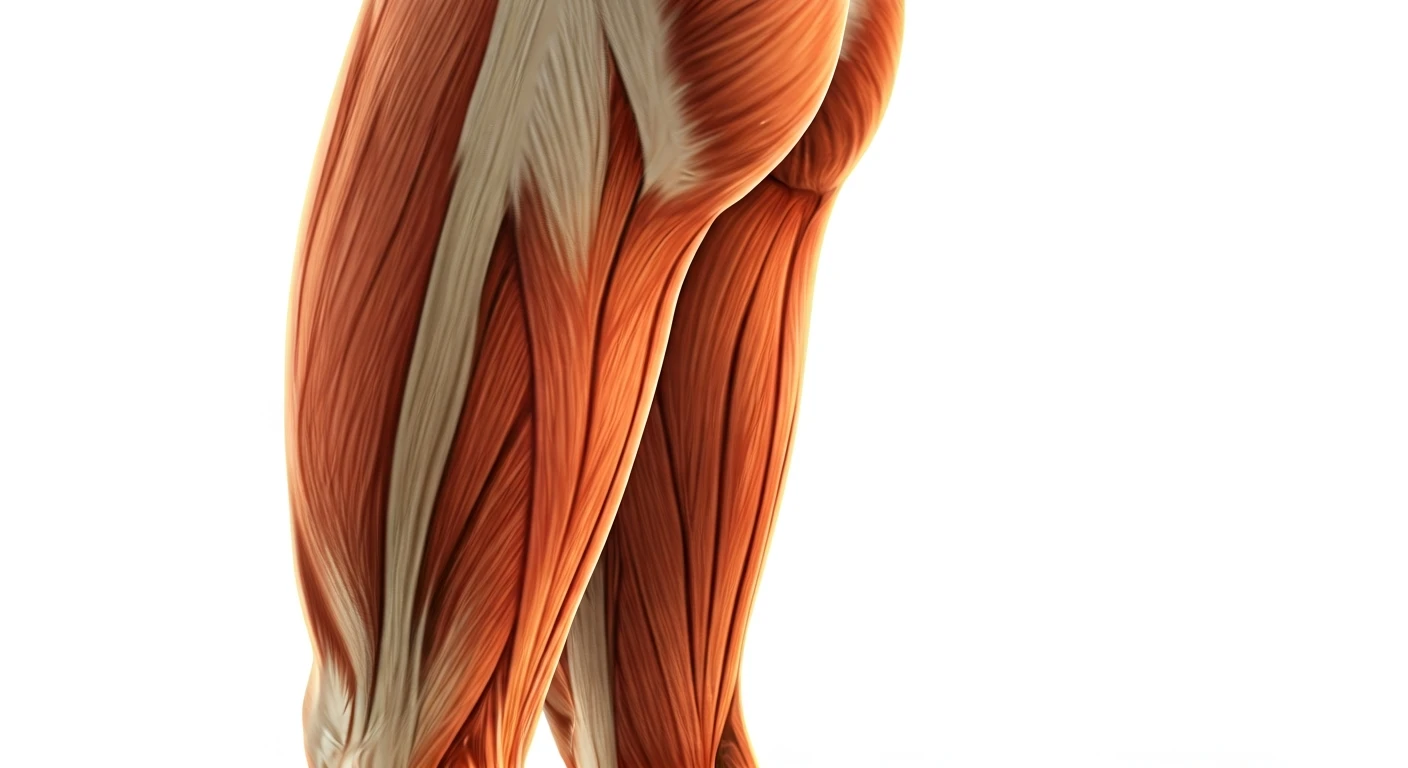
One of the key elements in the equation is muscle mass. Thighs are home to some of the body's largest muscle groups, including the quadriceps, hamstrings, and adductors. More significant muscle mass can lead to better insulin sensitivity, which is vital for regulating blood sugar levels. Good insulin sensitivity helps prevent type 2 diabetes and reduces the risk of cardiovascular disease. Muscle also plays an important part in metabolism, so more muscle can increase the metabolic rate, which can help with weight control. Muscle supports joint stability and overall mobility. Building and maintaining muscle mass in the thighs can contribute to overall strength and function, which supports healthier aging. Regular exercise that focuses on the thigh muscles is an investment in long-term health and well-being.
Fat Distribution Impact
The way fat is distributed in the body also impacts health, including the thigh area. The storage of fat around the thighs and hips, often referred to as a gynoid fat distribution, is linked to a lower risk of metabolic problems than fat stored in the abdominal area (android fat distribution). Studies show that fat stored in the lower body is associated with a lower risk of metabolic syndrome, cardiovascular disease, and type 2 diabetes. Lower-body fat is metabolically active, which means it helps in lipid metabolism and helps to regulate insulin. This distribution of fat is often connected with an increased secretion of adiponectin, a hormone that offers protection against cardiovascular diseases. The location of fat storage can significantly affect our health profile, showing that fat distribution matters more than just the total amount of fat.
Beyond Thigh Size
While thigh size can offer some insights into health, it's essential to consider that overall health is a broad concept. Many factors such as diet, exercise, genetics, and lifestyle habits are important. A balanced diet filled with whole foods, regular physical activity that includes both strength training and cardiovascular exercise, and sufficient sleep are all integral parts of a healthy lifestyle. Moreover, regular check-ups with healthcare professionals are vital for tracking health metrics, catching potential problems early, and getting tailored advice. Focusing on a holistic approach that incorporates these different aspects will offer you the best chance of long-term health. Do not depend only on a single metric like thigh size. Consider multiple lifestyle choices for maximum effect.
Embracing a Healthy Life
Understanding that 'thick thighs save lives' is not a universally accepted statement is crucial. It is better to view it as an interesting perspective on the complexities of health. While having well-developed thigh muscles and a favorable fat distribution can contribute to better health outcomes, they are just a part of a larger, more comprehensive picture. By focusing on a healthy lifestyle that includes proper nutrition, routine exercise, stress management, and regular medical check-ups, one can enhance their overall well-being. Prioritizing these healthy habits will lead to more benefits than concentrating on any single physical attribute. The goal should be to feel great, strong, and capable of living a vibrant life. A healthy lifestyle is a journey, not just a destination.