




Silent Streets Observed
The streets of Iran have remained silent, with no immediate indications of fresh protests, even as a hard-line cleric demanded executions. The absence
of public demonstrations, often a gauge of widespread discontent, highlights a complex situation. Several factors may contribute to this silence. The government's stringent control over public gatherings, coupled with enhanced surveillance, could be playing a key role in preventing the emergence of mass protests. Furthermore, the public might be experiencing protest fatigue, and perhaps considering new strategies. The recent calls for executions, instead of igniting outrage, may have generated a sense of fear, causing people to withdraw from public spaces for their security. The lack of reliable and independent news sources also complicates the picture, as it makes it difficult to ascertain the true pulse of the population and the extent of any simmering discontent.
Clerical Demands Analyzed
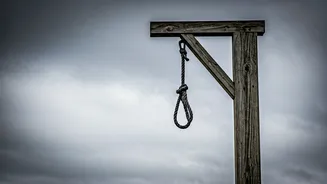
The call for executions from a hard-line cleric serves as a powerful indicator of the regime's stance and intentions. Such pronouncements often reflect a desire to suppress dissent and maintain control. It also aims to project strength and deter any potential challenges to the current leadership. The cleric’s words may resonate with a certain segment of the population that supports strict enforcement of laws and traditional values. These calls also risk further isolating Iran internationally. Human rights groups and international bodies would most likely condemn any executions, potentially resulting in further sanctions and diplomatic isolation. The impact extends beyond the immediate consequences, shaping perceptions and fueling geopolitical tensions. It serves as a reminder of the complex internal dynamics at play and the potential consequences that individuals and the society face.
Political Climate Examined
Understanding the prevailing political climate in Iran is essential for analyzing the absence of new protests. The government employs rigorous measures to monitor and control dissent. This includes the use of security forces to quell any signs of public unrest. The influence of religious institutions on governance cannot be overstated, since they play a key role in shaping the political landscape. The judiciary, under the influence of hard-liners, often issues harsh sentences, creating a climate of fear. This discourages many people from participating in any activities the regime would disapprove of. The impact of international sanctions and economic hardships should also be taken into account. These factors create an environment of tension and uncertainty, with potential economic hardship potentially contributing to public dissatisfaction.
Impact on Society
The calls for executions and the absence of protests create a significant impact on Iranian society. The societal ramifications encompass a wide range of issues. The human rights situation is crucial in this context. Any executions, if carried out, would be condemned internationally, highlighting concerns about justice and fairness. The civil liberties and freedoms are also severely curtailed. The fear of reprisal and the suppression of any form of dissent are also likely to affect the people. Many people may choose to express their opinions only in private, thus avoiding any engagement in public dissent. The economic repercussions, too, should be kept in mind. Continued instability and international sanctions would hamper economic growth, influencing the quality of life.
Future Outlook Considered
Predicting the future course of events in Iran is challenging, but assessing various factors can provide insights. The key considerations include the reaction of the public to the call for executions, the government's response to any potential protests, and the dynamics of international relations. The internal dynamics in Iran might also undergo a shift. Any division among the hardliners or any signs of internal disagreement could change the situation. The role played by the younger population and their access to information is another key factor. Social media and other channels of information have the potential to influence public opinion. The reaction and response from the international community will have a profound effect on how the situation evolves. These will influence whether Iran can achieve stability or if it will be prone to future challenges.