







Incident Unfolds Rapidly
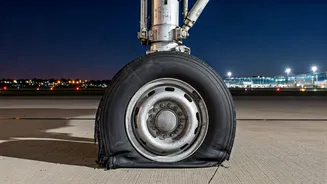
The dramatic near-crash of a United Airlines flight at Orlando Airport was caught on video, capturing the intensity of the situation. The footage showed
the aircraft struggling during its descent. The mechanical issue presented a significant threat to the plane's ability to land safely. Air traffic control personnel and emergency response teams were quickly alerted, ready to respond to a potential crash scenario. This incident underscores the inherent risks involved in air travel, even with the advanced safety measures in place.
Pilot's Quick Thinking
The pilots of the United Airlines flight demonstrated exceptional skill and composure under pressure. Faced with a serious malfunction, they had to make critical decisions in a matter of seconds. The crew's ability to maintain control of the aircraft, despite the mechanical failure, was paramount in preventing a disaster. They skillfully navigated the plane, making the necessary adjustments to counteract the effects of the failure. Their actions reflect the extensive training and experience that pilots undergo to manage such situations and ensure the safety of passengers. The pilots' effective response was crucial in bringing the aircraft to a safe landing, saving the lives of everyone on board.
Safety Systems Activated
Aviation safety systems were activated when the mechanical failure occurred, triggering a series of automated responses to mitigate the risks. These systems, developed over decades, are designed to detect, diagnose, and address various malfunctions. They include automated alerts, guidance systems to assist with the control of the aircraft, and emergency protocols. The effectiveness of these safety systems played a vital role in preventing the situation from escalating. The seamless integration and rapid response of these measures helped to ensure that the plane could be safely landed, highlighting the importance of continuous improvements to aviation technology.
Impact of the Incident
This incident raised significant concerns regarding the possibility of similar failures and triggered immediate investigations by aviation authorities. The investigation was crucial for identifying the cause of the mechanical issue and to prevent future occurrences. Aviation experts thoroughly reviewed the plane's maintenance records, assessed the performance of the aircraft’s systems, and interviewed the flight crew to gather data. Findings from such investigations typically result in recommendations for improvements to aircraft maintenance procedures, pilot training, and the design of safety systems. The goal is to make air travel safer and to prevent similar incidents in the future. The incident serves as a stark reminder of the need for constant vigilance and proactive measures within the aviation industry.
Lessons Learned & Preparedness
The near-crash offered valuable lessons regarding the resilience of aviation safety protocols and the importance of thorough preparedness. It underlined the need for consistent maintenance, rigorous pilot training, and advanced safety technologies. The incident reinforced the significance of the collaborative efforts of pilots, air traffic controllers, and maintenance teams. Aviation professionals continuously learn from incidents like this to enhance safety standards and to refine existing emergency response plans. The preparedness of all involved was critical to averting a disaster. The incident serves as a reminder that vigilance, diligence, and constant improvements are essential elements in maintaining a safe air travel environment.