







The Devastating Incident Unfolds
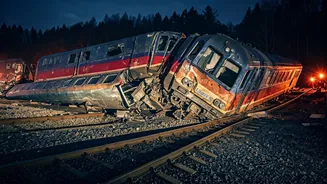
The tranquility of a normal day in Spain was shattered by a horrific train accident in the southern part of the country. Reports indicated that a high-speed
train derailed and was then struck by another train. This tragic event resulted in a significant loss of life, with authorities confirming 39 fatalities. Additionally, over 120 individuals sustained injuries, underscoring the severity of the collision. Prime Minister Pedro Sanchez expressed the nation's profound sorrow through a message on X, highlighting the gravity of the situation. The rail operator, Iryo, reported that approximately 300 people were aboard its Malaga-Madrid service, further emphasizing the scale of the tragedy. Survivor accounts, like that of Lucas Meriako, painted a grim picture, likening the scene to a horror movie. Another passenger, identified as Montse, described the sudden halt and darkness that followed the initial impact, emphasizing the abruptness and chaos of the incident. The investigation to determine the exact causes of the derailment and collision has begun.
Europe's Largest Network Affected
Spain is home to Europe's most extensive high-speed rail network. This network boasts over 3,000 kilometers (1,800 miles) of dedicated tracks, which play a crucial role in connecting significant cities across the country. Key urban centers like Madrid, Barcelona, Seville, Valencia, and Malaga are all linked by this system. The incident has raised questions regarding the safety and operational protocols within this expansive network. The collision, deemed 'extremely strange' by officials, adds to the complexity of the ongoing investigation. The focus now is on understanding the technical and logistical factors that may have contributed to this disastrous event, and also if existing safety regulations were properly enforced. Authorities are working tirelessly to gather evidence, analyze data, and reconstruct the sequence of events to prevent similar tragedies in the future. The incident serves as a stark reminder of the importance of rigorous safety standards in high-speed rail operations.
Aftermath and Emotional Impact
The aftermath of the train crash saw an outpouring of grief and shock across Spain. The nation collectively mourned the loss of life, with families and friends struggling to come to terms with the devastating reality. The immediate response included extensive rescue efforts to assist the injured, as well as providing support to the survivors and the families of those who perished. This tragedy has profoundly affected the emotional landscape of the country, highlighting the human cost of the incident. The descriptions from survivors and the official statements by authorities are a testament to the magnitude of the tragedy. The event has also led to calls for thorough investigations and reviews of safety measures, as well as calls for improved emergency response protocols. The long-term impacts, both emotionally and logistically, will remain significant for the affected communities and the nation as a whole, underscoring the urgent need for comprehensive support and recovery strategies.