
Geopolitical Significance Explained
Greenland's strategic importance stems from its location, serving as a critical point in the Arctic. The island offers significant advantages for military
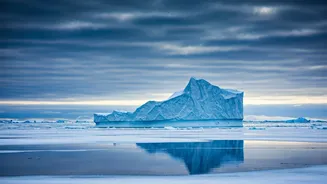
presence and control of vital shipping lanes. Its vast natural resources, including minerals, further increase its value to global powers. The Arctic region is becoming increasingly accessible due to climate change, leading to intensified competition for influence and resources. Greenland's proximity to North America and Europe adds to its strategic value, making it a crucial element in geopolitical calculations. Control over Greenland provides leverage in international relations, influencing trade, security, and resource distribution. Understanding Greenland's strategic role requires considering its geographic location, natural resources, and the broader context of Arctic geopolitics, particularly regarding its influence on global trade and defense strategies. As the Arctic ice melts, Greenland becomes even more important.
Historical Context & Lessons
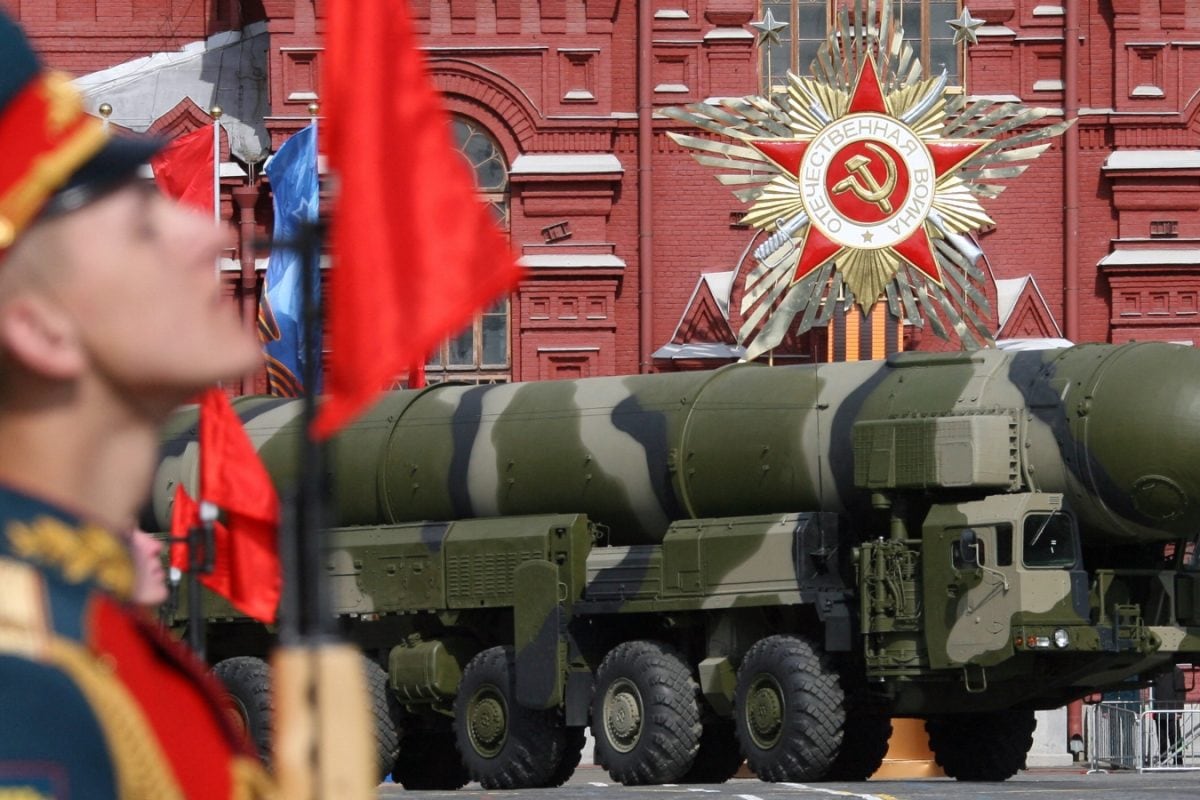
Historical events offer valuable lessons for assessing contemporary interests in Greenland. The Soviet Union's strategic aims and geopolitical moves in the Arctic and surrounding areas highlight past ambitions. Examining these actions provides insights into potential strategies. The Cold War era showed the strategic value of Greenland as a site for military installations and early warning systems. This historical experience illustrates the long-standing interest of great powers in controlling the region. Drawing parallels between past and present scenarios is crucial for anticipating possible outcomes. The historical context helps evaluate modern actions and understand the motivations behind them. Analyzing past decisions and their consequences enhances our comprehension of current strategies and potential trajectories. The past provides a framework for analyzing current events and their possible global impacts. Examining such events reveals enduring patterns and influences current geopolitics, informing strategic thinking and policymaking.
Potential Consequences Explored
External involvement in Greenland presents several potential consequences, some of which are positive, while others are less so. Increased foreign influence could lead to economic development and infrastructure investment, fostering growth in Greenland. However, it also raises concerns about environmental exploitation and the potential for resource depletion, impacting the local population and ecosystems. Geopolitical tensions could rise as various nations compete for influence. This could also alter the strategic balance in the Arctic. Such rivalry might lead to conflicts, harming global relations and security. The implications also involve sovereignty, cultural preservation, and the rights of Greenland's indigenous population. Foreign involvement can disrupt existing social structures and introduce external values and norms. Navigating these complexities necessitates a balanced strategy that protects Greenland's interests while fostering mutually beneficial international relations. Recognizing these intertwined factors is essential for creating a sustainable and equitable future for Greenland.
Strategic Interests Analyzed
Multiple nations have strategic interests in Greenland, driven by factors such as resources, defense, and influence. The United States, for example, has a long-standing strategic interest due to its proximity to the island and its importance for military installations, and also maintains a presence there. The country values Greenland's role in the defense of North America. European nations, particularly those bordering the Arctic, show interest in Greenland’s economic and political stability. They also want to ensure the protection of regional interests. China's growing interest is tied to Greenland's resources, including rare earth minerals and potential trade routes. Its involvement may impact the balance of power. The interests of other countries, along with those of Greenland itself, are interconnected and can determine the future of the region. Examining these interests is vital for understanding the actions of the actors and anticipating the geopolitical landscape. Balancing these interests requires skillful diplomacy and the ability to manage competing demands.
Trump's Greenland Gambit
The period when the Trump administration considered acquiring Greenland brought the island into the spotlight. Trump's proposal, while ultimately unrealized, sparked a debate on the island's strategic worth and international relations. This initiative reflected a desire to expand U.S. influence in the Arctic and counterbalance competition from other powers. The idea also highlighted the economic allure of Greenland's resources. Although the initiative failed, it showed the evolving geopolitical strategy in the region. Reactions to Trump's proposal showcased the importance of Greenland and the sensitivities surrounding it. The episode gave an insight into the complexities of international relations and the need for diplomatic tact. The situation also illuminated the significance of historical ties and cultural values in international diplomacy. It underscored the strategic significance of Greenland within global geopolitical calculations and highlighted the need for strategic consideration.