
About Aloo Sabji
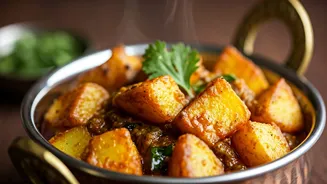
Aloo Sabji, a beloved dish in India, is a flavorful potato curry frequently found at Halwai shops and street food stalls. It's known for its rich taste
and simple preparation. The dish typically features potatoes cooked in a spiced tomato-based gravy, often with onions, ginger, garlic, and a blend of aromatic spices. The specific blend of spices used contributes significantly to the unique flavor profile, with each Halwai often having their secret recipe. The balance of flavors—spicy, tangy, and slightly sweet—is what makes this dish so appealing. Aloo Sabji is versatile and can be paired with various accompaniments, such as puri, paratha, or even rice, making it a staple in Indian cuisine. Whether enjoyed for breakfast, lunch, or dinner, it's a comforting and satisfying meal.
Ingredients Gathering
To begin your culinary journey into Halwai-style Aloo Sabji, you'll need to gather a selection of readily available ingredients. Firstly, procure approximately 500 grams of potatoes, ideally starchy varieties that hold their shape well after cooking. Next, you'll require onions, typically around 2 medium-sized ones, finely chopped for a good base. Fresh tomatoes, roughly 2-3 medium, are crucial for the gravy's tangy base. For the aromatics, you'll need ginger and garlic – a small piece of ginger (about an inch) and 4-5 cloves of garlic, both finely minced. Spices are the heart of the dish: you'll need turmeric powder (1 teaspoon), red chili powder (to taste), coriander powder (1 tablespoon), garam masala (1/2 teaspoon), and optionally, a pinch of asafoetida (hing). Additionally, you'll need cooking oil (about 2-3 tablespoons), fresh coriander leaves for garnish, and salt to taste. Ensure that all your ingredients are fresh and of good quality for the best results.
Preparing Potatoes
The preparation of the potatoes is a crucial step in achieving the desired texture and flavor. Begin by thoroughly washing the potatoes under cold water to remove any dirt or debris. Next, peel the potatoes, either with a vegetable peeler or a knife, removing all the skin. Once peeled, you have two options for cutting the potatoes: You can either dice them into small, uniform cubes (approximately 1-inch size) or cut them into slightly larger chunks, depending on your preference. If you're using large potatoes, it's helpful to cut them into similar sizes so they cook evenly. After cutting the potatoes, it's essential to keep them submerged in cold water until you're ready to use them. This prevents them from browning. When you're ready to cook, drain the water thoroughly before adding the potatoes to the pan. If you prefer a smoother gravy, you can also boil the potatoes until slightly softened before adding them to the masala.
Crafting the Masala
Creating the masala is where the magic of Aloo Sabji happens. Start by heating the cooking oil in a pan over medium heat. Once the oil is hot, add the chopped onions and sauté until they turn golden brown. Stir frequently to ensure even cooking and prevent burning. Next, add the minced ginger and garlic, sautéing for about a minute until their raw aroma dissipates. Then, add the chopped tomatoes and cook them until they soften and blend with the onions and ginger-garlic mixture. This can take about 5-7 minutes. After the tomatoes have softened, add the turmeric powder, red chili powder, and coriander powder, followed by a pinch of asafoetida (hing), if using. Sauté for a minute or two until the spices release their fragrance. At this stage, be careful not to burn the spices; you might need to reduce the heat slightly. This base of fried spices is the foundation for the dish’s distinctive taste.
Combining & Simmering
After crafting the masala, it's time to bring everything together. Add the diced or cubed potatoes to the spiced mixture. Mix gently, ensuring the potatoes are coated evenly with the masala. Add about 1-2 cups of water, or enough to partially submerge the potatoes. The amount of water determines the consistency of the gravy, so adjust it based on your preference. Season with salt to taste. Bring the mixture to a boil, then reduce the heat to low, cover the pan, and let it simmer. Allow the potatoes to cook until they are tender, which usually takes around 15-20 minutes, or until you can easily pierce them with a fork. Stir the sabji occasionally to prevent sticking and ensure even cooking. If the gravy becomes too thick, you can add a little more water. Once the potatoes are cooked, gently mash a few pieces to thicken the gravy slightly.
Finishing Touches
Once the potatoes are tender and the gravy has reached your preferred consistency, it’s time to add the finishing touches. Sprinkle in the garam masala and stir to incorporate it evenly throughout the sabji. Garam masala provides a final layer of warmth and complexity to the flavor. Gently stir the sabji for a few seconds to let the garam masala meld with the other ingredients. Remove the pan from the heat. Garnish generously with freshly chopped coriander leaves. The fresh coriander adds a vibrant color and fresh herbal aroma that enhances the overall appeal of the dish. Before serving, give the sabji a final taste and adjust the seasoning if necessary. You can add more salt or chili powder according to your preferences. Remember that Halwai-style Aloo Sabji is often served hot, so consider keeping it warm until ready to serve.
Serving Suggestions
Aloo Sabji's versatility makes it a delightful pairing with various accompaniments, enhancing its appeal. One of the most classic pairings is with puri, the deep-fried, puffed-up bread that complements the spicy gravy perfectly. Alternatively, you can serve it with paratha, the flaky, layered flatbread, creating a satisfying and flavorful meal. For those who prefer a simpler approach, Aloo Sabji pairs excellently with plain rice or jeera rice. You can also offer a side of raita (yogurt dip) to balance the spices. If you want a complete Indian thali experience, serve Aloo Sabji with other side dishes such as dal, vegetable curries, and papad. A squeeze of lemon juice adds a refreshing zest and balances the richness of the sabji. Consider offering a pickle or chutney to enhance the overall flavor profile and add an extra layer of complexity.