






Planning Your Adventure
Before setting off on any international adventure, meticulous planning forms the cornerstone of a successful trip. This phase involves several crucial
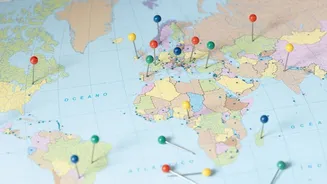
aspects, beginning with selecting the destination that aligns with your interests and budget. It is important to explore various options, considering factors such as visa requirements, the best time to visit, and the local customs. After deciding on a location, it’s necessary to create a detailed itinerary, which should include all potential activities, accommodation details, and modes of transportation. Moreover, it's wise to book flights and accommodations well in advance to secure the best deals and ensure availability, especially when traveling during peak seasons. Furthermore, the selection of travel insurance is crucial to protect against unexpected circumstances, such as medical emergencies or trip cancellations. Financial preparation also warrants significant consideration, encompassing the budgeting process, currency exchange, and the notification of your bank of your travel plans to avoid any issues with your cards while abroad. Finally, it’s advisable to research local laws and regulations, health advisories, and cultural norms to ensure that you are prepared and respectful of your destination’s culture.
Embracing Cultural Differences
One of the most enriching aspects of international travel is the opportunity to immerse oneself in different cultures. This experience allows travelers to step outside of their comfort zones and develop a deeper appreciation for the world's diversity. It is very important to approach each new culture with an open mind and a willingness to learn. This involves understanding and respecting local customs, traditions, and etiquette. Simple gestures such as learning basic phrases in the local language can significantly enhance interactions with residents and demonstrate a genuine interest in their culture. Tasting local cuisine provides another pathway to cultural immersion. Trying regional dishes not only provides a gastronomic experience but also offers insights into the history and traditions of the region. Being respectful of local values, religious practices, and social norms also contributes to a positive travel experience. In addition, recognizing and being mindful of cultural differences, such as varying communication styles and societal expectations, is essential for fostering positive relationships and preventing misunderstandings. This respectful approach will not only enrich one’s journey but also promote goodwill and understanding across cultures.
Packing Essentials for Travel
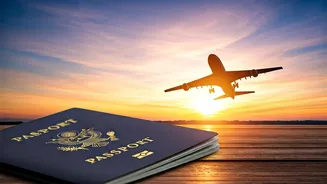
Packing smartly is critical to ensuring a comfortable and hassle-free travel experience. The core of your luggage should include versatile clothing items appropriate for various weather conditions and activities. Consider packing layers that can be combined or removed as necessary, and opt for fabrics that are lightweight, quick-drying, and wrinkle-resistant. The inclusion of suitable footwear is also very important, such as comfortable walking shoes, sandals, and perhaps a more formal pair for special occasions. It's essential to pack essential toiletries in travel-sized containers to comply with airline regulations. It’s also wise to bring any personal medications, accompanied by a prescription from your doctor. Electronic gadgets like a smartphone, a camera, and a portable charger are very useful in contemporary travel. Do not forget universal adapters to ensure that your devices can be charged anywhere. Beyond practical items, you may consider bringing travel documents, such as your passport, visa, flight confirmations, and travel insurance details. It's also sensible to have copies of these documents in a separate location, and digital copies stored securely for added safety. By packing with foresight and considering your specific destination and needs, you'll ensure that you're well-equipped for your travels, making the experience more enjoyable and less stressful.
Staying Safe Abroad
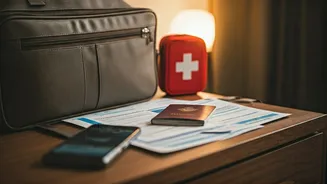
Staying safe while traveling internationally involves a combination of preparation and awareness. Before your trip, you should research your destination's safety guidelines and potential risks, such as political instability, health hazards, and local crime rates. Ensure you have the right immunizations and vaccinations recommended for your destination, and carry a basic first-aid kit with any necessary medications. While abroad, remain mindful of your surroundings. Keep valuables secure and be vigilant about petty theft, especially in crowded areas. Avoid walking alone at night in unfamiliar areas and let someone know your itinerary. Ensure you have the local emergency contact numbers at your disposal, and be aware of your embassy or consulate's location in case you need assistance. Furthermore, you should also take care when consuming food and water, opting for reputable establishments and bottled water to avoid any health issues. When using public transportation, choose established, reliable services, and always be aware of your surroundings. By practicing caution and remaining informed, you can minimize your risks and have a safer, more enjoyable travel experience.
Navigating Finances Abroad
Managing finances effectively during international travel can prevent unnecessary complications and enhance your experience. Prior to your trip, notify your bank and credit card companies about your travel plans to prevent any potential disruptions. Assess and understand the fees associated with foreign transactions, as you might want to consider cards with lower or no transaction fees. Weigh the benefits of carrying a mix of payment methods, which could include credit cards, debit cards, and some local currency for small expenses or places where cards are not accepted. When exchanging currency, it's wise to compare exchange rates at several locations, such as banks, currency exchange services, or ATMs. ATMs often provide the most competitive rates. It is also good practice to budget meticulously for each day or portion of your trip, taking into account expenses such as accommodation, food, activities, and transportation. You could also keep a record of your expenses to track where your money is going and to adjust your spending as needed. Be cautious when using ATMs, especially in areas that seem unsafe. Always protect your PIN and be aware of your surroundings. Remaining conscious of your finances allows for a smooth, enjoyable travel experience.