




Origins in Warfare
The trench coat's story begins not on a glamorous runway, but on the battlefields. Its roots can be traced back to the late 19th century, predating World
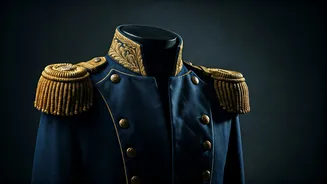
War I. Early versions were designed for military officers, offering protection from the elements. These coats were made of durable, water-repellent materials like gabardine, a tightly woven fabric that could withstand rain and wind. The design prioritized functionality, with features like deep pockets for maps and equipment, a belted waist for a secure fit, and shoulder epaulettes for rank insignia. These early trench coats were a far cry from the sleek, stylish garments we know today, but they laid the groundwork for a design that would endure and evolve.
World War I Adaptation
World War I marked a crucial turning point for the trench coat. The harsh conditions of trench warfare – the mud, rain, and cold – made the need for practical, weather-resistant clothing paramount. The trench coat proved its worth. British and French soldiers, in particular, adopted it widely. The design was further refined to suit the demands of trench life. The name 'trench coat' itself reflects this association with the war. Features like the storm flaps, designed to deflect wind and rain, and the D-rings, used to attach equipment like grenades and maps, became standard. These modifications transformed the coat from a basic weather protector to a vital piece of military gear. It was also during this period that the trench coat began to transcend its purely utilitarian function, gaining recognition for its practicality and the aura of authority it conveyed.
Key Design Elements
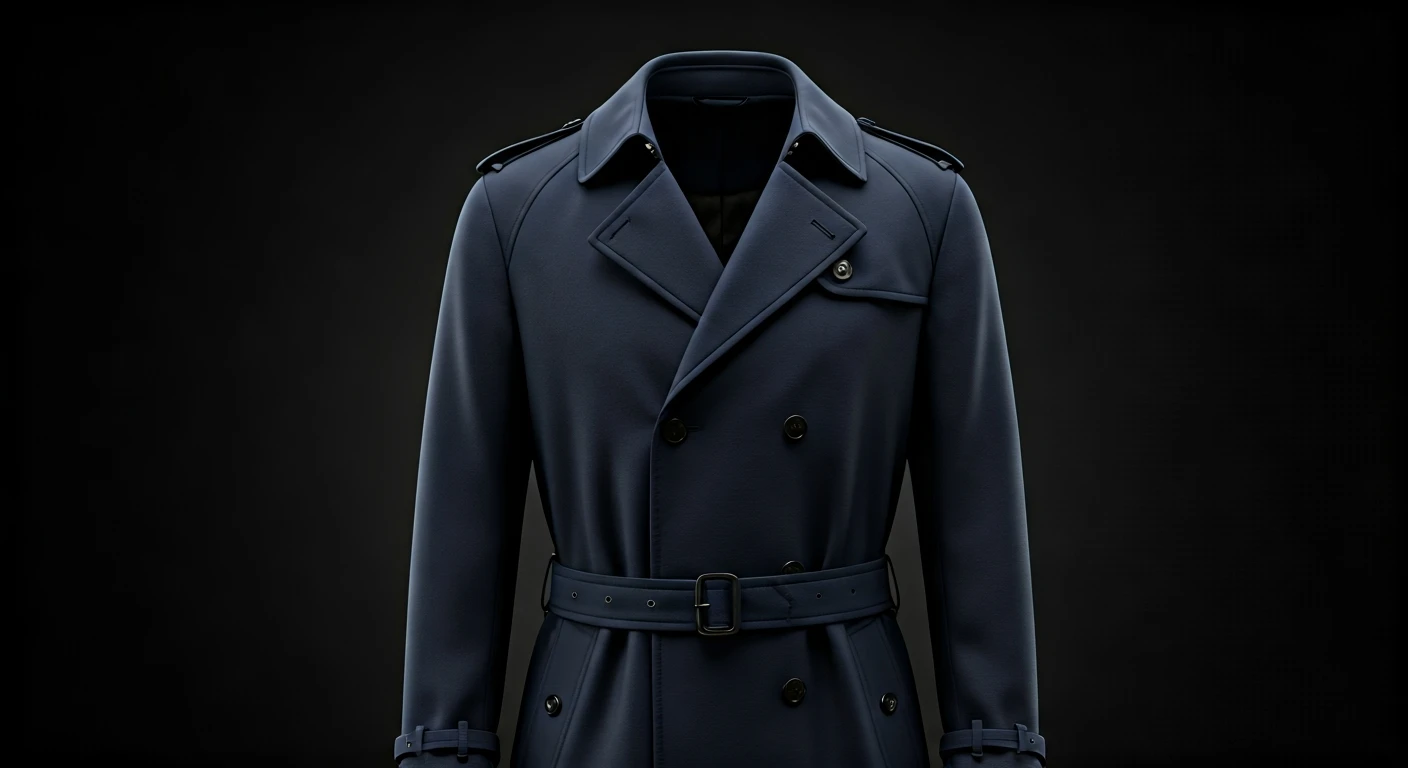
Several distinctive design elements define the trench coat. The double-breasted closure, often with ten buttons, offers maximum protection against the elements. The belted waist allows for a customizable fit, while the shoulder epaulettes, as mentioned earlier, served to display rank. The storm flap, a protective layer over the shoulder, shielded against rain and wind. Deep pockets, typically slanted for easy access, provided ample storage. The cuff straps, or wrist straps, helped to tighten the sleeves and prevent water from entering. The vent in the back, or kick pleat, allowed for ease of movement. Each of these features had a specific practical purpose, contributing to the trench coat's functionality and durability. Over time, these elements have become integral to the garment's iconic status.
Post-War Transformation
After World War I, the trench coat's transition from military uniform to civilian wardrobe began. Demobilized soldiers brought their coats home, and their practicality and style quickly appealed to the general public. The coat's association with heroism and adventure, along with its practical design, contributed to its popularity. It began to appear in popular culture, worn by actors and actresses in films, further solidifying its status as a symbol of sophistication and mystery. Fashion designers also recognized its potential, adapting the design for a wider audience. They made it in different materials, colors, and styles. This ensured the trench coat was not only a practical garment, but also a fashion statement that continued to evolve.
The Hollywood Icon
The trench coat's rise to fashion stardom was greatly accelerated by its presence in Hollywood films. The garment became synonymous with detectives, spies, and other characters, adding an air of intrigue and sophistication. Humphrey Bogart, in films like 'Casablanca,' helped to cement its iconic status, making it a symbol of cool confidence. Actresses also embraced the trench coat, making it a versatile piece for both casual and formal wear. The trench coat's association with glamour and mystery was further enhanced by its appearance on the silver screen. This helped to solidify its place as a classic wardrobe staple, transcending mere practicality and embracing high fashion and style.
A Timeless Classic
Today, the trench coat remains a wardrobe essential, loved for its versatility and timeless appeal. It continues to be reinvented by designers, with new fabrics, colors, and details. While its military origins are still visible in its design, the trench coat has evolved to suit various styles and preferences. Whether you prefer a classic beige version or a more modern interpretation, the trench coat remains a symbol of elegance and sophistication. It continues to provide protection and a touch of class. Its enduring popularity is a testament to its enduring design and its ability to adapt and remain relevant across generations.