





Rethinking Weight Loss
Many believe that shedding pounds requires drastic calorie reduction and restriction, but this approach often proves unsustainable and can even be detrimental.
The body's response to food intake, encompassing metabolic processes and hormonal equilibrium, plays a crucial role alongside calorie management. Pushing the body into extreme deprivation can paradoxically hinder long-term fat loss efforts. A more effective strategy involves focusing on nutrient-dense foods and balanced eating patterns, moving away from harsh limitations towards a nourishing lifestyle that supports the body's natural functions.
The Protein Advantage
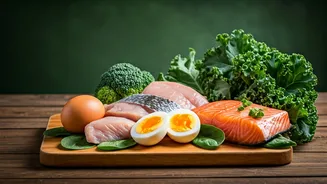
A cornerstone of sustainable fat loss, as advocated by Hannah Button, is significantly increasing protein intake. The recommendation is to aim for approximately 0.7 to 1 gram of protein per pound of body weight daily. Protein is a metabolic powerhouse; your body expends about 30% of its calories just processing it, a thermic effect that aids in calorie expenditure. Crucially, adequate protein intake helps preserve lean muscle mass during a calorie deficit, which is vital for maintaining a healthy metabolism. Many individuals fall short of their protein needs, missing out on these significant fat-loss benefits.
Metabolism & Muscle
Consuming an adequate amount of food, rather than severe restriction, is essential for keeping your metabolism robust. Extreme dieting can trigger a 'starvation mode,' leading to elevated cortisol levels, which prompts the body to store fat more readily. A moderate calorie deficit of around 300-400 calories is far more effective and sustainable than aggressive cuts. Furthermore, muscle tissue acts as the primary engine for fat loss; the more muscle mass you build, the higher your resting metabolic rate becomes, meaning you burn more calories even when inactive. Starvation, conversely, can lead to muscle loss, slowing metabolism and increasing fat storage.
Hormonal Harmony
Hormonal balance is a critical, often overlooked, aspect of weight management, particularly for individuals over 40. Chronic under-eating can lead to persistently elevated cortisol levels, a stress hormone that encourages the body to hold onto fat, especially around the abdomen. Simultaneously, consistently low calorie intake can suppress leptin, the hormone responsible for signaling satiety. This hormonal imbalance can result in persistent hunger, making individuals more susceptible to overeating and binge episodes, thereby derailing fat loss efforts.
Nutrient-Rich Choices
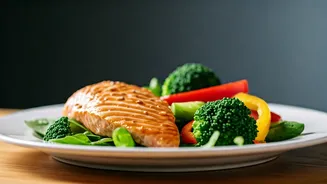
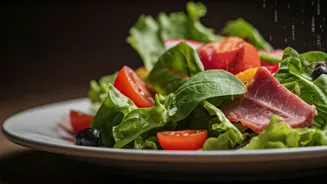
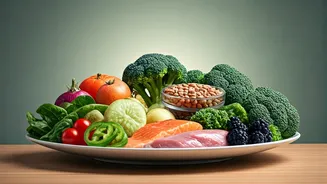
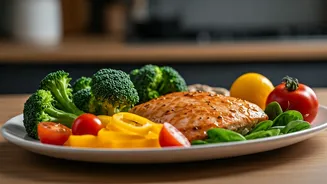
The types of food you consume play a significant role in achieving your fitness goals. Hannah Button emphasizes incorporating lean protein sources such as chicken, fish, eggs, and Greek yogurt, which are satiating and support muscle repair. For volume and micronutrients with minimal calories, a generous intake of vegetables is recommended. Complex carbohydrates should be strategically timed around workouts to fuel performance, while healthy fats should be included in controlled portions to support overall health and hormone function.