
Melting Ice Sheets
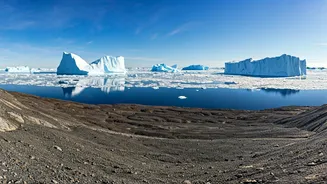
The dramatic melting of Greenland's ice sheets is a clear sign of climate change and has far-reaching consequences. As the ice melts, it contributes significantly
to rising sea levels, posing a threat to coastal regions globally, including India. The impact is not only environmental. The melting ice also opens up access to previously inaccessible areas, sparking international interest in Greenland's resources. The reduced ice cover facilitates shipping routes, further altering global trade dynamics. This creates both challenges and potential opportunities for India, which must prepare for the effects of climate change and navigate the evolving geopolitics surrounding Greenland's changing landscape. The speed at which Greenland's ice is melting, far exceeding initial predictions, calls for urgent international cooperation to address climate change and its consequences.
Rare Earth Minerals
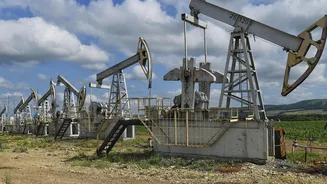
Greenland is rich in rare earth minerals, crucial for technology and green energy. These elements are essential for manufacturing electric vehicles, wind turbines, and other advanced technologies. The global demand for these minerals is increasing rapidly, making Greenland a strategic asset. The control of these resources will reshape global power dynamics, intensifying competition among nations. This scramble for rare earth minerals in Greenland has implications for India, which seeks to expand its technological capabilities and secure its resource supply. The country is watching closely how international politics unfold, knowing that access to these essential materials could affect its economic and strategic interests. The situation highlights the intersection of environmental concerns and economic interests as nations race to secure access to these critical resources.
Global Power Play
The race to Greenland is a new chapter in the international power game, involving the United States, China, and other nations. The U.S. has shown a keen interest, evidenced by the proposed Greenland annexation bill. China's presence is also notable, as it seeks to gain a foothold in resource-rich regions to fuel its economic expansion. This heightened competition involves diplomatic maneuvers, strategic alliances, and economic investments. India must carefully analyze these international relationships and understand how they could impact its own standing. The evolving geopolitics of Greenland demand India's proactive engagement in international forums and strategic dialogues. India's ability to navigate the complex web of interests will determine its ability to protect its interests and contribute to the global governance of this vital territory.
India's Strategic Role
For India, the unfolding situation in Greenland presents both challenges and opportunities. The climate change implications of the melting ice directly affect India, due to rising sea levels and weather pattern changes. Securing access to resources and fostering strong relationships with key stakeholders becomes crucial. India can support scientific research on climate change and promote sustainable resource management practices in Greenland. By participating in international collaborations and diplomatic efforts, India can solidify its influence and advocate for environmentally responsible governance. India can also play a pivotal role in promoting dialogue and cooperation between nations. India's actions in Greenland will be a key part of its larger strategy for navigating the complexities of the 21st century.
Navigating the Future
The future of Greenland and its role in the global arena is uncertain, but one thing is clear: it will significantly affect the world's power dynamics. Climate change, the race for resources, and the strategic positioning of nations are all intertwined. India needs a multifaceted strategy that includes diplomacy, scientific cooperation, and economic partnerships. Remaining vigilant, understanding the ongoing changes, and supporting a stable, sustainable future will be important. It will also be vital for India to ensure that its economic and strategic interests are protected. India must become actively involved in shaping Greenland's future, ensuring a balanced, sustainable, and inclusive approach to global challenges and opportunities. This requires foresight, adaptability, and unwavering commitment to safeguarding India's interests in a changing world.