






Aerial Confrontation Unfolds
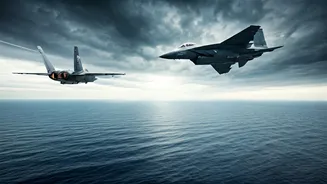
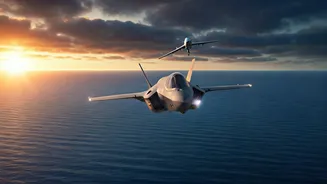
In a dramatic escalation of simmering tensions within the Arabian Sea, a United States F-35 fighter jet was compelled to neutralize an Iranian drone. This
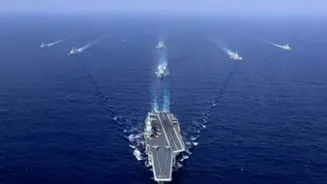
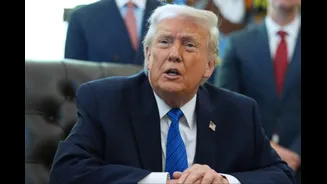
unmanned aerial vehicle, identified as a Shahed-139, reportedly exhibited aggressive maneuvers in close proximity to the US aircraft carrier Abraham Lincoln. According to US Central Command, the drone's approach was deemed a direct threat to the carrier and its personnel, necessitating defensive action. The engagement occurred at a critical juncture, with diplomatic channels actively being pursued to de-escalate broader regional issues and discuss nuclear agreements between the US and Iran. President Donald Trump had previously issued warnings regarding potential repercussions should diplomatic progress stall, underscoring the delicate balance of power in the region. The F-35's swift intervention ensured no American service members sustained injuries, and no vital equipment incurred damage during this critical encounter.
Broader Geopolitical Backdrop
This assertive drone action transpired against a backdrop of significant US military repositioning in the Middle East, initiated following a severe crackdown on anti-government protests within Iran. This internal unrest marked the most violent period since the 1979 revolution, drawing international attention and prompting US responses. While President Trump opted against direct military intervention in the protests, his administration subsequently shifted focus to demanding nuclear concessions from Tehran. This strategic pivot was accompanied by the deployment of US warships, including the Abraham Lincoln carrier strike group, to Iran's coast, serving as a potent leverage point in impending negotiations. Recent statements from President Trump indicated that Iran was engaging in 'serious talks,' a sentiment echoed by Iranian official Ali Larijani, who confirmed that high-level discussions were in the process of being arranged, highlighting the dual track of military posturing and diplomatic overtures.
Maritime Harassment Echoes
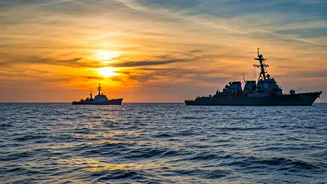
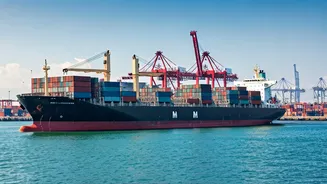
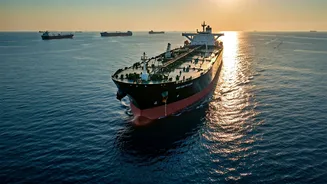
Adding another layer of friction to the already volatile situation, Iran's Revolutionary Guard Corps (IRGC) engaged in a separate act of harassment hours later within the strategically vital Strait of Hormuz. This incident involved IRGC boats and a Mohajer drone converging on the US-flagged merchant vessel M/V Stena Imperative. Reports indicate that the Iranian forces threatened to board and seize the ship, a clear act of intimidation in international waters. This maritime provocation underscores the persistent friction points between the two nations, fueled by protracted nuclear talks and Iran's assertive regional activities. The White House Press Secretary, Karoline Leavitt, corroborated the drone downing, emphasizing that the decision was made by CENTCOM due to the unmanned aircraft's aggressive posture towards the USS Lincoln, reinforcing the US commitment to protecting its assets and upholding maritime security amidst escalating diplomatic efforts.