






Cooked Food Care
Storing cooked food correctly is paramount for both taste and safety. Chef Sekh Sahajan advises letting hot meals cool down for at least 30 to 45 minutes
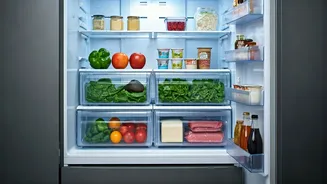
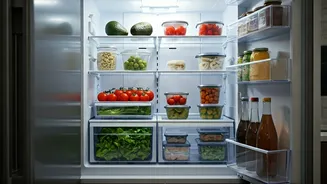
before refrigeration, as introducing heat can disrupt the fridge's consistent temperature and affect other contents. For storage, opt for airtight containers made of glass or stainless steel. The middle shelf of your refrigerator is generally the most stable in temperature, making it the ideal spot for these containers. A key principle to remember is to only reheat the portion you intend to consume, as repeated reheating diminishes both flavor and nutritional value. It's also crucial to consume refrigerated cooked food within a strict two to three-day window to maintain its quality and prevent spoilage.
Raw Vegetables & Airflow
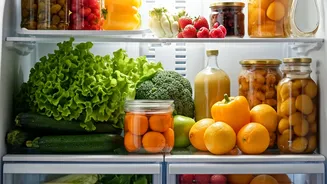
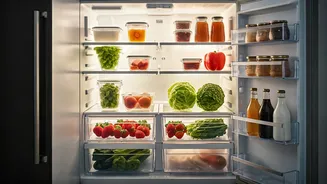
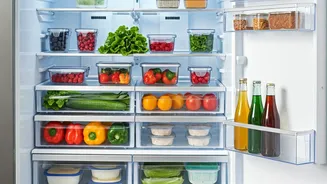
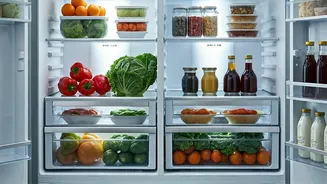
When it comes to raw vegetables, the primary goal is to keep them dry. If you wash them before storing, ensure they are thoroughly dried to prevent premature decay. Most raw vegetables belong in the designated vegetable drawer, which is specifically designed to regulate humidity levels. To promote air circulation and maintain freshness, consider using cloth bags or perforated covers for your vegetables. It's also a good practice to segregate fruits like apples and tomatoes, which naturally release ethylene gas, from more sensitive produce such as leafy greens. This separation prevents the ethylene gas from accelerating the ripening and potential spoilage of these delicate items.
Leafy Greens Freshness
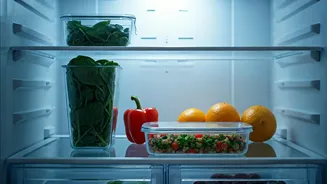
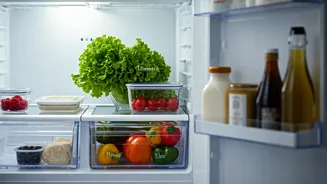
Leafy greens require a gentle approach to remain vibrant and nutritious. To extend their lifespan, try wrapping them in a slightly damp cloth or towel. Following this, place them in a container that has been lined with a dry paper towel. This simple method helps to retain moisture without making the leaves soggy, keeping them crisp for several days. For optimal nutrient retention and best taste, it's recommended to use these greens within a four-day period after storage. This ensures that the vitamins and minerals remain largely intact, offering the best culinary and health benefits.
Seasonal Storage Wisdom
Integrating Ayurvedic principles into food storage can significantly enhance freshness and longevity. Chef Sahajan emphasizes the importance of aligning food choices with the six natural seasons, or 'ritu'. Ingredients that are in season not only taste better and are easier for the body to digest but also tend to last longer when stored with care. This mindful approach to selecting and storing food respects the inherent nourishment within each ingredient. By understanding and applying seasonal wisdom, food storage transcends mere preservation, becoming an act of honoring the food and the vitality it provides.