







Moong Dal Khichdi
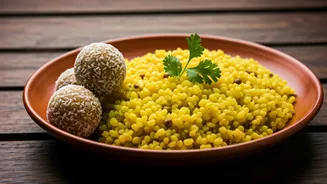
Makar Sankranti is a significant festival in India, celebrated with traditional dishes. One of the most common and delicious dishes is Moong Dal Khichdi,
a comforting and wholesome meal. Its preparation involves carefully balancing the proportions of rice, moong dal (split yellow lentils), and various spices. The cooking process is crucial; the rice and lentils should meld into a creamy consistency while retaining their individual textures. This recipe provides a detailed guide to creating this traditional dish, ensuring a perfect blend of flavors and textures, making it a fitting centerpiece for Makar Sankranti celebrations.
Khichdi Ingredients
Creating the perfect Moong Dal Khichdi starts with the right ingredients. Essential components include rice and moong dal, each contributing to the dish's texture and nutritional value. The rice should be of good quality, ideally short-grain varieties known for their stickiness, which helps in achieving the desired creamy consistency. The moong dal adds protein and a subtle, earthy flavor. Beyond these staples, the recipe incorporates spices to enhance the taste. Turmeric, for color and anti-inflammatory properties; cumin seeds, for a warm aroma; and asafoetida (hing), for a distinctive flavor, are all key. Additional ingredients like ginger, green chilies, and ghee (clarified butter) add depth to the dish. Their careful measurement ensures that each element contributes effectively to the final flavor profile, creating a balanced and satisfying meal for the festive occasion.
Cooking Khichdi
Preparing Moong Dal Khichdi is a step-by-step process. Firstly, both the rice and moong dal need to be washed thoroughly. The next stage involves tempering the spices in ghee in a pan. This process allows the flavors of the spices, such as cumin seeds, hing, and turmeric, to release. Following the tempering step, the washed rice and moong dal are added to the pan. Sautéing them with the spices helps them absorb the flavors. Water is then poured into the pot. The cooking duration is vital to this process, where the lentils and rice blend without becoming overcooked. The dish should simmer on a medium heat until the grains soften and the water is absorbed, achieving the desired creamy texture. Finally, serving the Khichdi hot, garnished with fresh coriander, adds the final touch to a delicious Makar Sankranti dish.
Narkel Naru Intro
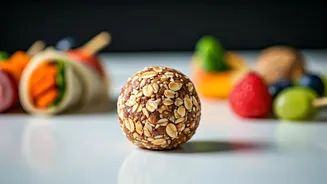
Apart from the savory Moong Dal Khichdi, Makar Sankranti offers a sweet treat: Bengali-style Coconut Laddoo, or Narkel Naru. This dessert features grated coconut and jaggery as its primary components. This recipe encapsulates the spirit of the festive season with its rich flavors and simple preparation. The process involves slow cooking, allowing the coconut and jaggery to blend and create a caramelized sweetness that defines the laddoo. These treats are not only a dessert; they are an integral part of the festive spirit, representing the sweetness of the occasion.
Narkel Naru Recipe
To make Bengali Coconut Laddoo, the selection of ingredients is paramount. Freshly grated coconut provides the base, its texture playing a significant role in the laddoo's final form. Jaggery is the sweetener, bringing its unique caramel-like taste. The cooking process involves combining coconut and jaggery in a pan over medium heat, stirring continuously to prevent burning. The mixture needs to be cooked until it thickens and starts to leave the sides of the pan, indicating it’s time to shape the laddoos. Once the mixture cools slightly, it's rolled into small, round shapes, which are the Narkel Narus. This recipe delivers a festive sweet, offering a flavorful conclusion to the celebratory meal.