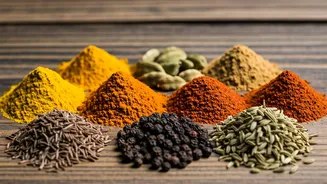







Spice Power Unveiled
Chef Sanjeev Kapoor highlighted a collection of nine Indian spices with notable health benefits, extending beyond mere flavour enhancement. He emphasized
the crucial role of these spices in supporting digestive health and boosting immunity. These spices are integral to Indian cuisine and are frequently used to add depth and complexity to dishes. Beyond taste, Kapoor's insights show their significant potential to improve overall health. This includes promoting better digestion and enhancing the body's natural defences. The use of these spices reflects a holistic approach to wellness, integrating nutrition with tradition. These can be easily incorporated into daily meals to harness their health-promoting properties.
Turmeric's Golden Touch
Turmeric, a vibrant yellow spice, takes center stage due to its potent anti-inflammatory properties. The active compound, curcumin, is known for its ability to reduce inflammation throughout the body. This inflammation can be a contributing factor in several chronic diseases. Incorporating turmeric into your diet can support joint health and potentially alleviate symptoms of inflammatory conditions. Consider adding turmeric to curries, stews, or even a warm glass of turmeric milk. Its versatility makes it an easy addition to your daily routine, providing a straightforward way to harness its health benefits. The use of turmeric reflects a blend of traditional knowledge and contemporary wellness practices.
Cumin's Digestive Aid
Cumin is a key player in aiding digestion. It is known for stimulating the production of digestive enzymes, which helps the body break down food more efficiently. This leads to reduced bloating, gas, and indigestion. Cumin can be used in a variety of dishes, from savoury curries to roasted vegetables, and it adds a warm, earthy flavour that complements many cuisines. Consuming cumin may enhance the digestive process, promoting overall gut health. People often enjoy it in various preparations, showcasing its adaptability in culinary practices. Incorporating cumin can be a proactive step towards better digestive well-being, aligning with the principles of mindful eating and natural health practices.
Coriander's Digestive Role
Coriander, frequently used in both seed and leaf form, is well-regarded for its digestive properties. Coriander seeds are known for alleviating digestive discomfort and promoting a healthy gut. Coriander is also rich in antioxidants, contributing to overall health. Whether in soups, stews, or spice blends, coriander's mild flavour provides a refreshing note to dishes. Adding coriander to your meals is a straightforward way to improve digestive comfort. It has been used for centuries to soothe digestive issues. The use of coriander is in line with a balanced diet, focusing on nutritious, easily digestible ingredients.
Ginger's Anti-Nausea Effect
Ginger is renowned for its anti-nausea properties and can also alleviate other digestive issues. It has been used for centuries in traditional medicine to combat nausea, motion sickness, and morning sickness. Ginger contains compounds that help relax the digestive system and reduce inflammation. From ginger tea to stir-fries, this spice offers versatility. People can use fresh, dried, or powdered forms. Consuming ginger can be beneficial when experiencing digestive discomfort. Ginger supports wellness, combining traditional remedies with modern dietary practices.
Cardamom's Refreshing Breath
Cardamom, both a spice and a flavouring agent, is particularly effective for aiding digestion. It's often used to freshen breath and improve digestion. The spice has also been shown to help soothe the stomach and reduce bloating. You'll find it in teas, desserts, and curries, adding a delicate aroma and flavour. Cardamom is a versatile ingredient, adding a layer of health benefits to meals. It has a rich history in culinary traditions. It supports a healthy gut, enhancing overall wellness.
Fennel's Gas-Reducing Impact
Fennel seeds are a popular remedy for reducing gas and bloating, making them a common choice after meals. They contain compounds that promote digestive health. Fennel seeds can be chewed directly or added to dishes. They offer a licorice-like flavour that many people find enjoyable. Fennel's properties make it an effective, natural aid for digestive comfort. It has long been used in traditional remedies. Incorporating fennel into your diet can significantly improve your digestive experience and comfort.
Mustard's Digestive Stimulation
Mustard seeds, though small, are potent stimulators of digestive processes, aiding in the breakdown of food. Mustard seeds contain compounds that increase digestive enzyme production. They can be used whole, ground into powder, or made into mustard paste. They can be included in sauces, marinades, or rubs. Mustard enhances the digestive process. It contributes to overall gut health. The addition of mustard is a simple step towards better digestion and well-being.
Asafoetida's Digestive Benefits
Asafoetida, a pungent spice, is used as a digestive aid. It can reduce bloating, gas, and other digestive discomforts. It has a strong flavour, and it's best used sparingly. Asafoetida is an essential ingredient in many Indian dishes. It has a unique flavour that adds depth to recipes. This can be incorporated into your dishes. It helps in the digestion process. The use of asafoetida enhances the flavour and adds a valuable health boost to the meals.
Nutmeg's Calming Effect
Nutmeg is sometimes used in small quantities to help soothe the digestive system and support overall well-being. It can also help reduce bloating and abdominal discomfort. It often appears in sweet and savoury dishes, adding a warm, aromatic element. Nutmeg enhances the flavour while providing digestive benefits. It offers calming effects. Using nutmeg adds both flavour and health benefits to the meals.