
Selecting Your Potatoes
The cornerstone of any outstanding Aloo Sabji is, unsurprisingly, the potatoes themselves. Opting for the right variety can significantly impact the final
dish's texture and flavor. Starchy potatoes like Russets are not the best choice, as they tend to disintegrate during cooking, leading to a mushy curry. Instead, choose waxy potatoes like red potatoes or Yukon Golds. These hold their shape well, absorbing the spices while maintaining a pleasant bite. Ensure the potatoes are firm, free from sprouts, and without any green patches, which indicate the presence of solanine, a bitter compound. Before cooking, wash the potatoes thoroughly to remove any dirt. Peeling is optional; some prefer the rustic charm of skin-on potatoes, while others opt for a smoother texture by peeling them. The cut of the potatoes also matters; typically, they are diced into medium-sized pieces, around 1-inch cubes, to ensure even cooking and optimal spice absorption.
Preparing the Spices
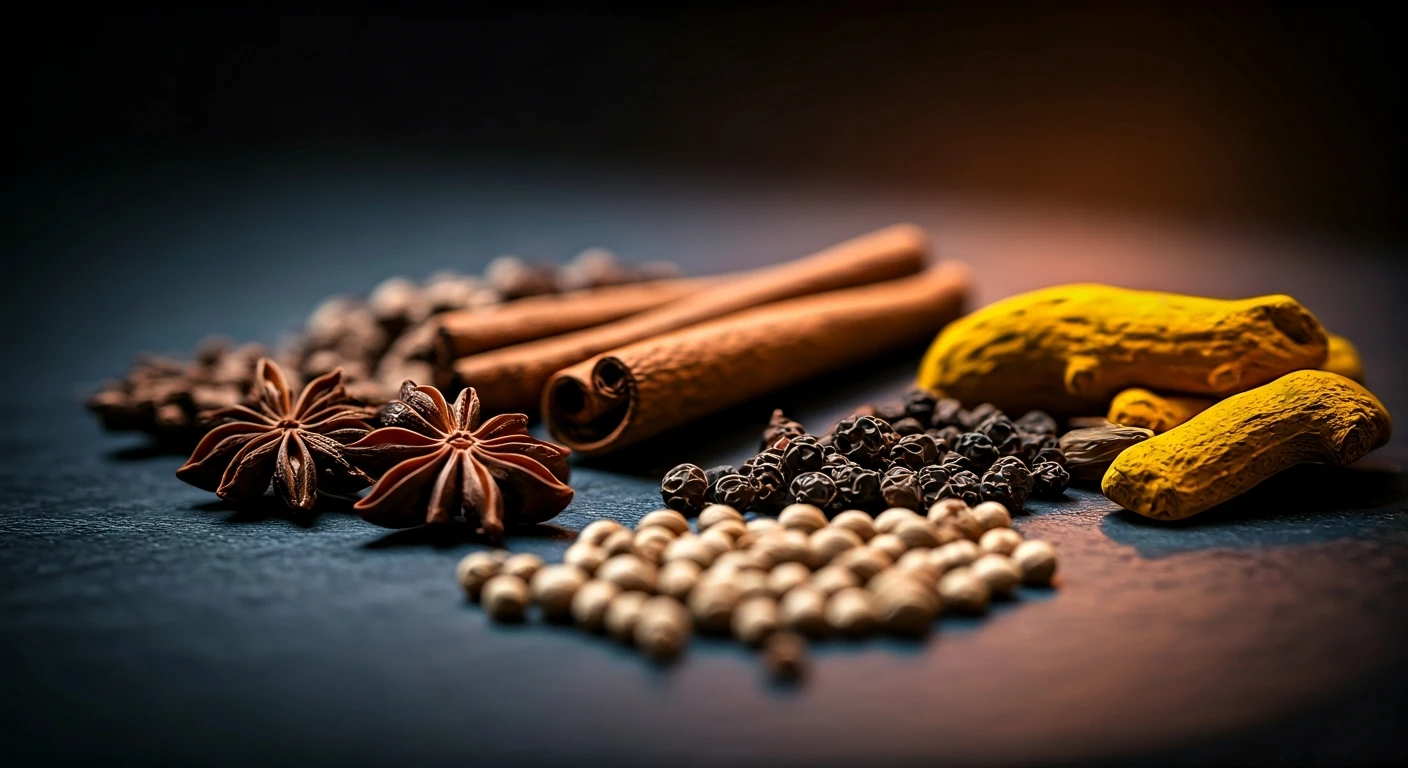
The soul of Halwai-style Aloo Sabji lies in its flavorful spice blend. Begin by gathering the essential spices: cumin seeds (jeera), coriander powder (dhania), turmeric powder (haldi), red chili powder (lal mirch), and garam masala. These spices provide a complex flavor profile that characterizes this curry. Often, a pinch of asafoetida (hing) is added during the tempering process; this spice has a pungent smell and provides a savory taste, enhancing the overall flavor. The quantity of each spice should be balanced to achieve the desired taste. It's best to start with smaller amounts and adjust based on your personal preference. For example, a common ratio could be one teaspoon each of cumin seeds, coriander powder, and turmeric powder, with red chili powder adjusted to your spice tolerance. High-quality spices are essential; they deliver the most potent and authentic flavors. Consider toasting the cumin seeds and coriander seeds in a dry pan until they release their fragrance; this intensifies their flavor and brings out their aroma.
The Tempering Process
The tempering process, also called 'tadka', is crucial for infusing the oil with the flavors of spices, imparting an aromatic base to the sabji. Heat some oil in a deep pan over medium heat; mustard oil or vegetable oil are frequently used, each providing a unique flavor profile. Once the oil is hot, add cumin seeds, letting them sizzle until they turn golden brown. After this, include asafoetida. Next, add the diced onions; sauté them until they turn translucent or light golden brown, which will take about 5-7 minutes. Once the onions have softened, add the ginger-garlic paste and sauté for another minute, until the raw smell vanishes. At this stage, add the powdered spices. Stir continuously to prevent burning and to release their aromas. Sauté the spices for a short while, ensuring they do not stick to the bottom of the pan. This step is crucial for imparting the characteristic flavor of the Aloo Sabji.
Cooking the Aloo Sabji
With the spices tempered, the potatoes are now added. Add the diced potatoes to the pan, and stir well, ensuring they are evenly coated with the spice mixture. Sauté the potatoes for a few minutes to allow them to absorb the flavors, but be gentle to prevent them from breaking apart. Next, add water; the amount of water will depend on your desired consistency—usually, enough to partially cover the potatoes is sufficient. Bring the mixture to a boil, then reduce the heat to a simmer, covering the pan to allow the potatoes to cook evenly. The cooking time will depend on the size of the potato pieces and the type of potato used. Keep an eye on the potatoes, checking for doneness by inserting a fork; they should be tender but still firm. Once the potatoes are cooked, add salt to taste; season the sabji to your preference, and stir well to dissolve the salt and integrate it into the dish.
Adding Final Touches
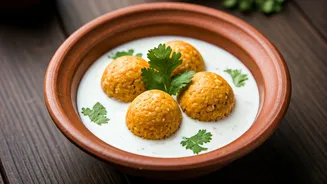
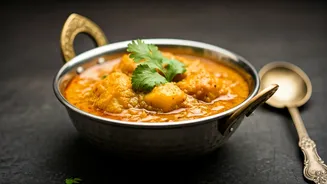
The final touches are crucial for enhancing the flavor and presentation of your Aloo Sabji. Once the potatoes are cooked and the sabji has thickened, add a squeeze of lemon juice for a tangy note; this adds freshness and balances the richness of the curry. Garnish with freshly chopped coriander leaves (cilantro) for color and an added layer of flavor. Coriander leaves bring a fresh, herbal note that complements the warmth of the spices. Some recipes may include a final tempering of red chili and curry leaves for extra flavor and visual appeal. For the halwai-style authenticity, the sabji can be slightly mashed to give it a thicker consistency. Serving is also important. Serve the Halwai-style Aloo Sabji hot with roti, paratha, or puri. It also complements rice well. For a complete meal, pair it with some raita, a yogurt-based side dish.