






Oil as a Focus
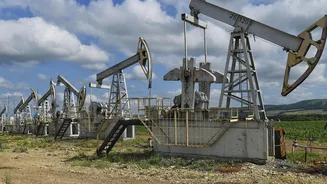
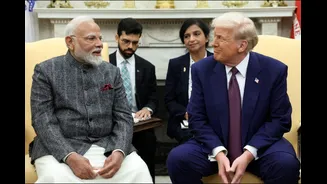
Donald Trump's political decisions have frequently been marked by a strong emphasis on securing access to oil resources from different countries. This
strategy is driven by the perceived economic advantages of acquiring oil at advantageous prices, as well as a strategic desire to reduce dependence on other oil-producing nations. This approach has led to various negotiations and initiatives aimed at securing oil deals, which have often been integrated into wider diplomatic and geopolitical strategies. The administration's focus on oil has prompted both praise and criticism, with some arguing that it has enhanced energy security and created economic opportunities. Others believe that this emphasis has led to complex consequences for international relations and the promotion of human rights in the involved countries, prompting concerns over its long-term effects on global stability and diplomatic consistency.
Venezuela's Oil Potential
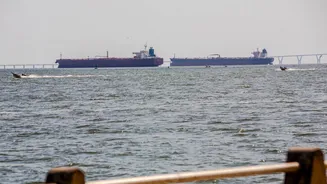
Venezuela's substantial oil reserves have become a particular focus of attention in Trump’s oil-focused strategy. Venezuela possesses some of the world's largest oil reserves, making it a potentially crucial source of supply. However, the nation's political instability, economic crises, and contentious relations with the international community have complicated any attempts to secure oil deals. The allure of accessing these substantial reserves has led to discussions and possible actions to exploit Venezuela's oil resources. Nonetheless, such a strategy presents significant difficulties, including the need to navigate sanctions, internal political unrest, and international scrutiny. The prospect of lifting or easing sanctions to facilitate oil trade has also been a topic of debate, drawing opinions from various international players, which would shape the future of Venezuela's economic trajectory.
Risks and Rewards
The pursuit of oil deals carries a blend of potential rewards and significant risks. The main advantages include reduced energy costs, increased economic activity, and strengthening diplomatic ties with oil-rich nations. Yet, such a strategy has several inherent risks, including heightened political volatility. For instance, reliance on oil from politically unstable regions could expose the country to energy supply disruptions. Furthermore, prioritizing oil interests may cause diplomatic tensions with other nations, particularly if these interests clash with existing strategic alliances or values. The ethical dimensions of working with regimes accused of human rights violations, and the possible impact on long-term sustainability are also crucial considerations that would influence decision-making processes. Balancing the desire for oil security with the broader goals of promoting stability, human rights, and sustainable economic practices is one of the key challenges.
Geopolitical Implications
Trump's strategy regarding oil acquisition has far-reaching geopolitical implications. It influences relations with other countries, shapes international alliances, and affects the balance of global power. For instance, the attempts to secure oil deals with specific nations could affect existing relationships and possibly drive conflicts between nations competing for access to energy resources. The willingness to engage with countries facing international criticism raises important questions regarding human rights and geopolitical strategies. The emphasis on oil could also influence the global transition towards sustainable energy sources. Therefore, decisions about oil acquisition affect not just energy security and economic considerations, but also the broader geopolitical landscape. These decisions have the power to influence the dynamics of international relations, and promote either cooperation or competition on the global stage.
A Critical Assessment
A thorough assessment of the oil-focused approach to foreign policy is crucial. This assessment involves evaluating the economic benefits, geopolitical impacts, ethical implications, and environmental consequences of the decisions made. It's essential to analyze the long-term effects of oil-based partnerships, including the stability of the involved countries and the consistency of the nation’s values. Such evaluation should consider the short-term economic gains against the potential risks of relying on volatile nations and the long-term sustainability. The nation's ability to maintain a balanced approach that promotes both energy security and its broader strategic goals is another key element. The goal is to develop a strategy that supports economic prosperity, ensures ethical foreign policy practices, and is sustainable in an ever-changing global environment.