






Normal Maturing Hairline
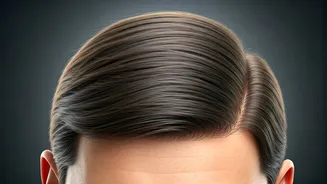
It's not uncommon for teenagers, particularly boys, to experience subtle alterations in their hairline as they mature. This gradual change, often termed
a 'maturing hairline,' is a natural part of facial development and typically stabilizes without causing significant thinning. Unlike genuine hair loss, this shift usually occurs evenly across the forehead, leading to a slightly higher hairline that doesn't appear patchy or alarming. The key differentiator is the gradual and consistent progression, ultimately settling into a new, mature facial frame. If the change is subtle and doesn't involve excessive shedding, it's often a sign of normal adolescent growth and not a cause for undue worry.
Causes of Early Hair Loss
While a maturing hairline is a natural process, a noticeably receding hairline or significant hair fall at a young age can point to other contributing factors. Genetics frequently plays a dominant role, predisposing some individuals to early-onset male pattern baldness where hair follicles gradually shrink. However, genetics isn't the sole culprit. Hormonal shifts characteristic of puberty can influence hair growth cycles. Furthermore, persistent stress, inadequate nutrition, and underlying scalp conditions can all negatively impact hair health and lead to premature thinning. It's a combination of these elements that can manifest as a more concerning hairline recession.
Spotting the Difference
Distinguishing between a natural hairline maturation and actual early hair loss is crucial for appropriate action. A maturing hairline generally recedes uniformly and then ceases its progression, maintaining a consistent density. Conversely, early hair loss might feel more abrupt, often appearing unevenly, particularly noticeable at the temples or the crown of the head. This type of hair fall may also be accompanied by a visible increase in the amount of hair found on your comb or in the shower. Observing these patterns – suddenness, unevenness, and increased shedding – helps determine if professional medical advice is needed.
Seeking Expert Guidance
For teenagers experiencing signs of concerning hair loss, avoiding self-treatment is paramount. Dermatologists strongly advise against using quick fixes or unverified remedies. Instead, consulting a qualified dermatologist for a thorough evaluation is the recommended first step. This professional assessment can accurately diagnose the cause of the hairline changes. Alongside medical advice, adopting a balanced diet rich in essential nutrients, implementing effective stress management techniques, and practicing gentle hair care routines are vital for supporting overall hair health and potentially mitigating further hair loss.