






Diplomatic Outreach
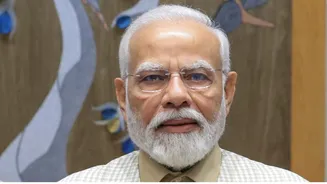
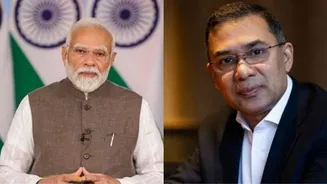
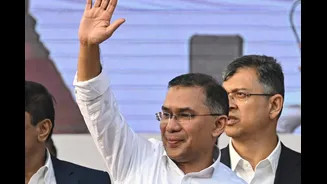
In a notable development, Prime Minister Narendra Modi initiated a telephone conversation with Tarique Rahman, the leader of the Bangladesh Nationalist
Party (BNP), to extend his felicitations on the party's decisive victory in the recent parliamentary elections. This outreach underscores the critical relationship between India and Bangladesh. Modi’s message, shared via X (formerly Twitter), expressed delight in speaking with Rahman and conveyed best wishes for his leadership in fulfilling the aspirations of the Bangladeshi populace. Beyond personal congratulations, the discussion also served to reinforce India's established stance on bilateral relations. Modi reiterated New Delhi's steadfast commitment to the continued peace, progress, and mutual prosperity of both nations, emphasizing the deep historical and cultural bonds that connect them as close neighbors.
Political Landscape Shift
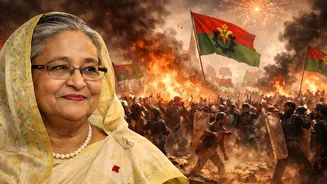
The recent general election in Bangladesh marks a pivotal moment, signaling a substantial shift in the country's political narrative. This election is the first to occur since the significant political upheaval in July 2024, which ultimately led to the departure of former Prime Minister Sheikh Hasina from her long-standing tenure. The outcome has delivered a clear and strong mandate to the BNP, led by Tarique Rahman, signaling a new chapter for the nation. Rahman's political resurgence represents a dramatic turn in Bangladesh's often turbulent political arena. He is a figure of considerable influence, coming from one of the country's most prominent political families, being the son of former President Ziaur Rahman and former Prime Minister Khaleda Zia. This lineage positions him as a key player in the country's future governance and international relations.
Tarique Rahman's Background
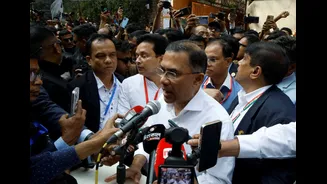
Tarique Rahman, currently serving as the acting chairman of the Bangladesh Nationalist Party, is a figure who elicits strong reactions within the nation's political discourse. His supporters view him as the natural successor to a potent political legacy, while critics often characterize him as a controversial and polarizing figure. His ascent to prominence reflects a blend of dynastic continuity in politics and remarkable resilience. Notably, Rahman departed Bangladesh in 2017 following his arrest on charges of corruption and money laundering, a period that significantly impacted perceptions of his political future. His current leadership will be under intense scrutiny, particularly concerning his approach to managing internal national challenges and the intricate diplomatic relationships with regional powers, including India.