







Intermittent Fasting Pitfalls
While intermittent fasting (IF) gains popularity, extended fasting periods of 16 to 20 hours can be detrimental for women. These prolonged fasts can lead
to increased acidity, elevated cortisol levels, and significant blood sugar fluctuations. Furthermore, they can disrupt menstrual cycles and intensify hunger pangs later in the day. For women, it's generally recommended to limit fasting windows to 12 to 14 hours, as men often tolerate longer periods without adverse effects. This approach ensures better hormonal balance and energy management for the female body.
Extreme Calorie Cuts
Drastically reducing calorie intake, known as extreme calorie restriction, poses unique risks for women. Unlike men, whose bodies typically possess more muscle mass and a higher basal metabolic rate, women's systems are more sensitive to severe energy deficits. This sensitivity is linked to the body's prioritization of fertility and hormonal equilibrium. Nutritionists suggest that a moderate calorie deficit, around 20 percent of total daily energy expenditure (TDEE), is a more appropriate and sustainable approach for effective weight management without compromising essential bodily functions.
Low-Carb Diet Dangers
The popularity of low-carbohydrate diets also comes with potential drawbacks for women. Some women may experience a slowdown in thyroid function, a decrease in progesterone levels, sleep disturbances, and shifts in mood when adhering to very low-carb eating patterns. These effects are often more pronounced in women compared to men, who tend to adapt more readily to reduced carbohydrate intake. Maintaining a balanced macronutrient intake is crucial for women's overall well-being and hormonal health.
Fasted Exercise Risks
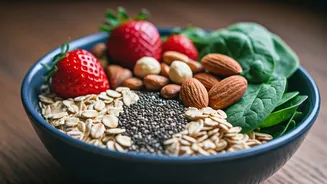
Exercising on an empty stomach, a practice often promoted within male-dominated fitness circles, can be counterproductive for many women. This approach can elevate cortisol levels, diminish workout performance, and potentially lead to increased muscle breakdown. Instead of pushing through a fasted workout, women often benefit from consuming a small meal that includes both protein and carbohydrates before exercising. Simpler options like a banana paired with almonds can provide the necessary fuel and support muscle preservation.
Protein Needs Ignored
A common misconception is that women need to eat fewer calories with minimal emphasis on protein intake. In reality, adequate protein is vital for women's health, supporting muscle maintenance, hormonal balance, and the health of skin and hair. Many women discover they can significantly improve their body composition and overall fitness by increasing their protein consumption, rather than by indiscriminately cutting down on all food intake. Prioritizing protein is key to building a stronger, healthier physique.