





Raw Veggies' Digestive Challenge
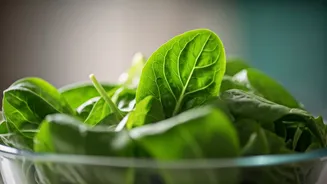
While packed with fiber and essential nutrients, raw vegetables present a unique digestive challenge. Their cell walls are primarily composed of cellulose,
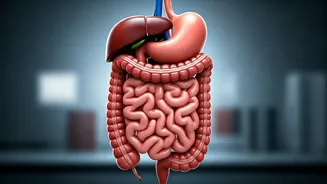
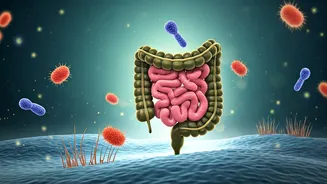
an insoluble fiber that the human digestive system struggles to break down effectively. This means your gut has to work overtime to process them, which can be particularly taxing for individuals with a less robust digestive system. Consequently, consuming large amounts of raw produce can manifest as uncomfortable symptoms such as gas, bloating, a feeling of heaviness, and general stomach upset after eating. These signals are your body's way of indicating that it's finding the raw vegetables difficult to manage, leading to a less than pleasant post-meal experience and potentially exacerbating existing gut sensitivities.
Who Suffers Most?
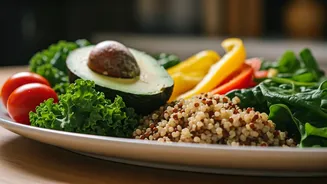
Certain individuals are more prone to experiencing digestive distress from raw vegetable consumption. Those dealing with conditions like Small Intestine Bacterial Overgrowth (SIBO), Irritable Bowel Syndrome (IBS), or general gut inflammation often find their symptoms are aggravated by uncooked vegetables. The fermentation process that occurs within the digestive tract can intensify with raw produce, leading to a cascade of unpleasant symptoms. Additionally, even seemingly simple elements like creamy dressings, or the inclusion of healthy fats from avocados, nuts, and olive oil, can pose further challenges. These richer components require efficient bile flow for proper digestion; without it, the fiber and fats can combine to create significant discomfort, bloating, and a feeling of being overly full.
Cooking for Better Digestion
Opting for cooked vegetables offers a significant advantage in terms of digestibility and nutrient availability. When vegetables are subjected to heat, their rigid cell walls soften, making them far easier for the body to break down. This enhanced digestibility not only reduces the likelihood of gas and bloating but also boosts the absorption of vital minerals. Cooked vegetables essentially act as a digestive aid, accelerating the process and ensuring your body can extract more goodness from your food. This makes them a superior choice for maintaining gut comfort and optimizing nutrient intake, especially for those with sensitive digestive systems or specific gut conditions.
Smart Salad Strategies
Transforming your salads to be more digestion-friendly is achievable with a few simple adjustments. Incorporating ingredients like apple cider vinegar, lemon juice, or fermented foods can provide a digestive boost. Finely chopping your vegetables and chewing each bite thoroughly are crucial steps to aid the initial breakdown process. Furthermore, consider avoiding large raw salads close to bedtime when digestion naturally slows. Lightly blanching or steaming vegetables before adding them to your salad can dramatically improve their ease of digestion. Alternatively, stir-frying your vegetables instead of eating them raw offers another delicious and gut-friendly preparation method that pairs well with your favorite dressings.