
Tragedy Strikes Spain
The nation of Spain was plunged into mourning following a catastrophic high-speed train accident near Adamuz. The incident involved a collision between
two high-speed trains and resulted in a significant loss of life. Authorities confirmed that at least 39 people perished in the crash, making it the deadliest rail disaster in Spain in over a decade. Additionally, over 120 individuals sustained injuries, with some in critical condition. The derailment and subsequent impact of the trains created a scene of devastation, complicating the efforts of emergency responders and leaving passengers traumatized by the experience. The event triggered widespread grief and condolences from both domestic and international entities.
The Incident Unfolds
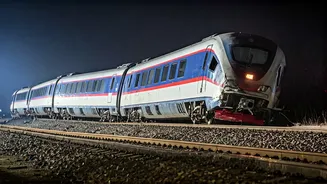
The devastating accident took place on a Sunday evening, when a train operated by Iryo, en route from Malaga to Madrid, derailed and veered onto the opposite track. This train then collided with an oncoming train, also operated by Renfe, the national rail operator. The collision occurred near Adamuz, creating a scene of widespread destruction. Witnesses described the sudden impact and the chaos that followed, with carriages twisted and some tumbling down a four-meter embankment. The force of the impact caused considerable injuries, with passengers thrown about, resulting in a large number of casualties. Rescue efforts were further hampered by the tangled wreckage and difficult terrain, adding to the challenges faced by emergency crews.
Witness Accounts Emerge
Survivors of the tragedy recounted the harrowing moments of the crash, offering glimpses into the chaos and the personal experiences of those involved. One survivor, who was traveling on the first train that derailed, described the scene as akin to a 'horror movie.' Another passenger on the second train recounted the sudden darkness and jolt before the train came to a complete stop. Passengers recounted the trauma they experienced. Passengers reported seeing injured fellow passengers and the distress of children. Their accounts painted a vivid picture of the sheer magnitude of the impact and the desperate struggle for survival. The accounts were instrumental in helping officials gain a better understanding of what happened and provide context for rescue operations.
Challenges for Rescuers
Emergency services faced significant challenges at the crash site as they worked to rescue survivors and retrieve the deceased. The twisted metal of the derailed carriages and the hazardous terrain complicated rescue efforts. Firefighters and other responders worked diligently to free trapped individuals, some of whom were still alive. The challenges they faced were compounded by the precarious position of some of the carriages, which had tumbled down an embankment. The complex task involved removing debris to reach those still alive. The situation at the scene underscored the intensity of the event, with rescuers navigating dangerous conditions and the wreckage that was made worse by the crash.
Political & Social Response
The train disaster prompted an immediate and widespread response from political and social figures, with the nation expressing grief and solidarity. The Prime Minister and other high-ranking government officials expressed condolences and pledged support for the affected families and communities. King Felipe VI and Queen Letizia of Spain also conveyed their concern and offered condolences. European Commission chief Ursula von der Leyen and French President Emmanuel Macron were among the world leaders who offered their support and sympathy. The incident also led to the suspension of high-speed train services between major cities, including Madrid and the affected regions, disrupting travel and highlighting the significant impact of the accident on daily life.
Investigation Underway
In the wake of the devastating collision, the authorities are conducting a comprehensive investigation to ascertain the cause of the disaster. The investigation is particularly focused on understanding the circumstances surrounding the derailment, collision, and all contributing factors. Rail experts expressed their surprise at the incident, describing it as 'extremely strange' given the safety features and infrastructure in place. The investigation will also examine the condition of the track, the maintenance of the trains involved, and any possible human factors. The findings of the investigation will be critical in preventing similar tragedies and ensuring the continued safety of Spain's extensive high-speed rail network.