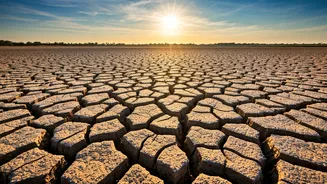

Defining Water Bankruptcy
The term "water bankruptcy" describes a dire situation where natural water systems, including rivers, lakes, glaciers, and underground aquifers, are being
depleted at an unsustainable rate. This depletion occurs much faster than nature can replenish these vital resources. Experts have noted a dramatic shift in perspective, moving away from simply describing water shortages to acknowledging the more irreversible damage happening to global water reserves. Traditional approaches to water management have become inadequate in addressing the current crisis. The UN's findings suggest that nearly 4 billion people, representing almost half of the world's population, experience severe water scarcity for at least one month annually. This underscores the widespread nature of the issue and the urgent need for comprehensive solutions.
Understanding The Crisis
For years, the international community has warned about impending water shortages. However, the current reality transcends mere scarcity, revealing a more critical scenario. Water bankruptcy represents a failure of natural systems to recover from water extraction and pollution. The UN's analysis highlights the irreversible damage being inflicted on water sources worldwide. This includes the over-extraction of water from rivers and aquifers for agricultural, industrial, and domestic uses, as well as the pollution of these sources with industrial and agricultural runoff, and untreated sewage. The combination of these factors is accelerating the depletion of water resources. The consequences are far-reaching, from disrupting ecosystems and biodiversity to threatening food security and human health. This crisis demands a complete reassessment of current water management strategies and the development of new solutions.
Global Impacts of Bankruptcy
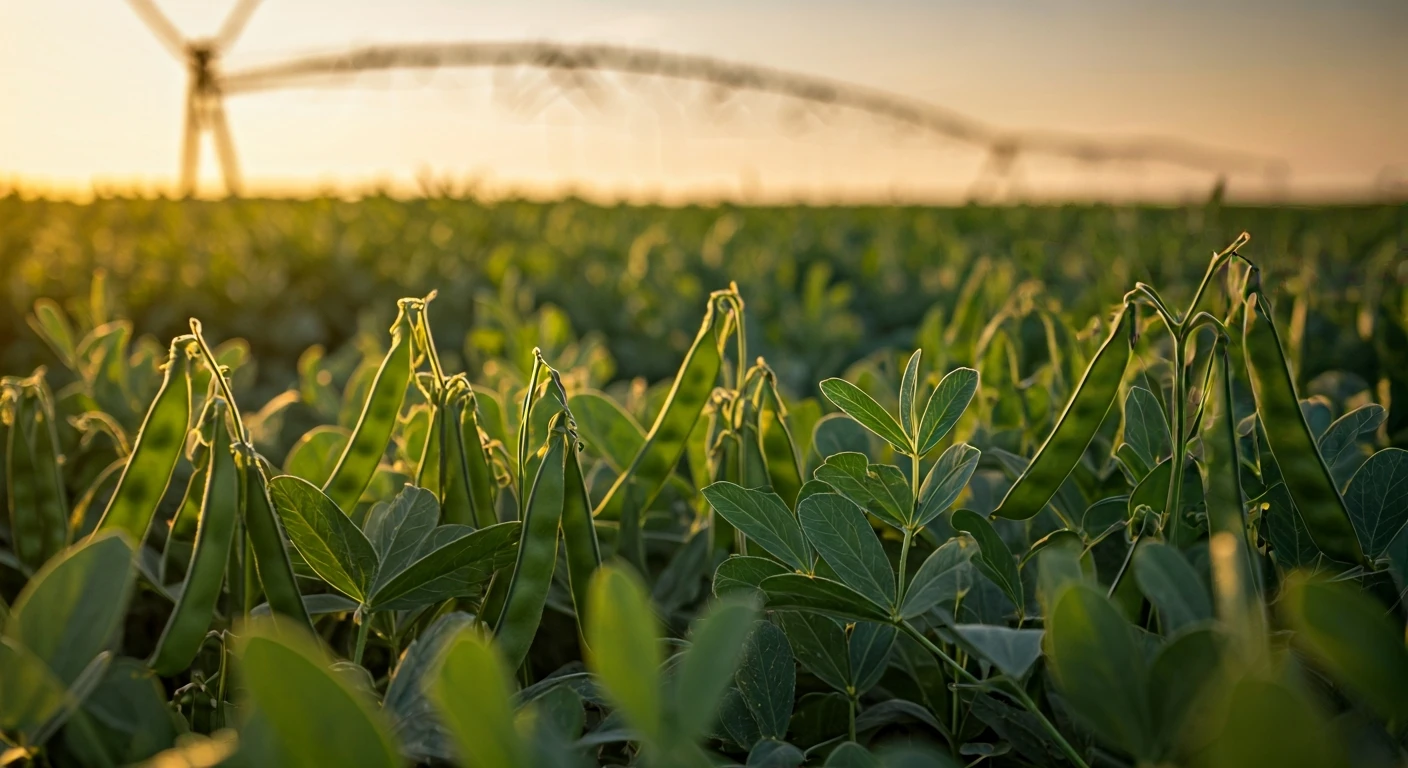
The implications of global water bankruptcy are extensive and affect all aspects of human life and the environment. Ecosystems are suffering greatly as rivers and lakes dry up, damaging the wildlife. Agriculture, a significant consumer of water, faces production declines, threatening food security for millions. Furthermore, human health is at risk because of inadequate access to clean water for drinking, sanitation, and hygiene. Water scarcity can also cause social unrest and conflict, particularly in areas already facing instability. Compounding these problems is the impact of climate change, with rising temperatures and altered precipitation patterns exacerbating the situation. This results in prolonged droughts, more frequent floods, and the melting of glaciers, all of which contribute to the depletion of water resources and further stress on the planet.
What Happens Next?
Addressing water bankruptcy requires immediate, multifaceted action on a global scale. This includes improving water management practices, such as more efficient irrigation techniques in agriculture and promoting water-saving technologies in industry and homes. Reducing water pollution through better waste management and wastewater treatment is also crucial. Implementing regulations to manage water use more sustainably is vital. Furthermore, international cooperation is essential to share knowledge, provide financial assistance, and coordinate responses to water crises. Educating the public about the importance of water conservation and the impact of individual actions is equally important. Investing in research and development to find innovative solutions, such as desalination and water recycling, will be essential for creating a sustainable water future. The global community must act now to reverse the trends and prevent further irreversible damage.