






Sleep's Dire Impact
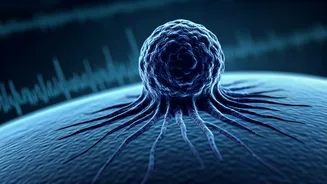
Biohacker Bryan Johnson has brought a startling health statistic to the forefront: a single night of inadequate sleep is associated with a 72% increase
in cancer risk. He emphasizes that when sleep is compromised, particularly to just 4 hours, the immune system's ability to detect and neutralize cancer cells diminishes significantly. This isn't an isolated incident; regularly experiencing poor sleep, even with the intention of 'catching up' later, places a prolonged strain on the body's essential functions. Johnson further warns that insufficient sleep doesn't solely elevate cancer risks; it can also make individuals 400% more susceptible to general illness, with recovery from even one night of poor rest potentially taking years. This highlights the profound and often underestimated role of consistent, quality sleep in maintaining robust health and resilience against disease, urging a serious reconsideration of sleep habits for long-term well-being.
Body's Renewal Process
During sleep, our bodies engage in vital restorative processes that are essential for maintaining health and preventing disease. As explained by Dr. Sibasish Dey, sleep cycles are characterized by shifts between REM (rapid eye movement) and NREM (non-rapid eye movement) stages. The REM stage is crucial for memory consolidation, helping our brains process and store information. Meanwhile, the NREM stage, particularly the deep 'slow wave sleep' phase, is dedicated to biochemical renewal. This critical period allows the body to repair tissues, clear metabolic waste, and restore cellular function. Disruptions to these sleep stages can compromise these restorative functions, potentially impacting the body's ability to fight off diseases like cancer. The intricate balance of sleep stages underscores why consistent and uninterrupted sleep is fundamental to our overall physiological well-being.
Hormonal and Immune Links
The connection between sleep and cancer risk is multifaceted, involving critical hormonal and immune system pathways. Dr. Pooja Babbar elaborates that a lack of sleep directly depresses the immune system, leading to long-term adverse effects. This suppression manifests as changes in cytokine and inflammatory marker production, creating an environment that can increase cancer susceptibility. Furthermore, insufficient sleep leads to reduced melatonin levels. Melatonin, a hormone produced during darkness, plays a significant role in inhibiting cancer cell proliferation and suppressing the early stages of tumor formation. When sleep is disturbed, the body's natural melatonin production is hampered, thus diminishing its cancer-fighting capabilities. This intricate interplay highlights how vital adequate sleep is for maintaining a strong defense against the development and progression of cancer.
Stress, Appetite, and Rhythm
Beyond hormonal and immune effects, sleep deprivation is intimately linked with chronic stress, which itself is a recognized factor in cancer progression. Dr. Babbar notes that poor sleep can exacerbate stress levels, contributing to conditions like depression, a common comorbidity in cancer patients. Additionally, sleep disturbances profoundly alter appetite-regulating hormones, often leading to increased hunger and a higher propensity for obesity. Given that obesity is a direct risk factor for several types of cancer, this hormonal imbalance creates a concerning cycle. The body's natural circadian rhythm, which governs sleep-wake patterns, is also disrupted by lack of sleep. This disruption can promote mitosis and tumor proliferation, further increasing cancer risk. The interconnectedness of these factors—stress, appetite regulation, and circadian rhythm—underscores the pervasive influence of sleep on our overall health.
Treatment and Recovery
For individuals undergoing cancer treatment, sleep disturbances can significantly impede their journey to recovery. Dr. Dey points out that factors such as pain, treatment side effects like gastrointestinal issues, and the psychological toll of anxiety and depression can all contribute to sleep problems. Furthermore, medications, including painkillers, can induce drowsiness, paradoxically making restful sleep difficult. Dr. Walia emphasizes that a loss of circadian control can diminish the effectiveness of anti-cancer treatments and may even lead to an increased risk of early mortality. For patients who survive cancer, a disrupted sleep cycle can also heighten the chance of recurrence. Thus, addressing sleep-related issues is not merely about comfort but is a critical component of comprehensive cancer care, impacting treatment efficacy and long-term prognosis.