



Four Generations Under One Roof
Ghazal and Varun Alagh, the visionaries behind Mamaearth, have crafted a Delhi residence that's far from a sterile showpiece; it's a dynamic, lived-in
environment that cherishes the presence of four generations. This unique dwelling houses their grandmother, parents, themselves, and their two young children, creating a rich tapestry of family life. Ghazal emphasizes that the beauty of their home lies in its imperfections, pointing out the everyday signs of family activity like occasional wall marks or minor wear and tear. This home holds profound sentimental value as their very first shared residence, marking the culmination of years spent in various rented accommodations while building their careers. Rather than acquiring a pre-finished property, the Alaghs meticulously designed and built their home piece by piece, consistently contemplating how each addition could enhance their collective well-being and daily routines.
Conversational Living Spaces
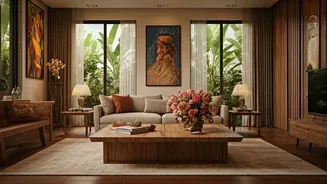
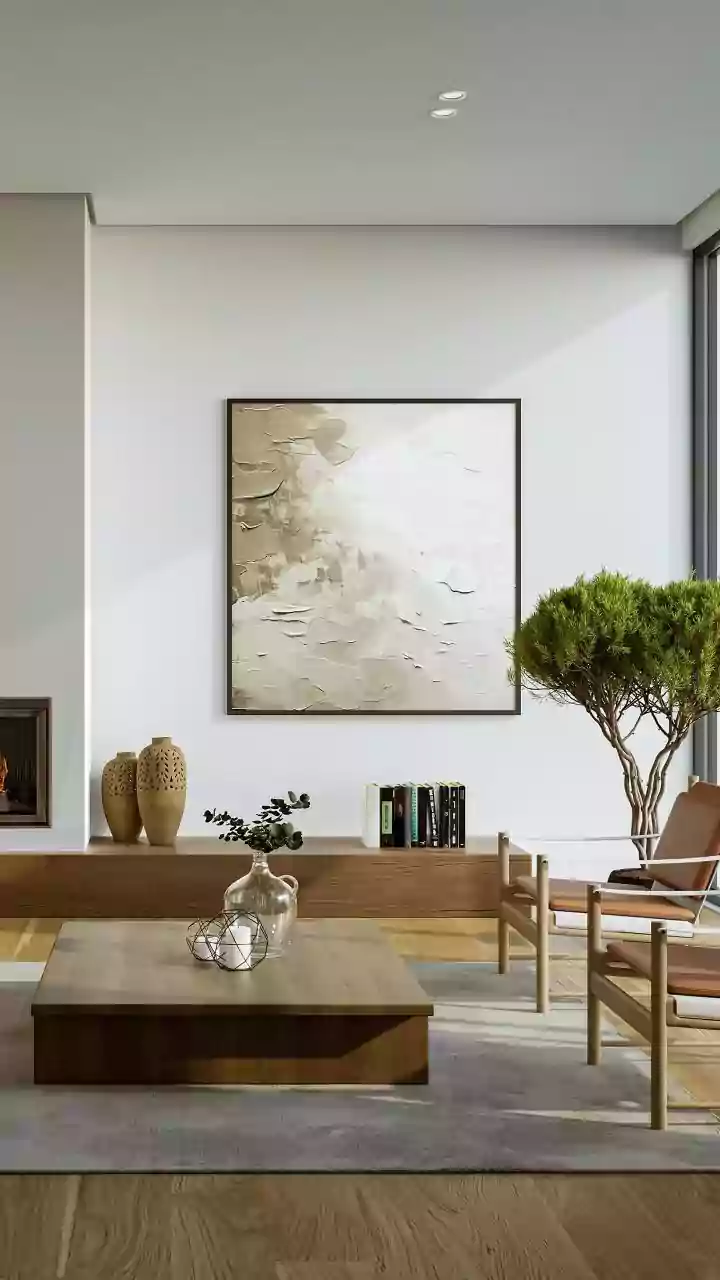
The Alaghs prioritized an open and fluid design philosophy, particularly evident in their drawing room, intended to foster effortless conversations. Instead of a formal, fixed arrangement, the space features diverse seating options and varied shapes, encouraging natural dialogue and the organic evolution of discussions. This area has become a vibrant hub for numerous evenings filled with laughter and shared stories with both friends and family. Ghazal highlights that even sensitive discussions can take place comfortably here, believing such environments empower individuals to connect more deeply and express themselves openly with loved ones. The house minimizes internal walls, promoting an airy and adaptable layout. This design choice is also highly practical, catering to the energetic lifestyles of their two sons and their beloved beagle, ensuring ample space for them to play freely without disruption.
Nature's Palette
The interior design palette of Ghazal and Varun Alagh's home is deeply influenced by nature, featuring a prominent use of earthy tones like beige and various shades of green. For Ghazal, green transcends mere aesthetic preference; it's intrinsically linked to their brand's identity, appearing consistently across their logo, home decor, and even their dining furniture. This ubiquitous green creates a sense of tranquility while subtly reinforcing their business's core philosophy. The decor is further enriched by an eclectic collection of objects acquired during their global travels. Interestingly, many of these mementos are found in pairs, a pattern the couple hadn't intentionally planned but which Ghazal interprets as a symbolic representation of their shared journey and the concept of building a life together, side by side.
Heart of the Home
The family room and dining area serve as the vibrant core of the Alagh residence, embodying the essence of relaxed, everyday living. This is where informal dinners and casual family catch-ups are a regular occurrence. Engaging in board games, such as chess and tic-tac-toe, which are permanently set up on tables, forms an integral part of these cherished moments. Ghazal describes this space as a sanctuary for connecting with their children, sharing laughter, and recounting their daily experiences. Unlike more formal dining settings, this area is intentionally designed for comfort and ease, allowing the family to fully unwind without the pressure of maintaining a flawless appearance.
Ghazal's Artistic Touch
Art plays a significant role in defining the character of the Alagh household, with Ghazal's own paintings adorning many of the walls. These artworks inject bold splashes of color and meaningful symbolism into the interiors. Ghazal, who once seriously pursued painting and received training at the prestigious New York Academy of Art, imbues her work with themes of resilience, abundance, and positive energy. She describes her creations as expressions of 'life, variety, strength, and prosperity.' Several pieces depict paired figures or animals, such as birds and horses, which she feels represent love, fortitude, and vitality within their home. Although business demands limit her painting time, these artworks serve as a constant and cherished reminder of her creative spirit.
A Collector's Corner
One particularly favoured spot for Varun Alagh is the dedicated home bar, a space where he enjoys entertaining friends. This area also functions as a personal chronicle of their travels, featuring a collection of shot glasses, each representing a unique city they have visited. This ritual of collecting a glass from every new destination has created a vibrant display of memories from across the globe, now numbering over 50. Beyond the bar, the couple's study and library house a substantial portion of Varun's extensive book collection. Remarkably, Varun's serious engagement with reading began relatively late, at the age of 22, and he estimates he has since delved into approximately 4,000 books.
The Wall of Pride
Within the study, a profoundly meaningful feature is the 'Wall of Pride.' This dedicated space serves as a visual testament to their entrepreneurial journey, showcasing key milestones that remind them of their accomplishments and the progress they've made. Ghazal clarifies that this display is not intended for external admiration but as a personal affirmation for themselves and their family. It serves as a constant source of motivation, a reminder of their collective hard work and the reasons behind their dedication, reinforcing their vision and drive.
A Tranquil Balcony Vista
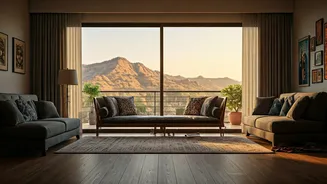
Despite its modest size, the balcony stands out as one of the most treasured spaces within the Alaghs' home. Adorned with lush plants and vibrant cushions, it offers an unobstructed panorama of the Aravalli hills. This serene spot provides a peaceful sanctuary for the couple to begin their mornings with a quiet cup of coffee. Varun notes that this balcony has been the backdrop for countless important conversations over the years, encompassing everything from navigating challenges and stresses to expressing gratitude and celebrating triumphs. He finds that the expansive view of the natural landscape serves as a constant, grounding reminder of life's broader perspective, placing individual problems in a larger, more manageable context.