






Understanding Hantavirus
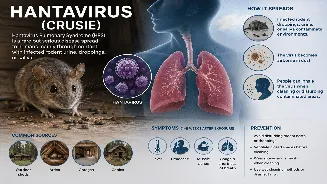
Hantaviruses represent a group of viruses primarily transmitted to humans through contact with infected rodents. These viruses can manifest in two distinct
and serious illnesses: Hantavirus Pulmonary Syndrome (HPS) and Hemorrhagic Fever with Renal Syndrome (HFRS). While HPS, a severe and potentially fatal respiratory condition, is known to occur in North America, HFRS is prevalent in Europe and Asia, often leading to kidney complications. Transmission typically occurs via inhaling contaminated dust from rodent urine, feces, or saliva, or through direct rodent bites. Though person-to-person transmission is exceptionally rare for most hantaviruses, certain strains, like the Andes virus, present a notable exception, as evidenced by the recent cruise ship incident. The virus can remain viable in the environment, posing a risk when rodent-infested areas are disturbed or cleaned without proper precautions.
Cruise Ship Outbreak Details
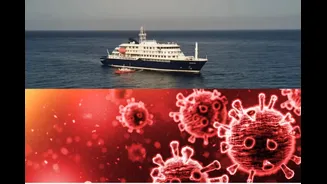
An alarming hantavirus outbreak aboard the MV Hondius cruise liner, bound for Antarctica, brought the rare Andes strain into the spotlight. The cluster of cases and fatalities, beginning with the death of a 70-year-old Dutch man on April 11, raised immediate alarms. Subsequent deaths, including his wife and a German passenger, were confirmed. Health authorities identified the Andes virus strain in at least two passengers, a notable strain because of its potential for rare human-to-human transmission, primarily identified in Argentina and Chile. Passengers who had disembarked earlier in the journey were also monitored, although they had not initially shown symptoms. The ship's voyage from Argentina across the Atlantic to Cape Verde became the focus of intense epidemiological investigation.
Symptoms and Severity
The Andes strain of hantavirus can lead to Hantavirus Pulmonary Syndrome (HPS), a condition that begins insidiously. Initial symptoms often include profound fatigue, fever, generalized muscle aches, persistent headaches, and dizziness. These early indicators can progress rapidly to severe respiratory distress, characterized by breathing difficulties that necessitate immediate medical intervention. The mortality rate for this particular strain is alarmingly high, ranging between 20% and 40%, underscoring the seriousness of HPS. Early diagnosis and supportive care are critical in managing the disease, though there is no specific antiviral treatment available for hantavirus infections.
Tracing the Source
Investigating the precise origin of the hantavirus outbreak on the cruise ship has been a complex undertaking. The virus's incubation period, which can extend up to eight weeks, means infections could have been contracted prior to boarding, during excursions in regions like Patagonia and Ushuaia in Argentina, or while on the vessel itself. Argentine officials have been meticulously tracing the movements of infected individuals, particularly in Ushuaia, a city at the southern tip of South America. It's suspected that the Dutch couple may have encountered the virus during a bird-watching excursion in this area. Climate change is also cited as a potential contributing factor, leading to a more tropical environment in Argentina that supports rodent proliferation, consequently increasing hantavirus cases, with a significant rise noted in the country's northern regions.
Detection and Response
The hantavirus outbreak was brought to light when health officials in South Africa began investigating a British passenger who was critically ill and testing negative for other common diseases. A positive hantavirus diagnosis was confirmed approximately 21 days after the first death on board. This pivotal finding prompted the World Health Organization (WHO) to launch an investigation into the suspected outbreak linked to the ship, which had by then reached waters near Cape Verde. Following the British passenger's diagnosis, South African authorities tested the Dutch woman who had died after disembarking, and her results also returned positive. Subsequently, Swiss authorities confirmed hantavirus infection in another passenger who had disembarked. In response, passengers aboard the ship were confined to their cabins, with isolation measures, contact tracing, and monitoring protocols implemented, mirroring strategies used during the COVID-19 pandemic.