
Acidification's Silent Toll
Ocean acidification, a direct consequence of increased carbon dioxide absorption by seawater, is silently reshaping the marine environment. This process
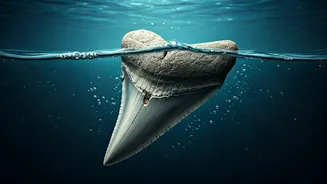
has significant implications, and one of the most concerning is its effect on the skeletal structures of marine organisms. Shark teeth, composed of calcium phosphate, are particularly vulnerable. As the ocean's pH decreases (becomes more acidic), it becomes more difficult for sharks to maintain the integrity of their teeth. The acid interacts with the calcium phosphate, leading to erosion and weakening. This process not only affects sharks' ability to feed but also their overall health and survival, setting off a chain reaction in the marine ecosystem.
Teeth: The Shark's Weapon
Shark teeth are essential tools, vital for their survival. They are used for capturing prey, tearing flesh, and defending against threats. Sharks constantly shed and replace their teeth throughout their lives, a continuous process ensuring sharp and effective hunting capabilities. The weakening of these teeth due to acidification would severely affect sharks' hunting efficiency. Imagine a lion whose claws are constantly dulled or a wolf whose teeth are brittle—they would struggle to secure food and compete for resources. This struggle impacts the sharks' health and energy levels, their reproductive success, and their ability to avoid predators. The loss of hunting prowess can lead to a decline in the shark population, which further disrupts the natural balance of the marine environment.
Ripple Effects in Ecosystems
The impact of ocean acidification extends far beyond the individual shark. Sharks, as apex predators, play a critical role in maintaining the health and balance of marine ecosystems. By controlling prey populations, they prevent overgrazing and maintain biodiversity. If shark populations decline due to weakened teeth and impaired hunting capabilities, the consequences could be devastating. For example, populations of their prey, such as fish and other marine animals, could explode, leading to overconsumption of resources and disruption of food webs. Furthermore, the decline of sharks could have cascading effects on the health of coral reefs, seagrass beds, and other critical habitats, as the entire ecosystem struggles to find equilibrium without a vital predator.
Beyond Sharks: Broader Impacts
While sharks are a key focus, ocean acidification affects numerous other marine organisms. Shellfish, corals, and plankton, which also rely on calcium carbonate to build their shells and skeletons, face similar challenges. The rising acidity makes it difficult for these organisms to build and maintain their protective structures. These organisms are the base of the marine food web, and their decline would have ripple effects throughout the entire ecosystem. Moreover, the long-term impact on the marine environment goes far beyond a single species. Ocean acidification, if left unchecked, has the potential to alter the composition and function of entire marine ecosystems, threatening biodiversity and the essential services the oceans provide, such as climate regulation and food security.