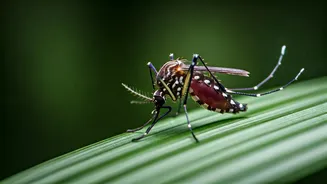







Chikungunya: The Basics
Chikungunya is a viral ailment transmitted solely through the bites of infected Aedes mosquitoes. Its name, derived from a local term meaning "to bend
up," aptly describes the intense joint pain it frequently causes. While there isn't a specific cure, individuals typically recover with supportive treatments like rest, adequate hydration, and pain management. The illness typically manifests 3 to 7 days post-mosquito bite, presenting with symptoms such as a sudden high fever, severe pain in the joints (particularly hands and feet), headaches, muscle aches, fatigue, a distinctive rash, and feelings of nausea. A significant concern is that the joint pain can persist for weeks, months, or even years after the initial infection, impacting long-term well-being and mobility for those affected.
CDC Advisory Explained
The Centers for Disease Control and Prevention (CDC) has issued a Level 2 travel advisory for Seychelles, which translates to "Practice Enhanced Precautions." This notification is not a travel prohibition but rather a strong recommendation for visitors to implement measures to minimize their exposure and risk of contracting Chikungunya. While the borders remain open and travel is still permitted, the CDC urges travelers to remain informed and vigilant. The advisory specifically highlights that while general travel is safe with precautions, certain groups, including pregnant women, older adults, and individuals with pre-existing health conditions like diabetes or heart disease, might face a higher risk of experiencing more severe symptoms should they contract the virus. Consulting a healthcare provider is especially recommended for these vulnerable traveler categories.
Travel Safety Tips
To ensure a safe and healthy trip to Seychelles, proactive measures are paramount. It is essential to consistently use effective mosquito repellent on all exposed skin and wear protective clothing, such as long-sleeved shirts and trousers, especially during dawn and dusk when mosquitoes are most active. Opting for accommodations located in areas with reduced mosquito populations can also significantly lower your exposure risk. If recommended and available, consider seeking vaccination against mosquito-borne diseases after consulting with a health professional. For those who have already booked their travel and are comfortable proceeding while taking precautions, diligently adhering to these CDC safety guidelines is crucial. If you develop symptoms like fever, severe joint pain, or rash during or after your visit, seek immediate medical attention.