
Khamenei's Strong Rebuke
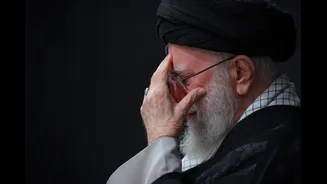
Ayatollah Ali Khamenei, the Supreme Leader of Iran, recently delivered a strong message, cautioning against what he termed 'deceitful actions.' His statement
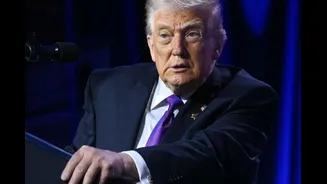
was particularly significant as it coincided with considerations within the Trump administration regarding potential airstrikes. Although specific details about the nature of these 'deceitful actions' were not explicitly defined in the initial reports, the context clearly indicates a serious concern about the strategies and intentions of opposing forces. The leader's stance is seen as a direct signal of Iran's resolve and a potential deterrent against aggressive actions from external entities. The timing of Khamenei's warning is noteworthy, appearing during a period of escalating tensions in the region. This demonstrates a proactive approach aimed at safeguarding national interests and reinforcing Iran's position on the international stage. His words underscore the delicate balance of power and the intricate diplomatic dance that often characterizes international relations, especially in volatile regions.
Airstrikes Under Scrutiny
The consideration of potential airstrikes by the Trump administration introduced a significant layer of complexity to the existing situation. Such actions would represent a severe escalation, carrying considerable risks and consequences. The contemplation of airstrikes also highlights the delicate decision-making processes that occur at the highest echelons of power. Such decisions are influenced by numerous factors, including intelligence assessments, geopolitical considerations, and potential ramifications. Furthermore, the deliberations underscore the high stakes involved in international conflicts and the potential for unintended escalations. The international community, as well as observers from the IN, closely monitored the situation, with many hoping for a diplomatic resolution to prevent further violence. The prospect of airstrikes sparked intense debate and deliberation within various circles, including the media, international organizations, and government entities. The potential ramifications of such an intervention would extend far beyond the immediate region, thereby affecting the stability of the global landscape.
The Mounting Casualties
One of the most tragic facets of this situation was the reported loss of life, with over 600 deaths documented. This staggering number served as a stark reminder of the human cost associated with conflict and instability. This tragic loss of life was a clear indication of the gravity of the situation and the urgent need for a peaceful resolution. The increasing number of casualties had a profound impact on the affected communities and the wider world, raising concerns about human rights and the humanitarian crisis. The high death toll brought significant pressure on the involved parties to de-escalate the situation and initiate constructive dialogues. The immense human suffering amplified calls for diplomatic interventions and promoted a sense of urgency to alleviate the tragic circumstances. This aspect of the situation underscored the immediate need for a resolution that would safeguard lives and prevent further escalation of violence.
Regional and Global Impacts
The events occurring between Iran and the United States, including the potential for airstrikes, held significant implications extending beyond the immediate geographical region. These international dynamics have broad implications for the stability of the Middle East, a region already grappling with several complex challenges. The impact of escalating tensions can be felt across the global landscape, particularly concerning international trade, energy markets, and diplomatic relations. Any form of military confrontation between the US and Iran would introduce additional instability to the already fragile geopolitics of the region. This is likely to lead to potential shifts in alliances, and could trigger ripple effects that will be felt worldwide. Various international organizations, including the United Nations, had a crucial role in monitoring the situation and attempting to mediate to prevent further escalation and potential destabilization of the region.
The Road Ahead
Moving forward, the situation between Iran and the United States demands careful consideration and strategic diplomacy. It is critical for all stakeholders to prioritize peaceful resolutions and to avoid actions that may result in escalation. The international community, and the global diplomatic community, needs to play a pivotal role in mediating any ongoing or future disputes, and providing all parties with a platform for dialogue. It's imperative that channels for open communication remain active, so that parties can avoid any potential misunderstandings. Sustained efforts toward de-escalation are essential to avoid further loss of life and the exacerbation of regional instability. A balanced strategy that focuses on diplomacy, deterrence, and de-escalation can offer the best path to resolving the crisis.