







Harmful Smoking & Vaping
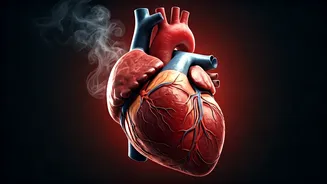
Engaging in smoking or vaping habits poses a significant threat to your body's aging trajectory, according to cardiovascular surgeon Dr. Jeremy London.
He emphasizes that the detrimental effects of these practices permeate nearly every organ system, impacting not just outward appearance but also overall longevity. Even infrequent exposure can subtly diminish your lifespan and vitality. The constant inhalation of harmful substances triggers widespread inflammation and oxidative stress, damaging cells and accelerating the wear and tear on your body's vital components. This damage compounds over time, leading to premature aging and a heightened risk of various health complications, underscoring the critical importance of quitting these habits for maintaining long-term health and youthful vigor.
The Sedentary Trap
Our bodies are inherently designed for movement, yet prolonged periods of inactivity, even when interspersed with exercise, can negatively impact biological aging. Spending six to eight hours daily sitting can affect critical bodily functions like glucose metabolism and mitochondrial health. Mitochondria, the powerhouses of our cells, become less efficient with prolonged stillness, leading to a decline in energy production and an increase in cellular damage. This lack of movement hinders the body's natural processes, contributing to a faster aging rate and potentially increasing the risk of chronic diseases. Prioritizing regular movement throughout the day, even short breaks from sitting, is crucial for maintaining cellular vitality and slowing down the aging process.
Unmanaged Stress Toll
Chronic, unmanaged stress, whether stemming from emotional turmoil or persistent financial worries, acts as a powerful accelerator of the aging process. When stress becomes a constant companion, the body inundates itself with hormones like cortisol. Sustained high levels of these stress hormones wreak havoc on overall health, contributing to inflammation, disrupting sleep patterns, and impairing cognitive function. This prolonged exposure to stress hormones can accelerate cellular damage and hinder the body's natural repair mechanisms, leading to visible signs of aging and an increased susceptibility to illness. Developing effective stress management techniques is therefore vital for preserving youthfulness and promoting long-term well-being.
Sleep Deprivation's Cost
Adequate sleep is an indispensable pillar of health, serving as the primary period for the body's recovery and repair processes. When sleep is insufficient or of poor quality, these crucial restorative functions are significantly compromised. Poor sleep directly impairs the body's ability to repair DNA, a fundamental process for cellular health and longevity. Furthermore, it disrupts the delicate balance of hormone regulation, impacting everything from mood and metabolism to growth and repair. The disruption of circadian rhythms, our internal biological clocks, also leads to an imbalance in gene expression, further contributing to accelerated aging. Prioritizing quality sleep is therefore essential for optimal bodily function and slowing the aging process.
Obesity and Diet Dangers
Obesity and an imbalanced diet are two of the most significant drivers behind accelerated biological aging, often through the mechanisms of chronic inflammation and cellular damage. Excess body fat, particularly visceral fat surrounding internal organs, is a hotbed for inflammation, escalating the risk of insulin resistance and metabolic dysfunction. This persistent inflammatory state damages tissues and organs, hastening the aging process at a cellular level. A diet rich in processed foods, unhealthy fats, and sugars further exacerbates these issues, contributing to oxidative stress and hindering the body's ability to repair itself. Adopting a healthy, balanced diet and maintaining a healthy weight are therefore critical steps in mitigating accelerated aging and promoting cardiovascular health.