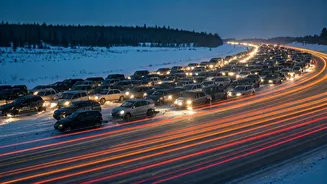

The Blizzard's Fury
The root cause of the pile-up was a severe snowstorm that blanketed Michigan, drastically reducing visibility and making roads treacherous. The intense
snowfall, coupled with high winds, created blizzard-like conditions, leading to whiteout scenarios where drivers struggled to see the road ahead. As the snow accumulated, the roadways became icy, reducing tire grip and increasing the risk of skidding and loss of control. The combination of these factors turned a routine commute into a high-stakes situation. The weather rapidly deteriorated, catching many drivers off guard and significantly hindering their ability to react appropriately to the evolving conditions. The storm’s intensity led to multiple crashes, compounding the problem as each accident further obstructed traffic flow and created a chain reaction of collisions.
Massive Collision Unfolds
As conditions worsened, a chain reaction of collisions began to unfold across multiple stretches of highway. Reports indicate that over 100 vehicles were involved, ranging from passenger cars to larger commercial trucks. The initial crashes likely occurred due to drivers encountering sudden hazards, such as ice patches or reduced visibility, causing them to lose control. Following the initial accidents, vehicles behind them were unable to stop in time, leading to subsequent impacts. The sheer number of vehicles involved made the scene chaotic and difficult to navigate for first responders. Emergency services faced significant challenges in accessing the accident sites, which were often spread out over considerable distances. The extensive damage to vehicles and the potential for injuries and fatalities underscored the gravity of the situation. Debris from the accidents further complicated rescue efforts and increased the risk of secondary collisions.
Immediate Response Efforts
Following the pile-up, a coordinated response was launched by emergency services, including police, fire departments, and ambulance crews. The primary goal was to rescue anyone trapped in their vehicles and provide medical assistance to the injured. Due to the scale of the incident, rescue operations were complex and time-consuming. First responders worked tirelessly in adverse weather conditions, navigating through wreckage and potential hazards. Efforts were also focused on securing the accident scene, setting up detours to divert traffic, and preventing further collisions. Tow trucks were dispatched to clear the damaged vehicles, a process that required considerable time due to the volume of vehicles involved. Simultaneously, authorities began investigations to determine the causes of the accidents and to assess any contributing factors, such as vehicle speeds and road conditions. Hospitals were prepared to receive a surge of patients, and the incident significantly strained local emergency resources.
Impact and Aftermath
The massive pile-up had a wide-ranging impact, disrupting transportation and causing significant delays for drivers. Road closures remained in effect for an extended period, leading to traffic congestion on alternative routes and causing frustration for commuters. The accidents resulted in extensive damage to vehicles, ranging from minor dents to complete destruction. More importantly, the incident raised serious safety concerns, with many people experiencing injuries, ranging in severity from minor injuries to potentially life-threatening conditions. Additionally, the event served as a reminder of the importance of safe driving practices, especially during adverse weather. Public officials and transportation authorities launched reviews to assess the incident, seeking to identify any systemic issues or areas for improvement. Subsequent discussions centered on enhancing road safety measures, such as implementing stricter speed limits during snowstorms and improving public awareness of the dangers of winter driving.
Lessons in Winter Safety
The Michigan pile-up underscored the importance of proactive safety measures when driving in winter weather. Drivers must stay informed about weather forecasts and avoid unnecessary travel during severe snowstorms. Before setting out, ensure the vehicle is prepared for winter conditions, including checking tire pressure, fluid levels, and ensuring that headlights, taillights, and defrosters are functioning correctly. Drivers should always adjust their speed to match road conditions, reducing speed significantly when encountering snow, ice, or reduced visibility. Maintaining a safe following distance is essential to provide adequate time to react to sudden stops. It's crucial to be prepared for the unexpected; keeping an emergency kit in the vehicle, containing items such as a first-aid kit, blankets, a flashlight, and extra food, can prove invaluable in case of a breakdown or accident.