





Greenland's Controversial Interest
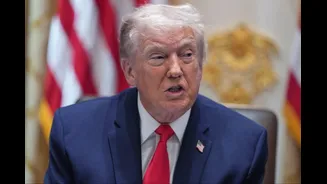
The crux of Trump's address revolved around Greenland, a self-governing territory of Denmark. He openly questioned Denmark's decision to maintain control
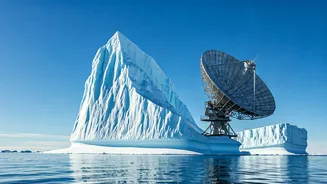
of the island, suggesting that the United States should have retained it. Trump's fascination with Greenland isn't new; previously, he had proposed purchasing the island, a suggestion that was met with widespread derision. This time, his Davos statements highlighted his persistent interest in the region and his strong opinions on its strategic significance. His remarks about Greenland, therefore, were not merely a casual comment, but a reiteration of a long-held belief regarding the island's value and how it should be managed on a global scale.
EU and NATO Criticism
Beyond Greenland, Trump also directed criticism toward the European Union and NATO allies. He implied a lack of resolve on their part, famously stating, "EU won't push back". This criticism was further emphasized by Trump's alteration of a US map to include Greenland, which seemed designed to mock European unity and highlight the US’s perceived dominance. These pronouncements echoed his previous critiques of NATO, where he had voiced dissatisfaction over the financial contributions of member states. The general sentiment he conveyed was one of skepticism about the alliance and a belief that the US carried a disproportionate burden.
Context of the Summit
The World Economic Forum in Davos provided the setting for Trump's statements, which undoubtedly added another layer of complexity. The summit is a platform where world leaders, business executives, and other influential individuals gather to discuss global issues. Trump's appearance, and the manner in which he chose to address the audience, was in line with his customary approach of directly challenging established norms and expressing bold opinions. This made his speech a point of discussion. The event itself served as a stage for his opinions and allowed him to amplify his perspective on international relations and key geopolitical issues.
Reactions and Implications
Trump's comments did not go unnoticed, sparking varied reactions across the political spectrum. Some critics interpreted his remarks as a sign of isolationism and a departure from international cooperation, while others viewed them as a deliberate effort to provoke discussion and challenge the status quo. His words also inevitably raise questions about the future of transatlantic relations and the possible implications of a more assertive US foreign policy. The implications extend to the potential for shifts in global power dynamics. The reactions and discussions serve as evidence of Trump's continued ability to influence the global stage even after leaving office, and the repercussions of his statements continue to be assessed.