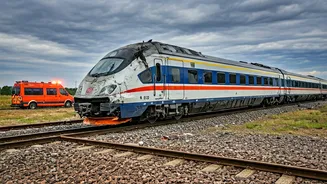

Initial Impact and Chaos
The high-speed train's derailment was immediately followed by a collision with another train, setting off a chain of events that would leave a lasting
mark. The crash resulted in a chaotic scene with wreckage and the urgent cries of the injured. Emergency services were immediately dispatched to the site to rescue survivors and provide medical assistance. The collision's intensity and suddenness resulted in a scene of devastation, making rescue efforts complex and emotionally challenging. The incident quickly drew widespread attention, with news agencies reporting on the evolving disaster. The speed of the train and the force of impact contributed to the scale of the damage and the number of casualties. The chaos underscored the urgent need for a coordinated response to minimize the further loss of life and provide critical aid. The rapid response from various emergency teams was essential in providing aid and relief.
Casualties and Injuries
The aftermath of the train crash brought a devastating tally of casualties, highlighting the severity of the accident. Sadly, the disaster resulted in 39 fatalities, a stark reflection of the accident's destructive power. The number of injured exceeded 100 individuals, many of whom required immediate medical care. The injured were treated at the site and transported to nearby hospitals, where medical staff worked tirelessly to provide support. The severity of injuries varied, ranging from minor wounds to life-threatening conditions. The immediate priority was to stabilize the injured and provide the necessary medical support. As the rescue operations continued, the number of casualties remained a grim reminder of the impact of the accident. The focus shifted to identifying the deceased and notifying their families. The scale of the tragedy left a significant emotional and physical toll.
Emergency Response and Aid
Following the train derailment and collision, there was an immediate and coordinated emergency response. Rescue teams worked tirelessly to free trapped passengers from the wreckage, and ambulances rushed the injured to medical facilities. Hospital staff and emergency services provided essential medical support to those affected, working to stabilize the patients. The incident demanded a massive mobilization of emergency personnel, including firefighters, paramedics, and specialized rescue teams. A key part of the emergency response included providing support to the families of the victims. The authorities established a crisis center to coordinate rescue and recovery efforts and offered support to those affected by the tragedy. The collective effort of these teams was critical in providing rescue and relief. Aid from various organizations provided help during this difficult time. This coordinated response was essential to manage the scope of the incident.
Investigation and Aftermath
Authorities initiated an immediate investigation to determine the cause of the high-speed train derailment and collision, with the objective of figuring out the factors contributing to the tragedy. The investigation would look at all elements, including the train's speed, track conditions, and possible mechanical issues. The findings of this investigation were anticipated to offer important insights that could help prevent similar incidents in the future. In the immediate aftermath, there was a significant focus on providing support to the victims' families and addressing their needs. The incident also brought up discussions regarding railway safety regulations and the need for enhanced safety measures. The government and railway authorities committed to reviewing and enhancing safety procedures to prevent such incidents in the future. The community united to support those affected, which highlighted the impact of the disaster. The focus remained on healing, recovery, and making necessary adjustments to improve rail safety.