







Tariff Reduction Unveiled
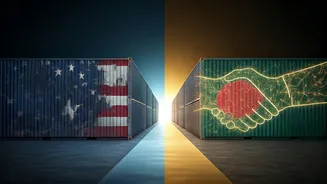
In a significant development just preceding Bangladesh's general elections, the United States has announced a reduction in its reciprocal tariff on goods
originating from Bangladesh. This adjustment, moving the rate from 20% down to 19%, signifies a step towards easing trade friction. The White House confirmed this modification in a joint statement, indicating a commitment to fostering a more balanced trade relationship. This marks a continuation of a tariff adjustment initiated last year, when the rate was initially brought down from 37% to 20%. This latest move underscores a pattern of gradual tariff easing by the US administration on Bangladeshi products.
Textile Sector Gains
A key component of this trade agreement involves enhanced provisions for Bangladesh's vital textile and apparel industry. Washington has pledged to work towards duty exemptions for specific categories of textiles and apparel. This preferential treatment is contingent upon the use of US-produced cotton and man-made fibers in the manufacturing process. The agreement outlines a mechanism whereby certain import volumes will benefit from these exemptions, directly linked to the quantity of US textile exports directed to Bangladesh. This targeted approach aims to provide substantial relief and stimulate growth within Bangladesh's garment sector, a cornerstone of its export economy, which accounts for approximately 80% of its total exports.
Broader Market Access
Beyond the textile sector, the trade pact extends to other product categories, with the US indicating its intention to identify additional goods that could qualify for a zero-percent reciprocal tariff. In return, Bangladesh has committed to offering preferential market access to a range of US industrial and agricultural products. This includes sectors such as chemicals, medical devices, auto parts, energy, and various farm products. Furthermore, Dhaka has agreed to address and remove certain non-tariff barriers that have previously limited US sales. This involves accepting vehicles that meet US regulatory standards and approving pharmaceuticals that have secured authorization from US governmental bodies, thereby paving the way for smoother import processes.
Commitment to Standards
In conjunction with facilitating market access, Bangladesh has also undertaken commitments to uphold certain international standards that are crucial for bilateral trade relations. These commitments encompass enhanced environmental protections, improved labor practices, and robust intellectual property rights safeguards. The White House has articulated that this agreement is designed to provide US and Bangladeshi exporters with unprecedented access to each other's markets. This indicates a forward-looking approach to trade, aiming to build stronger economic ties through mutual understanding and adherence to global norms.
Future Commercial Prospects
Looking ahead, the agreement anticipates a significant pipeline of future commercial deals between the two nations. The White House has projected substantial upcoming transactions, including the potential procurement of aircraft by Bangladesh. Additionally, the deal sets the stage for significant purchases of US agricultural products, valued at approximately $3.5 billion, and major energy purchases projected to reach $15 billion over the next 15 years. These anticipated commercial ventures highlight the broader economic cooperation envisioned through this trade agreement, aiming to create lasting economic partnerships and mutual prosperity.