



Understanding Dandruff's Roots
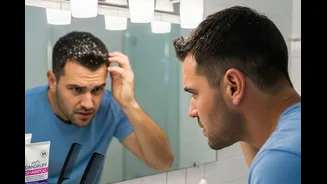
Dandruff, characterized by itchy and flaky scalp skin, is a widespread concern for many. It's often misunderstood, with popular myths suggesting drastic
measures like shaving one's head as a quick fix. However, the reality is that dandruff stems from complex interactions on the scalp, primarily a reaction to naturally occurring oils and a type of yeast known as Malassezia. This yeast, while a normal inhabitant of most adult scalps, can sometimes trigger an inflammatory response in sensitive individuals, leading to accelerated skin cell turnover. This rapid shedding results in the characteristic white flakes that can be embarrassing and uncomfortable. Factors like stress, hormonal changes, and even certain hair products can exacerbate this imbalance, making the scalp more prone to flaking. Therefore, addressing dandruff requires understanding these underlying biological processes rather than relying on superficial interventions.
The Shaving Myth Debunked
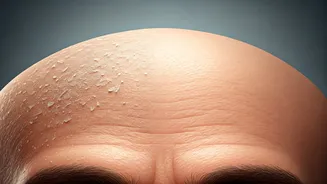
The idea that shaving your head effectively cures dandruff is a persistent myth that lacks scientific backing. While a close shave might temporarily remove visible flakes from the scalp's surface, it does absolutely nothing to tackle the root causes of dandruff. In many cases, shaving can actually worsen the condition. The act of shaving can irritate the scalp, leading to increased redness and discomfort. Furthermore, exposing the newly shaved scalp directly to environmental elements like harsh sunlight, pollution, or even friction from clothing can further compromise the skin's barrier function. This heightened sensitivity can disrupt the scalp's natural equilibrium, potentially leading to increased dryness or oiliness, both of which can fuel dandruff. Instead of providing a cure, shaving might offer a fleeting illusion of relief while potentially exacerbating the problem in the long run.
Effective Dandruff Solutions
For lasting relief from dandruff, a consistent and targeted approach to scalp care is essential. The most scientifically supported method involves the regular use of medicated shampoos specifically formulated to combat the underlying causes of dandruff. These shampoos typically contain active ingredients such as selenium sulfide, zinc pyrithione, ketoconazole, or salicylic acid, each working in different ways to control yeast overgrowth, reduce inflammation, or slow down skin cell production. Dermatologists often recommend alternating between shampoos with different active ingredients for optimal results. Beyond specialized shampoos, maintaining good scalp hygiene is crucial. This includes gently cleansing the scalp regularly, avoiding harsh hair products that can strip natural oils or cause irritation, and managing stress levels, which can significantly impact skin health. If over-the-counter solutions prove insufficient, consulting a healthcare professional or a dermatologist is the next best step, as they can provide a precise diagnosis and recommend prescription-strength treatments or topical therapies.