





A Culinary Introduction
India's cuisine is a captivating mosaic of flavors, shaped by centuries of history, diverse cultures, and a vast geographical landscape. Each region boasts
its unique culinary identity, using local ingredients and traditional cooking methods to create dishes that are both delicious and culturally significant. From the fiery curries of the South to the rich, creamy dishes of the North, Indian food offers an unparalleled gastronomic adventure. The use of spices is fundamental, not just for flavor but also for their perceived medicinal properties, reflecting a holistic approach to food and well-being. Furthermore, food plays a central role in Indian social gatherings and religious ceremonies, highlighting its importance in daily life. This section will begin our exploration into the diverse flavors of India.
Regional Flavors Explored
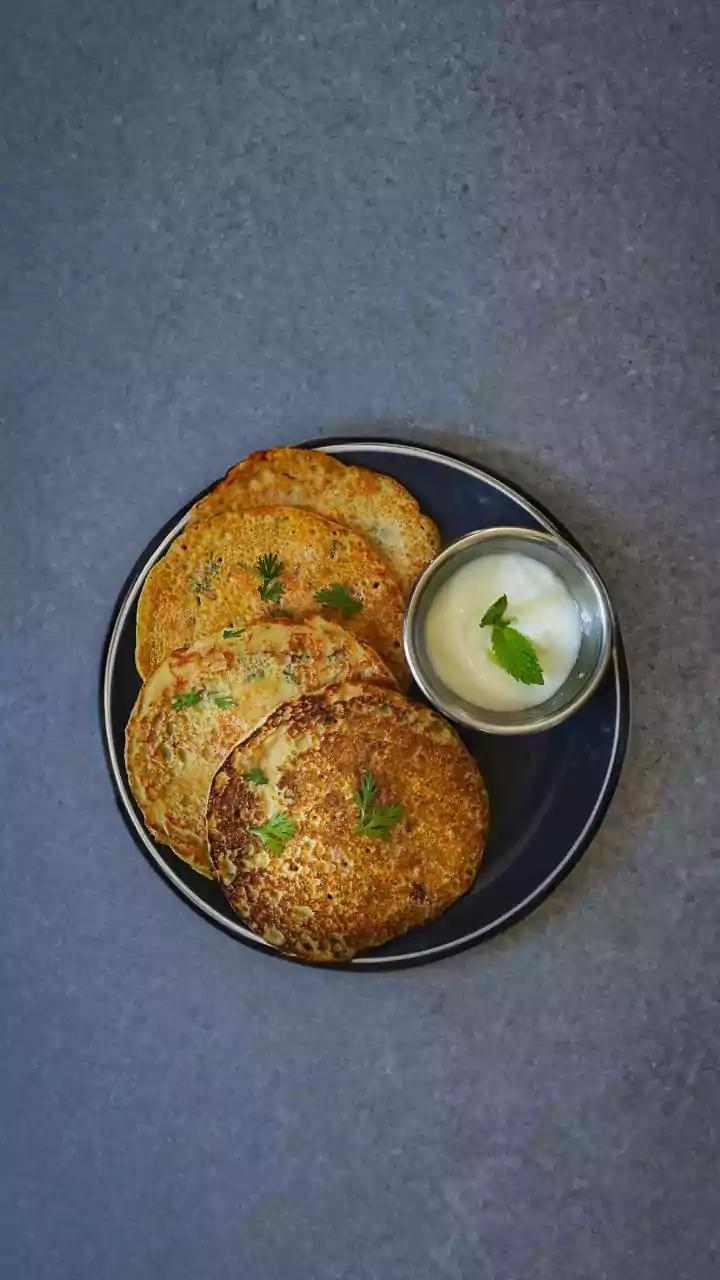
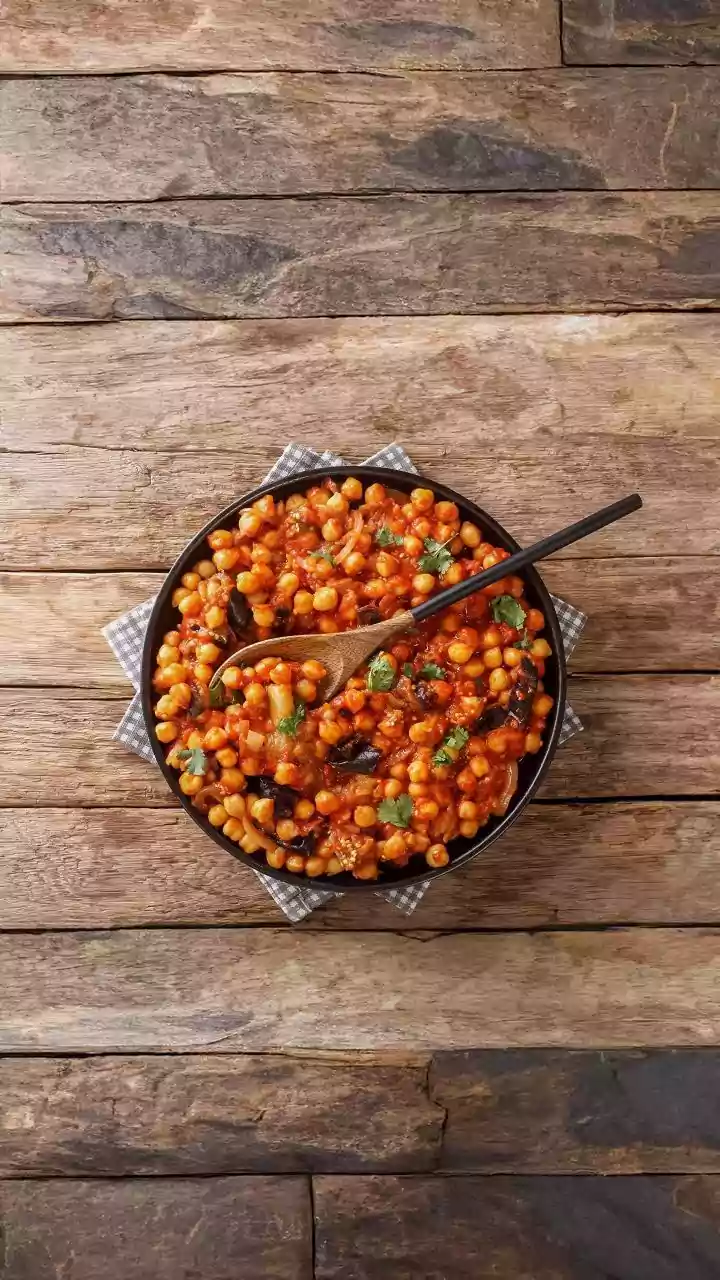
India's vastness lends itself to immense culinary diversity. Northern India is famed for its rich, creamy curries, often utilizing dairy and nuts. Think of the iconic butter chicken, a rich tomato-based dish, and the various types of breads like naan and roti, essential accompaniments to any meal. Moving south, the food becomes spicier, with dishes frequently based on rice and lentils. You’ll encounter dosas and idlis, savory pancakes and steamed cakes, often served with sambar (a lentil-based vegetable stew) and chutneys. The western coast, particularly Maharashtra and Goa, showcases seafood delicacies, reflecting the region's proximity to the Arabian Sea, with dishes such as fish curry and vindaloo. Eastern India, influenced by Bengali cuisine, features fish-based dishes, rice, and sweets like rasgulla. These are just glimpses into the vastness of flavors across India.
Cooking Techniques and Traditions
Traditional Indian cooking involves a diverse range of techniques passed down through generations. Tandoor cooking, originating from the North, utilizes a clay oven to cook meats and breads, imbuing them with a smoky flavor. The use of spices is paramount; they are often roasted, ground, and blended in varying proportions to create complex flavors. Slow cooking is a favored method, allowing flavors to meld and deepen over time, as seen in various curries and stews. Frying, both deep and shallow, is also a common practice, used to prepare snacks and side dishes. Moreover, many Indian households adhere to specific dietary restrictions and rituals. Religious influences significantly impact cooking, with certain ingredients being favored or avoided depending on the specific traditions. Preserving authenticity requires the passing down of these techniques, from generation to generation.
Spices: The Heartbeat
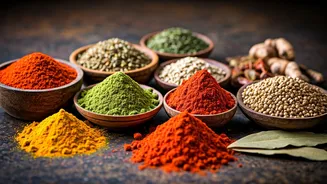
Spices are the soul of Indian cuisine, contributing not only to flavor but also to the health benefits of the food. Common spices include turmeric, known for its vibrant color and anti-inflammatory properties; cumin, offering an earthy note; coriander, providing a citrusy freshness; and cardamom, adding a sweet and aromatic touch. Chilies are extensively used, varying in heat levels, from mild to extremely spicy, depending on the region. The art of blending spices, or masala, is crucial, with each family or chef having their unique recipes. Many spices are believed to possess medicinal qualities and are often incorporated into traditional remedies. Spices are also used to create complex flavors in everything from vegetarian dishes to rich meat preparations. The careful selection and use of spices are what makes Indian food so distinctive.
Influence of Culture
Food in India transcends mere sustenance; it's a vibrant thread woven into the fabric of daily life, celebrations, and religious practices. Festivals are marked by specific dishes, often prepared with meticulous care, symbolizing prosperity and good fortune. Weddings and other important ceremonies feature elaborate feasts, showcasing the culinary expertise of the family or community. The concept of 'athithi devo bhava' or 'the guest is God' underscores the importance of hospitality, where guests are welcomed with generous food and warmth. This highlights the close link between food and social connections. Furthermore, religious beliefs have a significant impact on dietary choices, influencing what is eaten and how it is prepared, highlighting the cultural significance of food across the whole country.