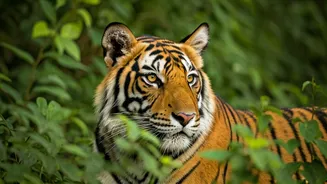

Introduction to Tiger Safaris
Embarking on a tiger safari is a thrilling experience, offering a glimpse into the life of the majestic Bengal tiger and the vibrant ecosystems they inhabit.
To increase your chances of spotting a tiger, understanding the best gates and the optimal times to visit is crucial. North India, with its diverse national parks, provides some of the best opportunities for tiger sightings. These parks meticulously manage their safari gates to ensure controlled access and minimize disruption to the animals' natural environment. Planning a safari involves selecting the right park, choosing the appropriate gate, and being aware of the timing and conditions, all of which significantly impact your experience. Some gates become more promising depending on the time of the year because of changing tiger movement patterns, habitat preferences, and the behaviour of the tiger itself.
Kanha National Park (MP)
Kanha National Park in Madhya Pradesh is a prominent tiger reserve, boasting a high tiger population and a well-managed safari infrastructure. Known for its lush sal and bamboo forests, Kanha offers various gates for entry, with the Kisli and Mukki gates being particularly popular. Kisli gate is famous because it provides easier access to the core areas where tigers are frequently sighted, making it a favourite among tourists. Mukki gate also offers excellent viewing opportunities, with its advantage being its location close to many resort accommodations, making it a convenient choice. In terms of maximizing your chances, visiting during the dry season, from November to June, is advisable as the vegetation is thinner, making tiger spotting easier. Morning and evening safaris often yield better results, as tigers are more active during cooler times of the day. Guides and drivers with in-depth knowledge of the park and its tiger population are invaluable, enhancing the overall safari experience by providing insights into tiger behaviour and tracking.
Bandhavgarh National Park (MP)
Bandhavgarh National Park, also in Madhya Pradesh, is renowned for its high density of tigers and diverse wildlife, making it a premier destination for tiger safaris. The park's main gates, Tala and Magadhi, are gateways to exceptional tiger-sighting experiences. The Tala gate is well-known for its frequent tiger sightings, including the famous 'Spotty' tigress, making it a very popular choice for many visitors. The Magadhi gate offers a slightly different terrain, with varied landscapes that support a diverse range of wildlife. To improve your chances of spotting a tiger in Bandhavgarh, plan your visit during the peak season between November and May. These months offer favourable weather conditions and enhanced visibility within the forest. Hiring experienced guides and using open-top jeeps is recommended, enabling better views and manoeuvrability. It also allows you to enjoy every moment and detail of the surroundings. Because this park has a high tiger population, the probability of seeing a tiger is very high.
Ranthambore National Park (Rajasthan)
Ranthambore National Park in Rajasthan, once the hunting ground of the Maharajas of Jaipur, is now a prominent tiger reserve offering spectacular safari experiences. The park's multiple gates, each offering unique advantages, provide diverse routes into the tiger’s domain. Gates 1 to 5, and 6 to 10, are key access points, with each having different levels of tiger activity and terrain to explore. The zones of the park are allocated daily, offering a rotating approach that lessens congestion and promotes animal well-being. To maximize the chance of encountering tigers, booking safaris well in advance is essential, especially during peak season (October to June). The best times for safaris are typically early mornings and late afternoons, when tigers are most active. Always follow the guidelines of the park and listen carefully to the guides who have expertise in identifying tiger territories and behaviours. This information will vastly increase your chances of seeing the elusive tiger.
Pench National Park (MP)
Pench National Park, straddling the states of Madhya Pradesh and Maharashtra, is well-regarded for its scenic beauty and significant tiger population. The park's Turia and Karmajhiri gates are main entry points. The Turia gate, famous for its accessibility and proximity to major accommodations, allows convenient entry for visitors. Karmajhiri is situated in a different part of the park and opens up access to different parts of the tiger habitat. To improve your chances, the ideal time to visit Pench is during the drier months, from November to June. These months offer the best weather conditions and ease of spotting wildlife. Early morning and late afternoon safaris are recommended for increased tiger activity and favourable lighting conditions. The presence of experienced guides and naturalists can also make the safari more rewarding and contribute to a deeper understanding of the park's ecology. Their knowledge is vital for tracking tigers and interpreting their behaviour, thus enriching the overall safari experience.
Corbett National Park (Uttarakhand)
Corbett National Park in Uttarakhand, India's oldest national park, is celebrated for its lush landscapes and as one of the most successful tiger reserves. The park's entry is managed through several gates, with the Dhangarhi, Bijrani, and Jhirna gates being the most popular. The Dhangarhi gate is the main entry point to the Dhikala zone, which is known for its high tiger sightings and scenic beauty. The Bijrani gate offers a more varied terrain, rich in diverse wildlife, providing an immersive experience. Jhirna is open year-round, which makes it a convenient option for tourists. For the best experience, plan your visit during the winter and summer months, from November to June, which are ideal times. The cooler weather and better visibility during the dry season make it easier to see tigers. Booking accommodations within the park, or in nearby lodges, helps in making sure that you get an early start to your safari, making it easier to increase your chance of spotting a tiger. Engaging experienced guides and maintaining a respectful approach towards the ecosystem of the park is necessary for ensuring a safe and exciting safari.