






Initial Discussions
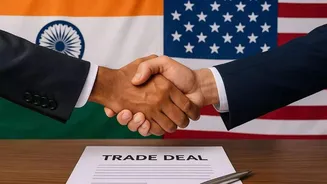
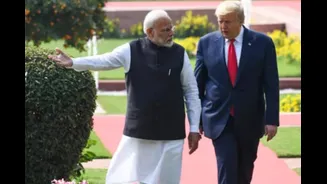
The dialogue concerning a trade agreement between India and the United States has been a recurring theme in international relations. Recent talks involved
discussions between Marco Rubio and Jaishankar. These initial meetings set the stage for deeper negotiations, identifying shared interests and potential stumbling blocks. The conversations frequently revolve around tariffs and market access for goods and services. Both nations have expressed interest in expanding their economic partnership, leading to a need for strategies that benefit both parties. The goal is often to create a win-win scenario, fostering economic growth and stability across the region. Establishing common ground through continuous communication, while challenging, is essential for progress.
Key Negotiation Areas
Several pivotal areas have emerged as central to the trade negotiations. Tariffs and trade barriers have been a primary focus, with both sides seeking to reduce or eliminate duties on specific products. Investment policies are also a key part of the talks. The US is focused on ensuring ease of business for its companies in India. India, on the other hand, wants more investment in its infrastructure and technology sectors. Another element is the protection of intellectual property rights, ensuring that companies and individuals can benefit from their innovations. A comprehensive agreement must address digital trade, setting rules for cross-border data flows and e-commerce. These various interconnected areas must be resolved effectively to realize a robust trade deal.
Benefits for India
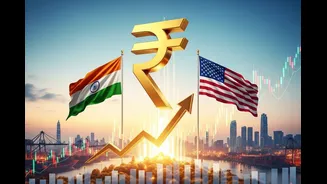
A trade deal with the US holds significant promise for India's economy. Greater access to the US market can boost exports of goods and services. A reduction in tariffs would help Indian businesses compete internationally, boosting their earnings and creating new jobs. Increased foreign investment from the US can help improve infrastructure and technology. A trade deal also signals India's growing importance in the global economy, increasing the country's influence on global trade practices. This also helps India solidify itself in the international stage. These economic benefits play an important role in driving India's sustained economic growth.
Benefits for US
The United States also stands to gain substantially from a successful trade agreement. Access to India's vast and rapidly growing market would offer numerous opportunities for American companies. An increase in US exports could provide a boost to various industries, from manufacturing to technology. Furthermore, a trade deal has the potential to strengthen the strategic partnership between the US and India, aligning their interests on the international stage. This could lead to a stable trading relationship, reducing risks in global supply chains. A strong trade partnership would also increase the geopolitical influence of the US.
Challenges and Hurdles
Despite the potential benefits, numerous challenges and obstacles could impede the progress of these trade negotiations. Disagreements over tariffs and market access are frequent hurdles. The US may seek stricter standards for labor practices, while India could be reluctant to adopt them due to their potential economic impact. Negotiations concerning intellectual property rights could prove tough, as both countries have different viewpoints regarding the enforcement of these rights. The two nations need to navigate complex geopolitical landscapes, including regional issues. Any deal must accommodate these challenges to be successful. Overcoming these hurdles requires compromise and flexibility from both sides, as well as a dedication to finding common ground.
Outlook and Future
The outlook for a US-India trade deal is marked by hope and uncertainty. The willingness of both governments to engage in negotiations suggests a strong desire for a successful outcome. The timeline for completion remains unclear, and the outcome will depend on the progress made in addressing the key issues. The future may include a phased approach, with initial agreements targeting specific sectors. Success will mean closer economic ties, boosting growth and cooperation. Ongoing discussions and diplomatic efforts will be critical. The ultimate goal is to create a stronger and more resilient economic partnership between India and the United States.