







A Presidential Desire
The saga began when Donald Trump, during his presidency, expressed interest in buying Greenland from Denmark. The idea, initially met with surprise and amusement,
soon triggered a wave of serious discussions about geopolitical strategies and international relations. Trump reportedly floated the notion to his advisors, who were taken aback by the unusual proposal. This interest highlighted the president's unique approach to diplomacy and his penchant for making unconventional moves. Despite the proposal not being taken seriously by the Danish government, the mere suggestion stirred significant commentary and criticism, pointing to potential implications of such a move. The White House post, subtly referencing this past aspiration, acted as a catalyst, sparking further scrutiny into the motives and implications behind this seemingly outlandish proposition. His intentions, as seen by many, went beyond mere real estate speculation, hinting at the broader strategic interests in the Arctic region.
Reactions and Responses
When the news of Trump's interest broke out, the reactions were varied and intense. Danish officials swiftly dismissed the idea, calling it absurd and indicating that Greenland was not for sale. The Greenlandic government similarly rebuffed the offer, stressing the importance of their autonomy. International commentators weighed in with a mix of disbelief, satire, and worry. Some saw it as a bizarre example of Trump's deal-making approach, while others voiced their concerns over the implications for Arctic geopolitics. Critics highlighted the strategic importance of Greenland, given its location between North America and Europe, and pointed out the potential for military and economic advantages for the United States if such an acquisition were to take place. The swift and resolute rejection by Denmark and Greenland demonstrated their commitment to national sovereignty and their understanding of the sensitive implications attached to such a proposition.
Geopolitical Significance
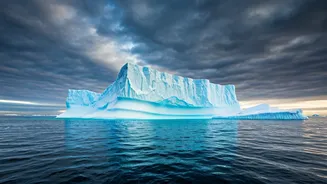
Greenland's strategic location in the Arctic is of paramount importance. The vast island sits between the North American and European continents, making it a pivotal area for both military and commercial activities. Acquiring Greenland would have given the United States a significant advantage in the Arctic region. This region is growing in importance due to climate change, opening up new shipping routes and exposing vast natural resources. Some analysts suggest that this was Trump's underlying interest, possibly motivated by strategic defense considerations. Greenland's resources, including minerals and other natural elements, further fuel the interest in the region. The desire to control the island stems from the broader trend of nations seeking to strengthen their foothold in the Arctic, a region that is undergoing a substantial transformation.
White House Post's Impact
The recent White House post that subtly alluded to Trump's past proposal has re-ignited the controversy and drew attention back to the issue. The post's intention might have been a simple nod to a past event. However, it triggered a renewed conversation among analysts and commentators. The post serves as a reminder of Trump's foreign policy approaches, which were often characterized by unusual and unconventional ideas. It also highlighted the fact that he was willing to consider such a bold move. The post, therefore, is being viewed as a reminder of how the U.S. might engage with international issues. It also reignited the conversation regarding the strategic interests in the Arctic, and its potential implications on the global stage. It highlights the importance of the situation, especially given the ongoing geopolitical shifts.
Future Implications Unveiled
The implications of Trump's interest in Greenland extend beyond a single, unrealized purchase deal. They suggest an underlying strategy of a changing world order. The White House post has prompted experts to examine the possible motivations and the long-term impact on international relations. It might imply a renewed focus on the Arctic region. This focus is primarily driven by strategic resources and the opening up of trade routes. The discussion over Greenland's potential acquisition touches upon larger themes of national sovereignty, territorial integrity, and the future of global power dynamics. The situation highlights the complexity of international relations, especially in an era of rapid geopolitical change, where unconventional ideas and actions can have lasting consequences.