
Market Power Dynamics
India's economic landscape is a significant player in the global arena, and its domestic market is substantial. This market power potentially provides
a degree of influence that could be strategically employed in negotiations. However, the exact extent of this leverage requires a thorough examination of several factors. One crucial aspect is understanding the relative economic interdependence between India and China. While India's market offers opportunities, China also possesses considerable economic resources and alternative trade routes. The success of leveraging market power also relies on the strategic application of various economic tools, such as trade policies, investment regulations, and supply chain management. These instruments require careful calibration to maximize impact while mitigating potential risks to India's own economic interests. Ultimately, the efficacy of using market power as a bargaining chip hinges on a delicate balance of economic strength, strategic foresight, and political will.
Expert Assessments Unveiled
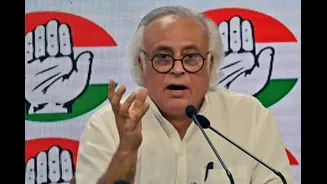
Analyzing expert opinions provides invaluable insights into the feasibility and implications of India leveraging its market power during border talks. These experts bring a multifaceted perspective, considering geopolitical dynamics, economic realities, and historical precedents. Some experts express cautious optimism, highlighting the potential for India to create economic pressure on China by altering trade flows and investment patterns. Conversely, other experts are more skeptical, pointing out that China's economic robustness and global connections could cushion the blow from any actions taken by India. Furthermore, experts often deliberate on the risks associated with such strategies. For instance, any attempts to exert economic pressure might inadvertently affect India's own economy. Discussions amongst experts commonly highlight the need for a nuanced strategy. This should involve carefully targeted measures, diplomatic efforts, and effective communication to maximize influence without causing unintended consequences. These expert assessments collectively shape the narrative, offering a comprehensive understanding of the complexities and potential outcomes.
Leveraging Trade Relationships
Trade relationships serve as a crucial component of India's potential leverage in border negotiations. By carefully managing its trade relations, India can create economic pressure. This can be achieved through various means, including adjustments to import duties, the imposition of non-tariff barriers, or redirecting trade flows away from China. However, it's essential to recognize that China is a key trading partner for many countries. This implies that any such moves must be carefully planned to avoid diplomatic isolation or retaliatory measures from China. India can also diversify its trade relationships, reducing its dependence on China and boosting its economic resilience. India could strengthen trade ties with other nations. These countries can serve as alternative markets and sources of goods, giving India more flexibility during negotiations. Trade negotiations require careful consideration of the long-term impact on both economies involved. India's actions must be measured and strategic to achieve desired outcomes while maintaining stability and fostering economic growth.
Investment Strategies Examined
Investment strategies form an integral aspect of India's potential leverage. By adjusting its investment policies, India can exert pressure on China. This can be done by scrutinizing Chinese investments in India, introducing new regulations, or promoting investment in sectors where China has a significant presence. Moreover, India can encourage greater domestic and foreign investment in key sectors, reducing its reliance on Chinese investments and fostering economic independence. This proactive approach can enhance India's economic resilience, offering more bargaining power. However, investment decisions must be made carefully to preserve a positive investment climate and prevent unintended consequences. India must strike a balance between safeguarding its strategic interests and supporting economic growth. It should assess the long-term implications of investment policies. India must weigh these impacts carefully, aiming to strengthen its economic position while maintaining a stable investment environment.
Challenges and Risks Faced
Implementing a strategy of leveraging market power during border talks presents several challenges and risks. One significant hurdle is the potential for economic retaliation from China, which could significantly impact India's economy. Chinese countermeasures might involve trade restrictions, investment limitations, or diplomatic pressure, all of which could destabilize India's economic growth and international relationships. Navigating global economic dependencies poses another significant challenge. Many global supply chains rely on China, making it difficult for India to decouple its economy without facing significant disruptions and costs. Furthermore, there's always the risk of unintended consequences, such as damage to domestic industries or increased inflation. To mitigate these risks, India needs a comprehensive strategy that includes robust risk assessments, contingency plans, and strategic diversification of its economic relationships. This approach requires careful planning, effective execution, and continuous monitoring to manage potential pitfalls and maximize the potential benefits of the strategy.
Diplomacy and Communication
Diplomacy and communication play vital roles in the effectiveness of using market power as leverage. A successful strategy requires a delicate balance of economic pressure and diplomatic efforts. India must clearly communicate its objectives and expectations to China, using a combination of formal diplomatic channels, multilateral forums, and public statements. Effective communication can help to manage expectations, prevent misunderstandings, and foster an environment conducive to negotiation. Diplomacy can act as a crucial complement to economic measures. It helps to ensure that economic actions are aligned with broader strategic goals. Furthermore, India can leverage international alliances and partnerships to strengthen its position during border talks. This might involve coordinating with like-minded countries, sharing intelligence, and building consensus on key issues. By employing a comprehensive approach that includes both economic and diplomatic tools, India can enhance its leverage and increase the likelihood of a favorable outcome in border negotiations. This requires strategic foresight, strong diplomatic skills, and the ability to navigate complex international dynamics.
Future Implications Considered
The long-term implications of leveraging market power in border talks are significant, impacting India's economic and geopolitical standing. Successfully employing such a strategy could reinforce India's position as a major player in the global economy, demonstrating its ability to defend its interests and navigate complex international challenges. This can attract foreign investment, boost economic growth, and enhance India's overall influence. Conversely, if the strategy fails, it could result in economic setbacks, damage diplomatic relations, and undermine India's credibility. It is crucial for India to carefully assess the potential outcomes and mitigate risks. The success or failure of the strategy will also shape India's relationships with other countries. India needs to foster strategic partnerships with nations who share its interests. These alliances can provide support, resources, and diplomatic leverage. By carefully planning and executing its strategy, India can harness its market power to advance its interests and secure a more favorable future in its interactions with China.