


The Boycott Reversal
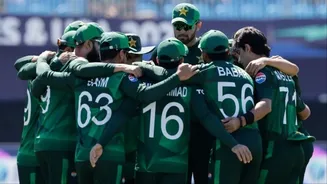
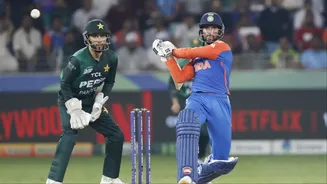
Initially, Pakistan was slated to boycott their T20 World Cup group match against India, scheduled for February 15th. This stance was adopted by the Pakistani
government in solidarity with Bangladesh, who had been disqualified from the tournament by the International Cricket Council (ICC). However, a complex series of discussions involving Pakistan, Bangladesh, the ICC, and other cricket boards, including those from the UAE and Sri Lanka, culminated in a significant policy change. By Monday, Pakistan had officially confirmed a complete reversal of their earlier decision, paving the way for the much-anticipated clash with their arch-rivals. This dramatic shift followed weeks of uncertainty and diplomatic engagements aimed at finding a resolution that would allow Pakistan to compete in the tournament as planned.
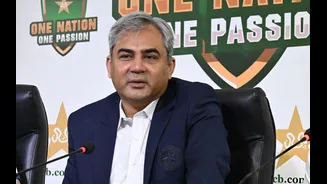
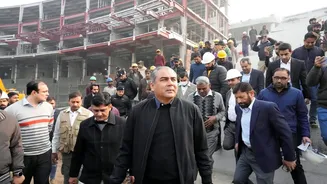
Naqvi's Press Conference
Just before the official announcement of the U-turn, PCB Chairman Mohsin Naqvi found himself at a Pakistan Super League (PSL) press conference, facing pointed questions about the team's initial boycott strategy. Following the conclusion of the formal press conference, Naqvi was approached by an interviewer eager to gain insight into the internal deliberations and the exact nature of Pakistan's position. During this informal exchange, Naqvi implicitly confirmed the impending change in stance. When questioned about whether Pakistan had secured any specific advantages or concessions for themselves during the negotiations with the ICC, Naqvi responded with the phrase, "Apne liye kuch nahi kiya," meaning "I didn't do anything for myself." This statement suggested that Pakistan's actions were primarily driven by external factors or agreements rather than direct personal gain.
Diplomatic Exchanges
The conversation continued with Naqvi hinting at the imminent resolution, stating, "Bas ab thodi der mein faisla ho jayega," or "A decision will be made in just a little while." When pressed by the interviewer about whether good news was on the horizon, Naqvi expressed optimism, saying, "Hum to har waqt acchi khabar hi dete hain," or "We always provide good news." He then elaborated on the pivotal role of Bangladesh, highlighting their request for Pakistan to play the match. "You must have seen Bangladesh's statement. Bangladesh has requested that Pakistan play the match. Clearly, their issues have been resolved; that is why they made this request." This revealed that the primary impetus for Pakistan's participation stemmed from the resolution of Bangladesh's own tournament-related concerns, rather than any demands made by Pakistan itself. Naqvi reiterated, "We took a stand for Bangladesh. It was their matter. We didn't do anything for ourselves," underscoring the solidarity-based nature of their initial boycott threat.
ICC's Official Stance
Following the conclusion of the prolonged period of tension and speculation, the ICC released an official statement to formally end the drama surrounding Pakistan's participation. The governing body's statement emphasized the importance of maintaining the integrity and success of the ongoing ICC Men's T20 World Cup. It stated, "In that prevailing spirit, it was agreed that all members will respect their commitments as per the terms of participation for ICC events and do all that is necessary to ensure that the ongoing edition of the ICC Men's T20 World Cup is a success." Furthermore, it was understood that the ICC had declined a total of three specific demands put forth by the PCB. One of these rejected proposals reportedly included the resumption of bilateral cricket series between Pakistan and India, a long-standing desire for both nations' cricket boards and fans.