






Mindful Eating Habits
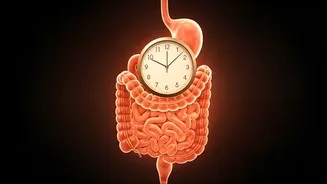
The pace at which you consume your meals significantly impacts your digestive comfort and waistline. It takes approximately twenty minutes for your body
to register feelings of fullness, meaning individuals who eat quickly often ingest more food than necessary before this signal is sent to the brain. Furthermore, rapid eating can lead to an increased intake of air, a common culprit behind bloating and abdominal discomfort. To mitigate these effects, it's highly recommended to slow down your eating process and dedicate more time to thoroughly chewing each mouthful of food. This practice not only aids digestion but also promotes better satiety awareness, preventing overconsumption and the associated puffiness.
Boost Gut Health
Digestive sluggishness can manifest as a persistent feeling of fullness and an expanded midsection. To combat constipation and promote regular bowel movements, which are crucial for a flatter stomach, focus on incorporating more fiber-rich foods into your diet. Fruits and vegetables are excellent sources of dietary fiber, aiding in the smooth passage of food through your digestive tract. Alongside increased fiber intake, ensuring adequate hydration by drinking plenty of water is equally vital. Water helps soften stool, making it easier to pass and preventing the discomfort and bloating associated with a backed-up system. Prioritizing these elements supports overall gut health and contributes to a lighter, more comfortable feeling.
Rethink Salt Intake
Consuming excessive amounts of salt can trick your body into retaining more water than it needs. This physiological response is an attempt to dilute the high sodium concentration in your bloodstream. The consequence is a temporary increase in body weight and noticeable bloating, particularly around the abdominal area. To counteract this, it's advisable to significantly reduce your consumption of highly processed foods. Items like packaged snacks, salty condiments, and convenience meals are often laden with hidden sodium. By actively choosing fresh, whole foods and limiting processed options, you can help your body regulate its fluid balance and reduce water retention-induced puffiness.
Address Food Sensitivities
For some individuals, certain foods can trigger unpleasant digestive reactions, leading to bloating and a feeling of heaviness. Dairy intolerance is a common example where the body struggles to properly digest lactose, a sugar found in milk and dairy products. This can result in significant bloating and water retention, particularly in the abdominal region. If you suspect dairy might be an issue for you, consider reducing or avoiding certain dairy items. This includes soft cheeses like brie and ricotta, as well as creamy products such as ice cream and whipped cream, which tend to be higher in lactose. Identifying and managing these sensitivities can bring substantial relief and contribute to a flatter-looking belly.
Post-Meal Movement
The habit of sitting or lying down immediately after finishing a meal can hinder your progress towards a flatter stomach. Engaging in physical activity, even light movement, plays a crucial role in effective digestion. Remaining sedentary post-meal can slow down the digestive process, potentially encouraging the body to store more fat and contributing to bloating. Incorporating a short walk or gentle activity after you eat can significantly improve how your body processes food. This proactive approach supports a more efficient digestive system, reduces the likelihood of discomfort, and aids in achieving your goal of a less distended abdomen.